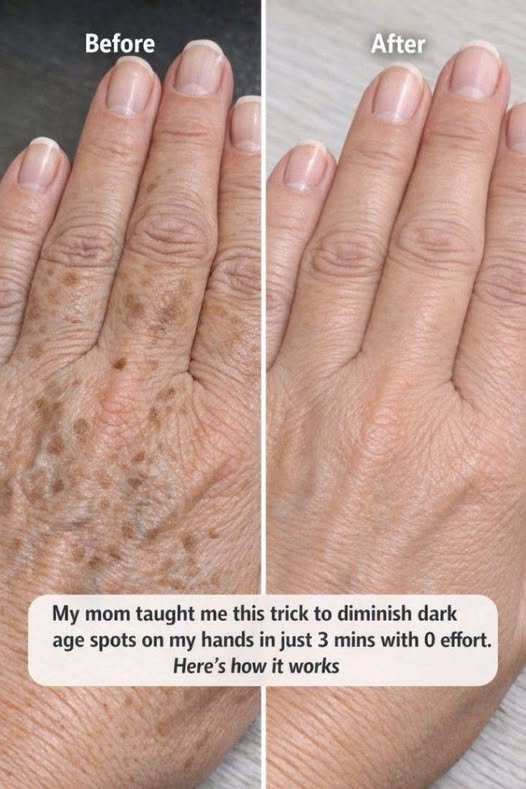
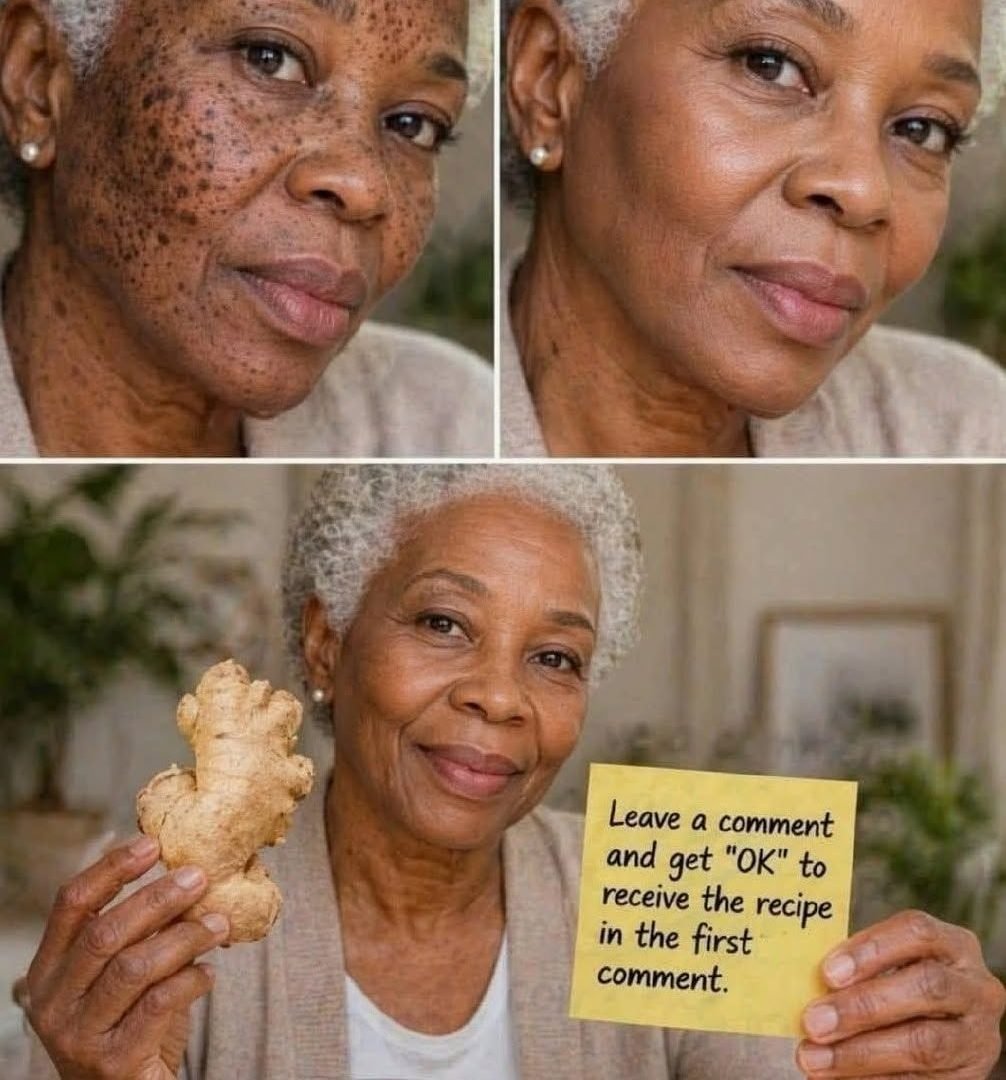
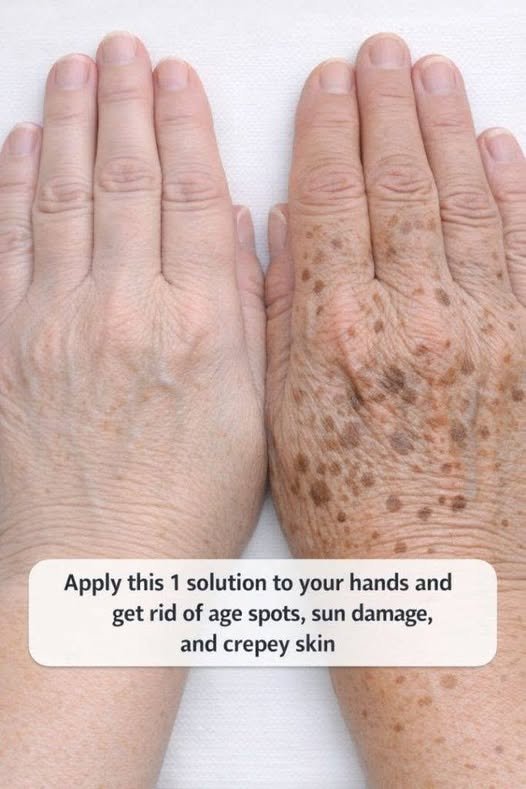
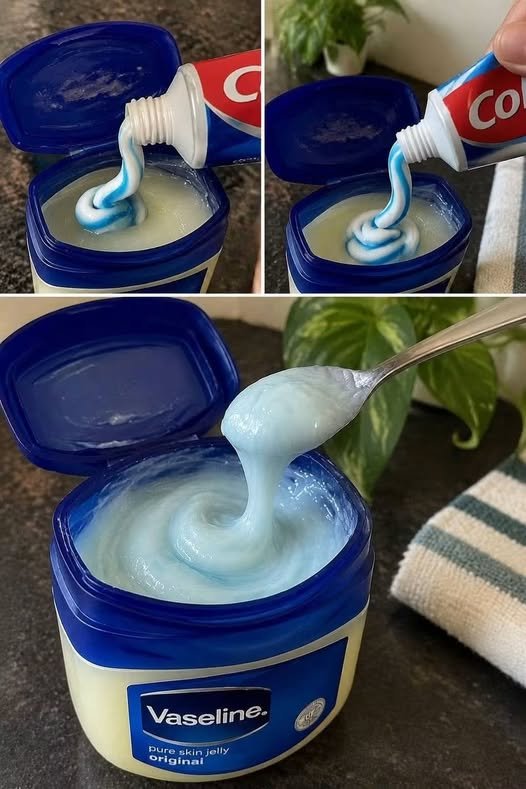
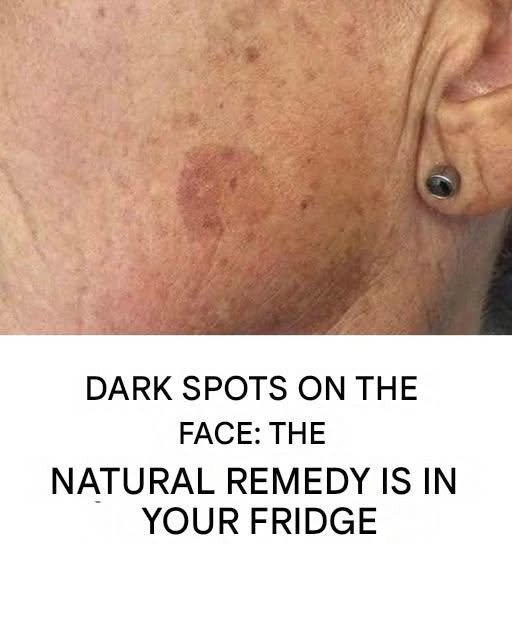
A viral post is making the rounds on social media, promising a miracle cure for the brown spots that appear on the backs of our hands as we age. The formula is familiar: a heartwarming origin story (“My mom taught me this trick”), an impossibly fast timeline (“in just 3 mins”), a promise of “0 effort,” and a dramatic before-and-after photo. The implication is that a simple, homemade paste can wipe away years of sun damage in the time it takes to brew a cup of tea.
The post taps into a genuine and widespread concern. Age spots, medically known as solar lentigines, are a nearly universal cosmetic issue. They can make us feel self-conscious and serve as a visible reminder of the passage of time and the cumulative effects of sun exposure. The idea that a quick, inexpensive kitchen remedy could erase them is understandably attractive.
However, the gap between a viral promise and biological reality is vast. The science of skin pigmentation does not operate on a three-minute timeline. While the specific ingredients in these viral recipes vary—often calling for lemon juice and baking soda—the core claim remains the same: that a superficial application can somehow neutralize or remove deeply set pigment. This is not how the skin works.
This comprehensive guide will dissect the viral “3-minute trick,” explain what age spots actually are at a cellular level, explore why these fast-fix claims are misleading and potentially dangerous, and detail the evidence-based treatments that dermatologists use to actually fade or remove solar lentigines. We will also cover how to prevent new spots from forming and, most importantly, when a “dark spot” is more than just a cosmetic issue.
What Are Age Spots, Really? Understanding Solar Lentigines
Before evaluating any treatment, it is essential to understand the target. The brown spots commonly called age spots, liver spots, or sunspots are technically known as solar lentigines (singular: solar lentigo). Despite the colloquial name “age spot,” these lesions are not caused by age itself. They are the direct result of chronic exposure to ultraviolet (UV) radiation from the sun or tanning beds over many years.
The Cellular Mechanism of a Sun Spot
To understand why a three-minute paste cannot erase a solar lentigo, you have to look at the skin’s structure. The skin is composed of layers, and the relevant layer here is the epidermis, the outermost layer. Within the basal layer of the epidermis reside specialized cells called melanocytes. The job of melanocytes is to produce melanin, the pigment that gives skin its color and provides a natural defense against UV radiation.
When your skin is exposed to UV light, melanocytes are stimulated to produce more melanin. This is what causes a tan. However, with repeated, cumulative exposure over decades, this process can become dysregulated. In the areas that become solar lentigines, melanocytes do not just produce more pigment; they proliferate, meaning their numbers increase locally. The result is a well-defined, flat patch of skin where melanin is concentrated, creating the brown spot you see in the mirror.
Why Age Spots Are Permanent (Without Intervention)
Crucially, a solar lentigo is not a surface stain that can be scrubbed away. The excess pigment is housed within living cells in the epidermis. The spot is a structural change in the skin. A superficial application of a household ingredient, left on for three minutes, cannot penetrate deeply enough to alter the behavior of these melanocytes, nor can it dissolve or remove the pigment that is already there. As the Mayo Clinic notes, unlike freckles, which can fade with no sun exposure, age spots do not fade on their own. This is why dermatologists emphasize that true removal requires modalities that either destroy the pigment-containing cells or interrupt the pigment production process over time.
Are Age Spots Dangerous?
For the vast majority of people, solar lentigines are completely benign and harmless. They do not itch, bleed, or cause pain. However, they are more than just a cosmetic nuisance. Dermatologists view them as a marker of cumulative sun damage. The presence of numerous solar lentigines indicates that your skin has sustained significant UV exposure, which also increases your risk for skin cancer.
Furthermore, a small percentage of dark spots that appear to be benign age spots can actually be early-stage skin cancers, such as lentigo maligna (a precursor to melanoma) or pigmented basal cell carcinoma. Therefore, any new or changing spot should be evaluated by a professional, especially if it has irregular borders, uneven color, or is evolving.
The Anatomy of the Viral “3-Minute Trick”
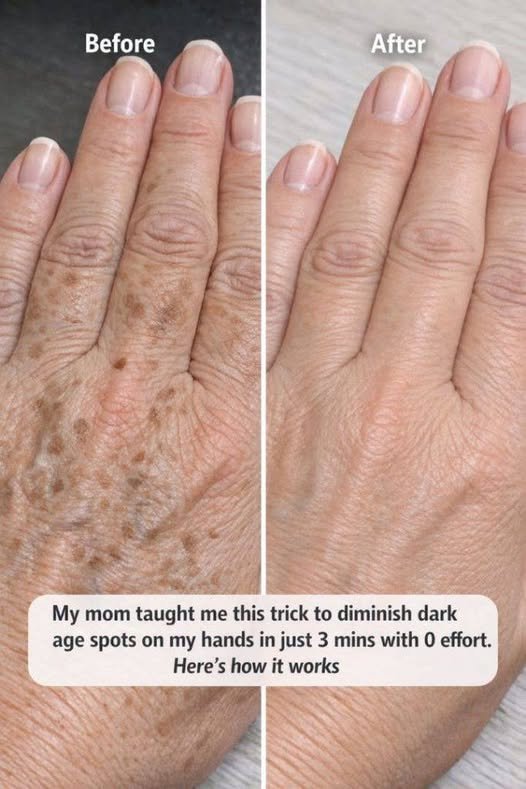
The post in question follows a well-established template for social media engagement. The caption reads, “My mom taught me this trick to diminish dark age spots on my hands in just 3 mins with 0 effort. Here’s how it works.” The accompanying article, typically found on content farms, describes applying a “paste” to the hands, leaving it for three minutes, and rinsing it off.
The “Logic” Behind the Recipe
The recipe promoted in these viral posts typically calls for lemon juice and baking soda. The rationale provided usually sounds plausible to a layperson. Lemon juice contains citric acid, a mild alpha-hydroxy acid (AHA) that is used in some cosmetic products to promote exfoliation. Baking soda is a mild abrasive. The combination is purported to create a fizzing reaction that “lifts” the pigment from the skin.
The “zero effort” claim is also part of the appeal. It suggests that you do not need to invest in expensive creams, consult a doctor, or endure painful procedures. The three-minute timeframe is the ultimate hook, promising instant gratification in a world accustomed to on-demand results.
The Scientific Reality: Why the Trick Cannot Work
While lemon juice and baking soda have their place in cleaning, they are not a scientifically valid treatment for solar lentigines. Here is why the “logic” falls apart:
Penetration is Insufficient: The pigment in a solar lentigo is located in the basal layer of the epidermis, and the melanocytes themselves are proliferating. A three-minute application of a water-based paste cannot penetrate deeply enough to reach these cells. Cosmetic AHAs used in chemical peels require carefully controlled concentrations and pH levels to penetrate effectively, and even then, they are applied by professionals and left on for specific, protocol-driven durations.
No “Lifting” Mechanism: There is no chemical reaction between lemon juice and baking soda that can “lift” melanin out of living cells. The fizzing is simply the result of an acid-base reaction producing carbon dioxide gas. It is a superficial phenomenon that has no effect on pigmentation.
The Risk of Irritation and Burns: This is the most serious concern. Lemon juice is highly acidic and can disrupt the skin’s natural protective barrier. In sensitive individuals, it may cause redness, burning, itching, and peeling. More alarmingly, lemon juice can trigger phytophotodermatitis, a condition where the skin becomes hypersensitive to sunlight, leading to severe burns, blistering, and more hyperpigmentation. Baking soda, being alkaline, can strip the skin of its protective barrier, leaving it vulnerable to the damaging effects of UV rays. The result of this “trick” is far more likely to be red, irritated, and possibly newly darkened skin than a faded age spot.
The Illusion of the Before-and-After Photo: The dramatic results shown in these posts are often the result of lighting, filters, or simply the temporary redness and swelling caused by the irritating paste, which can make the surrounding skin look temporarily flushed and the spots appear slightly less prominent. Any perceived improvement is transient and not a true reduction in pigmentation.
What the Evidence Actually Says: Proven Treatments for Solar Lentigines
If a three-minute kitchen paste cannot work, what does? Dermatology offers several evidence-based approaches to fade or remove solar lentigines. The choice of treatment depends on the number, size, and location of the spots, as well as your skin type and personal preferences. It is important to note that these treatments are considered elective and cosmetic, as solar lentigines are benign.
Topical Prescription Treatments
For individuals who prefer a gradual approach or have many spots over a broad area, topical treatments are an option. A common prescription approach involves applying hydroquinone, a bleaching agent, either alone or in combination with a retinoid (like tretinoin) and a mild steroid. These treatments can gradually fade the spots over several months, but they require consistency and can cause temporary itching, redness, burning, or dryness. They are not a “three-minute” fix.
Procedural Treatments: The Gold Standard
For faster, more targeted results, dermatologists turn to in-office procedures. These are the treatments that actually address the pigment-containing cells directly.
Cryotherapy
Cryotherapy involves applying liquid nitrogen to the age spot to freeze and destroy the pigment-containing cells. The treated area then forms a small scab or blister that flakes off within days, taking the pigment with it. A systematic review found cryotherapy to be effective, with success rates ranging from 37% to 71.4%. It is a quick, relatively inexpensive option for isolated, well-defined spots. However, it carries a risk of temporary or permanent lightening of the skin (hypopigmentation) and, in some cases, scarring.
Laser and Light Therapies
Laser treatments are generally considered the most effective modality for removing solar lentigines. They work by delivering precise wavelengths of light energy that are absorbed by melanin, breaking the pigment into smaller particles that are then cleared by the body’s immune system.
Intense Pulsed Light (IPL): IPL is not a true laser but a broad-spectrum light source. It is excellent for treating larger areas with multiple spots. The systematic review reported success rates of 74.6% to 90% for IPL.
Q-Switched Lasers: These lasers deliver very short, high-energy pulses that shatter pigment. Success rates range from 36% to 76%.
Picosecond Lasers: A newer generation of lasers that deliver even shorter pulses, potentially breaking down pigment more effectively with less heat damage. Reported success rates are high, ranging from 68% to 93%.
Fractional Lasers (e.g., CO2): These lasers create microscopic columns of damage in the skin, stimulating collagen production and turnover, which can help improve pigmentation and overall skin texture. Their success rate for solar lentigines specifically is lower, around 8% to 23%, but they are often used for broader photoaging.
Laser treatments are performed by dermatologists, may require multiple sessions, and involve some downtime for redness and peeling. They are also associated with a risk of post-inflammatory hyperpigmentation (PIH), particularly in darker skin tones, although pulsed dye and IPL lasers are less associated with this risk.
Chemical Peels
Chemical peels involve applying a chemical solution—such as trichloroacetic acid (TCA) or glycolic acid—to exfoliate the outer layers of the skin. This removes the pigmented cells and reveals fresher, less-pigmented skin underneath. The systematic review found that TCA peels achieved success rates of 12% to 46%. Peels are often used in a series and can be combined with other treatments for enhanced results.
The Crucial Role of Prevention: Sunscreen Is Non-Negotiable
No treatment, whether a prescription cream or a laser, will be effective in the long term if you continue to expose your skin to UV radiation. The single most important step in managing solar lentigines is rigorous sun protection. The Mayo Clinic recommends applying a broad-spectrum sunscreen with an SPF of at least 30 fifteen to thirty minutes before going outdoors, and avoiding the sun during peak intensity hours (10 a.m. to 2 p.m.).
For the hands, which are constantly exposed while driving, working, and recreating, this is especially critical. Reapply sunscreen after washing your hands or spending extended time outdoors. Wearing protective clothing, such as long sleeves and gloves, can also help. Prevention is particularly important because new solar lentigines will continue to form if the skin is exposed to UV light. Furthermore, protecting your skin from the sun reduces your overall risk of skin cancer, a benefit that far outweighs any cosmetic concern.
Conclusion: Moving Beyond the Viral Fantasy to Real Solutions
The viral “3-minute trick” for age spots is a fantasy wrapped in a heartwarming story. It promises a quick, effortless solution to a complex biological process, but it cannot deliver. Solar lentigines are not surface stains; they are areas of skin where melanocytes have proliferated in response to years of sun exposure. A three-minute application of lemon juice and baking soda cannot penetrate deeply enough to alter these cells, and it carries a real risk of causing irritation, chemical burns, and even worsened pigmentation due to phytophotodermatitis.
The real solutions for solar lentigines are grounded in dermatological science. They include consistent use of prescription topical agents, in-office procedures like cryotherapy, chemical peels, and laser therapies, and, most importantly, unwavering commitment to sun protection. These approaches require time, professional guidance, and often financial investment, but they are the only methods with evidence to support their efficacy.
If you are bothered by dark spots on your hands, the most sensible course of action is to consult a board-certified dermatologist. They can accurately diagnose your spots, rule out anything dangerous, and recommend a treatment plan tailored to your skin type and goals. While it may not happen in three minutes, achieving clearer, healthier-looking skin is entirely possible when you move beyond internet myths and embrace proven care.
Frequently Asked Questions
Can a 3-minute lemon and baking soda paste really remove age spots?
No. There is no scientific evidence that this or any similar homemade paste can remove solar lentigines in three minutes. The pigment is located in living cells within the epidermis. A short application of a superficial paste cannot penetrate deeply enough to affect these cells. Furthermore, lemon juice and baking soda can irritate the skin and cause chemical burns, which may lead to more hyperpigmentation.
What are the best treatments for age spots on the hands?
The most effective treatments are performed by dermatologists and include laser therapies (such as Q-switched, picosecond, or IPL), cryotherapy (freezing with liquid nitrogen), and chemical peels. Prescription topical treatments containing ingredients like hydroquinone or tretinoin can also be effective over time. The best option depends on your individual skin type and the characteristics of the spots.
Are age spots a sign of skin cancer?
Most solar lentigines are benign and not a sign of skin cancer. However, they indicate that your skin has sustained significant sun damage, which increases your overall risk. It is important to monitor your spots and have a dermatologist evaluate any that are black, increasing in size, have an irregular border, have an unusual combination of colors, or are bleeding.
How can I prevent new age spots from forming?
The most important preventive measure is daily use of a broad-spectrum sunscreen with an SPF of 30 or higher. Apply it generously to your hands and any other exposed skin, and reapply after washing your hands or spending time outdoors. Wearing protective clothing, such as gloves and long sleeves, can also help.
Do over-the-counter creams work for age spots?
Some over-the-counter products containing ingredients like vitamin C, retinoids, or alpha-hydroxy acids can help to gradually fade pigmentation. However, they are generally less effective than prescription-strength treatments or in-office procedures and require consistent, long-term use.
Why do age spots appear on the hands first?
The hands are one of the most frequently exposed parts of the body to the sun. We use them for driving, working, and countless daily activities, often without applying or reapplying sunscreen. This cumulative, unprotected exposure makes the hands a prime location for solar lentigines to develop.
When should I see a dermatologist about a dark spot?
You should see a dermatologist for any new, changing, or unusual dark spot. Warning signs include asymmetry, irregular borders, uneven color, a diameter larger than a pencil eraser, or any spot that itches, bleeds, or evolves over time. A professional evaluation can provide peace of mind and rule out serious conditions.