First Symptom of Diabetes: What Your Blood Sugar, Toenails, and Legs Are Trying to Tell You
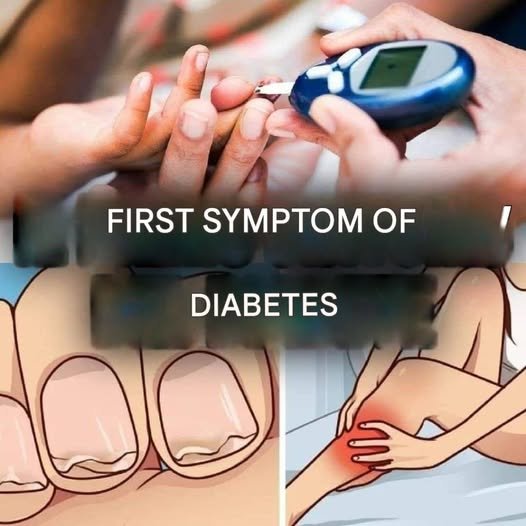
Diabetes is often referred to as a silent disease. In its early stages, it can develop quietly over months or even years, producing symptoms that are so subtle they are frequently dismissed as normal signs of aging or the result of a busy lifestyle. However, the human body is a highly sensitive biological machine. When the delicate balance of blood sugar and insulin begins to fail, the body broadcasts a series of warning signals. The image before us captures three distinct, critical visual elements that can be among the very first symptoms of diabetes: the monitoring of blood glucose, the appearance of the toenails, and the sensation of pain or discomfort in the legs.
For millions of people worldwide, these three images represent the exact moment their lives changed. They represent the realization that a routine check-up, a stubborn foot infection, or an unexplained ache in the leg was actually the body’s desperate cry for help. Understanding these symptoms is not just about general health awareness; it is about early detection, which is the single most effective way to prevent the devastating complications of diabetes, including nerve damage, kidney failure, vision loss, and cardiovascular disease.
This comprehensive guide will explore the profound connection between blood sugar and the health of your extremities. We will decode the visual warning signs shown in the image, explain the underlying physiological mechanisms that cause these changes, and provide a complete roadmap for recognizing the early symptoms of diabetes. By the end of this article, you will understand exactly what your blood sugar, toes, and legs are trying to tell you.
The Silent Progression: Understanding the Onset of Diabetes
To understand why diabetes manifests in the feet and legs, it is essential to first understand what happens inside the body when the disease begins to develop. Diabetes is a chronic condition that affects how the body turns food into energy. It comes in two primary forms:
Type 1 Diabetes: An autoimmune condition where the body attacks the insulin-producing cells in the pancreas. It often develops rapidly, usually in childhood or young adulthood.
Type 2 Diabetes: The most common form of the disease, accounting for 90% to 95% of all cases. It occurs when the body becomes resistant to insulin, and the pancreas cannot produce enough insulin to keep blood sugar levels in check.
The Mechanism of Hyperglycemia
When we eat carbohydrates, they are broken down into glucose, which enters the bloodstream. Insulin, a hormone produced by the pancreas, acts as a key that unlocks cells so they can absorb glucose for energy. In Type 2 diabetes, the cells become resistant to insulin. The pancreas, trying to compensate, pumps out more and more insulin. Eventually, it cannot keep up, and the excess glucose remains circulating in the bloodstream. This condition is known as hyperglycemia.
Over time, high blood sugar acts like sandpaper on the internal lining of the blood vessels (the endothelium). It damages the microvascular system—the tiny capillaries that supply blood to the eyes, kidneys, heart, and extremities. This damage is the root cause of the symptoms shown in the image.
Symptom 1: The Blood Glucose Meter (The Silent Numeric Clue)
The top panel of the image shows a person pricking their finger to test their blood sugar using a glucometer. This image represents the most definitive, objective way to identify diabetes.
The Importance of Monitoring
While physical symptoms are important, they often appear only after significant damage has occurred. Checking blood sugar levels is the only way to catch the disease in its early, most treatable stages. There are three primary tests used by doctors:
Fasting Blood Glucose Test: Measures blood sugar after an 8-hour fast. A normal reading is under 100 mg/dL. A reading between 100 and 125 mg/dL indicates prediabetes, while 126 mg/dL or higher on two separate occasions indicates diabetes.
HbA1c Test: This test measures your average blood sugar levels over the past 2 to 3 months. It is often used to diagnose both prediabetes and diabetes.
Random Blood Sugar Test: A reading of 200 mg/dL or higher, regardless of when you last ate, often indicates diabetes, especially if accompanied by symptoms.
The Silent Danger of Prediabetes
Millions of people are walking around with prediabetes. Their blood sugar is elevated, but not yet high enough for a formal diagnosis. They often have no symptoms. However, the damage to the blood vessels has already begun. The glucometer is your window into this silent process. By monitoring your numbers, you can take action before the disease progresses.
Symptom 2: The Toenails (The Microvascular Warning)
The bottom-left panel of the image shows a close-up of toenails. They appear somewhat thickened, discolored, and possibly ridged. While many people assume this is simply a sign of aging or a fungal infection, it can be a critical early warning sign of diabetes.
Why Do Toenails Change in Diabetes?
There are several reasons why the toenails are among the first areas to show signs of distress in a diabetic patient:
Poor Circulation: High blood sugar damages the blood vessels, leading to Peripheral Artery Disease (PAD). This restricts blood flow to the extremities. Because the toes are the furthest point from the heart, they are the first to suffer from a lack of oxygen and nutrients. This poor circulation causes the toenails to become weak, brittle, and slow-growing. They may turn yellow, brown, or gray due to a lack of healthy blood supply.
Fungal Infections: The immune system of a diabetic is often compromised. Furthermore, the high sugar content in the blood and sweat makes the feet a perfect breeding ground for bacteria and fungi. Onychomycosis (fungal nail infection) is exceptionally common in people with diabetes. The nails become thick, discolored, and crumbly. The image perfectly illustrates the classic presentation of a fungal infection, which is a strong secondary indicator of high blood sugar.
Nerve Damage (Neuropathy): Elevated blood sugar damages the peripheral nerves. When the nerves in the feet are damaged, the nail bed can lose its natural lubricating oils, leading to dry, cracked, and ridged nails.
The Importance of Foot Care
For someone with diabetes, a minor toenail issue can quickly escalate into a severe problem. An ingrown toenail or a fungal infection can lead to an ulcer, which, in a diabetic with poor circulation, can result in gangrene and amputation. Recognizing changes in the toenails early is a crucial step in preventing these catastrophic outcomes.
Symptom 3: Leg Pain (The Warning of Arterial Distress)
The bottom-right panel shows a person clutching their lower leg, with a red glow indicating pain. This is a classic representation of two distinct complications of diabetes:
1. Peripheral Artery Disease (PAD) and Claudication
When plaque (cholesterol, fat, and calcium) builds up in the arteries of the legs, it narrows the blood vessels and restricts blood flow. This is PAD.
Intermittent Claudication: This is a specific type of leg pain that occurs during physical activity, such as walking. It feels like a cramping, aching, or heavy sensation in the calf, thigh, or buttock. The pain is caused by the muscles being starved of oxygen. When the person stops and rests, the pain subsides. As the disease progresses, the pain may occur even at rest, especially at night when lying flat. This pain is often described as a burning sensation or a severe ache.
2. Diabetic Peripheral Neuropathy
While PAD causes pain due to poor blood flow, Diabetic Peripheral Neuropathy causes pain due to nerve damage.
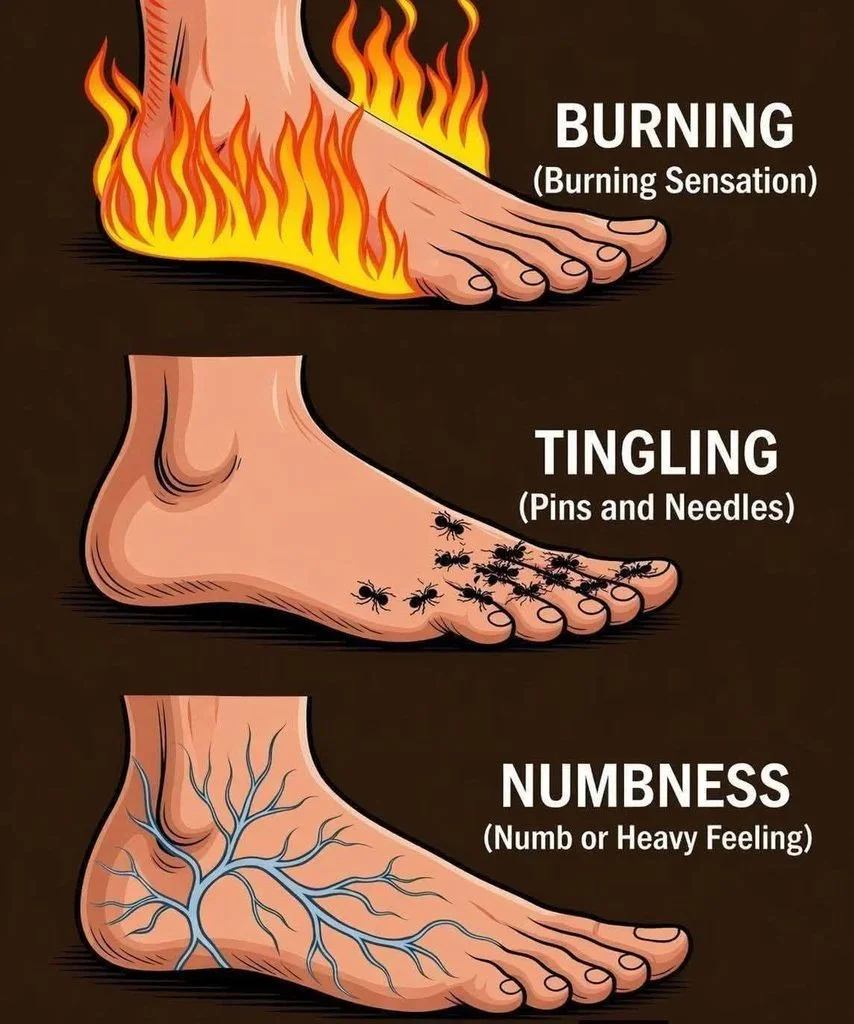
The “Stocking and Glove” Pattern: High blood sugar damages the nerves, usually starting in the feet and moving upward. This causes a burning sensation, tingling (paresthesia), or sharp, shooting, electric-shock-like pains. The person may feel like their legs are on fire, or they may experience extreme sensitivity to touch (hyperalgesia).
Loss of Sensation: Paradoxically, while neuropathy can cause severe pain, it can also cause a dangerous loss of sensation. A person may not feel a blister, a cut, or the heat of a hot water bottle. This loss of protective sensation is a leading cause of diabetic foot ulcers.
Beyond the Image: Other Critical Early Symptoms of Diabetes
While the image highlights the feet, toes, and blood sugar monitoring, these are not the only signs. The body sends out a multitude of other warning signals when blood sugar rises.
1. Increased Thirst (Polydipsia) and Frequent Urination (Polyuria)
This is the most classic symptom of diabetes. When there is excess sugar in the blood, the kidneys are forced to work overtime to filter it out. They pull water from the tissues to dilute the glucose in the urine, leading to frequent urination (especially at night). This loss of fluid causes profound dehydration, leading to an unquenchable thirst.
2. Unexplained Weight Loss
Especially common in Type 1 diabetes, but also possible in Type 2. When the body cannot use glucose for energy, it begins to break down fat and muscle for fuel. This can lead to rapid and sudden weight loss, despite an increased appetite.
3. Chronic Fatigue
If your cells are not getting the glucose they need for energy, you will feel constantly tired, weak, and lethargic. This fatigue is not resolved by sleep.
4. Blurred Vision
High blood sugar pulls fluid from the lenses of the eyes, causing them to swell and change shape. This affects the ability to focus, leading to blurred vision. This is often temporary and reverses once blood sugar is controlled, but prolonged high blood sugar can cause permanent damage (diabetic retinopathy).
5. Slow-Healing Sores
The damage to blood vessels and the compromised immune system make it difficult for the body to heal wounds. Cuts, scrapes, and bruises often linger for weeks or months.
6. Frequent Infections
High blood sugar provides a fertile environment for bacteria and fungi. Diabetics are more prone to yeast infections, urinary tract infections, and skin infections.
7. Acanthosis Nigricans
This is a condition where dark, velvety patches of skin appear in the folds of the body, particularly the neck, armpits, and groin. It is a strong sign of insulin resistance and is often a precursor to diabetes.
Risk Factors: Who Should Be Most Concerned?
While anyone can develop diabetes, certain factors significantly increase your risk:
Age: The risk of Type 2 diabetes increases with age, particularly after age 45.
Weight: Being overweight or obese is the single most significant risk factor for Type 2 diabetes.
Family History: Having a parent or sibling with Type 2 diabetes increases your risk.
Sedentary Lifestyle: Physical inactivity increases the risk of insulin resistance.
History of Gestational Diabetes: Women who developed diabetes during pregnancy are at a higher risk later in life.
High Blood Pressure and High Cholesterol: These are often found alongside Type 2 diabetes.
Taking Action: What to Do If You Recognize These Signs
If you or a loved one is experiencing the symptoms described in this article—whether it is a change in the toenails, unexplained leg pain, or the classic signs of high blood sugar—it is imperative to seek medical attention.
See a Doctor: Do not wait. Schedule an appointment with your primary care physician. A simple blood test is all it takes to diagnose diabetes.
Do Not Ignore Foot Problems: If you have diabetes, you must inspect your feet daily. Look for cuts, blisters, or changes in the nails. See a podiatrist regularly for professional foot care.
Adopt a Healthy Lifestyle: If you are diagnosed with prediabetes or diabetes, lifestyle changes are the most powerful medicine. A diet rich in vegetables, lean proteins, and whole grains, combined with regular exercise (like walking 30 minutes a day), can dramatically lower blood sugar.
Monitor Your Numbers: If recommended by your doctor, use a glucometer to track your blood sugar levels. Keep a log to review with your healthcare provider.
Conclusion: Listen to Your Body’s Warning System
The image of the glucometer, the changed toenails, and the aching leg is a powerful triptych of diabetes warning signs. They are a reminder that diabetes is not just an invisible number on a lab report; it is a systemic disease that physically alters the body, starting with the furthest extremities.
By paying attention to the subtle changes in your nails, the unexplained pains in your legs, and the objective data from a blood glucose meter, you can catch diabetes in its early stages. Early detection and aggressive management are the keys to living a long, healthy, and vibrant life with diabetes. Your body is sending you a message; make sure you are listening.
Frequently Asked Questions
What is the first symptom of diabetes?
There is no single “first” symptom. Early signs can include increased thirst, frequent urination, fatigue, blurry vision, and slow-healing wounds. As shown in the image, changes in the toenails (like thickening or discoloration) and leg pain (from neuropathy or poor circulation) can also be early indicators.
Why does diabetes affect the toenails?
High blood sugar damages the blood vessels and nerves. This reduces blood flow to the toes, causing the nails to become brittle, slow-growing, and susceptible to fungal infections. The nails may turn yellow, thicken, or crumble.
Is leg pain a sign of diabetes?
Yes. Leg pain can be caused by Peripheral Artery Disease (PAD), where narrowed blood vessels restrict blood flow to the legs, causing cramping during walking. It can also be caused by Diabetic Peripheral Neuropathy, which causes burning, tingling, or sharp, shooting pains due to nerve damage.
Why is checking blood sugar important if I have no symptoms?
Because diabetes can develop silently over years. By the time physical symptoms appear, significant damage to the blood vessels and nerves may have already occurred. Regular blood sugar testing, especially if you have risk factors, can catch the disease early.
What does a diabetic foot look like?
A diabetic foot may have thick, yellow, or fungal toenails. The skin may be very dry and cracked. There may be calluses, redness, or, in severe cases, open sores (ulcers) that do not heal.
Can diabetes cause your legs to feel heavy?
Yes. A heavy, aching, or tired feeling in the legs, especially during physical activity, is a common symptom of PAD. It is caused by the muscles not receiving enough oxygen-rich blood.
When should I see a doctor for leg pain?
You should see a doctor if you have persistent, unexplained leg pain, especially if it occurs during walking and improves with rest (claudication). If you have diabetes, any foot or leg pain should be evaluated immediately.
What is a normal blood sugar level?
A normal fasting blood sugar level is under 100 mg/dL. A reading between 100 and 125 mg/dL indicates prediabetes. A reading of 126 mg/dL or higher on two separate occasions indicates diabetes.
Can diabetes be reversed?
Type 2 diabetes can go into remission through significant lifestyle changes (weight loss, diet, and exercise), but it is a lifelong condition that requires ongoing management. Type 1 diabetes cannot be reversed.
How can I prevent diabetes?
You can reduce your risk by maintaining a healthy weight, eating a balanced diet low in processed sugars and refined carbohydrates, exercising regularly, and managing your blood pressure and cholesterol. Regular screening is essential if you have risk factors.