7 Scents That Snakes Hate: Natural Ways to Help Keep Snakes Away from Your Home
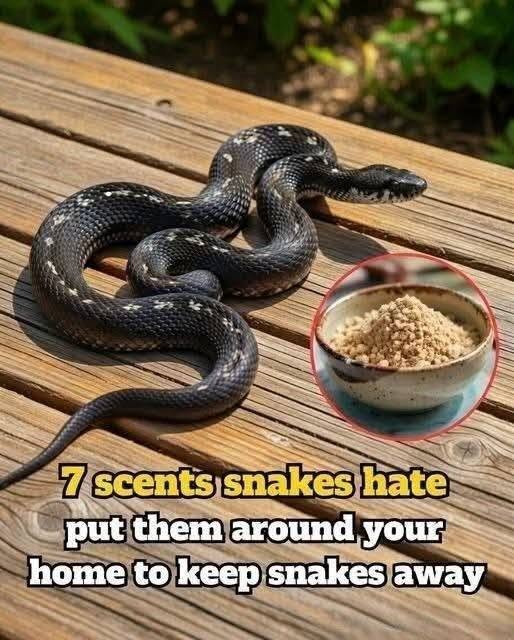
Finding a snake in your yard, on your porch, or worse, inside your home is an experience that strikes primal fear into the hearts of many. Even if the snake is harmless—like the speckled black rat snake pictured in the image—the unexpected encounter can send a shockwave of panic through any homeowner. For those who live in rural areas, near wooded lots, or in regions with high populations of venomous snakes, the desire to create a protective barrier around the home becomes a top priority.
While professional pest control and physical barriers are essential for true snake management, many homeowners are turning to natural, non-lethal methods to deter these reptiles. One of the most popular and eco-friendly strategies is the use of scent repellents. The image highlights a common folklore and practical tip: placing strong-smelling substances around your property to keep snakes away.
Snakes possess a highly developed sensory system, particularly when it comes to detecting chemicals in the air. They do not have external ears, and their eyesight is often geared toward detecting movement rather than sharp detail. Instead, they rely heavily on their tongue and a specialized organ in the roof of their mouth called the Jacobson’s organ to “taste” the air and navigate their environment. Strong, pungent, and irritating odors can overwhelm this sensory system, effectively making an area inhospitable and causing the snake to retreat.
This comprehensive guide explores seven scents that snakes are known to hate. We will delve into the science behind why these smells work, how to properly apply them around your home, and what other crucial steps you must take to ensure your property remains an unwelcoming environment for these slithering visitors.
The Science of Snake Repellents: How Smell Deters Reptiles
Before we delve into the specific scents, it is important to understand the biology of how a snake interacts with its environment.
The Jacobson’s Organ
The Jacobson’s organ (vomeronasal organ) is a patch of sensory cells located within the nasal cavity. When a snake flicks its forked tongue, it picks up microscopic particles from the air and the ground. The tongue then retracts, transferring these particles to the Jacobson’s organ. This allows the snake to detect prey, sense predators, and find a mate.
When you introduce highly concentrated, caustic, or irritating scents into their environment, it disrupts their ability to navigate and hunt. The intense fumes from essential oils or spicy powders act as a sensory overload. The snake interprets the area as chemically hazardous and will typically choose to avoid it.
Essential Oils vs. Powders
When using scent repellents, there are two primary forms: essential oils and dry powders.
Essential Oils: These are highly concentrated plant extracts. They are usually mixed with water and a surfactant (like dish soap) to create a spray. They evaporate relatively quickly, meaning they need frequent reapplication, especially after rain.
Powders: Spices and powders (like cinnamon or cayenne pepper) are used to create physical and sensory barriers on the ground. They are longer-lasting but can be washed away by heavy irrigation.
1. Cinnamon: The Spicy Barrier
Cinnamon is not just a delicious spice for baking; it is also a potent natural snake repellent. The distinct, warm, and pungent scent of cinnamon is deeply offensive to a snake’s sensitive Jacobson’s organ.
Why It Works
The strong oils present in cinnamon (cinnamaldehyde) irritate the snake’s sensory receptors. Snakes rely on scent to find food like rodents and insects. If the ground is covered in a strong cinnamon powder, it masks the scent of their prey and makes the area overwhelming.
How to Use It
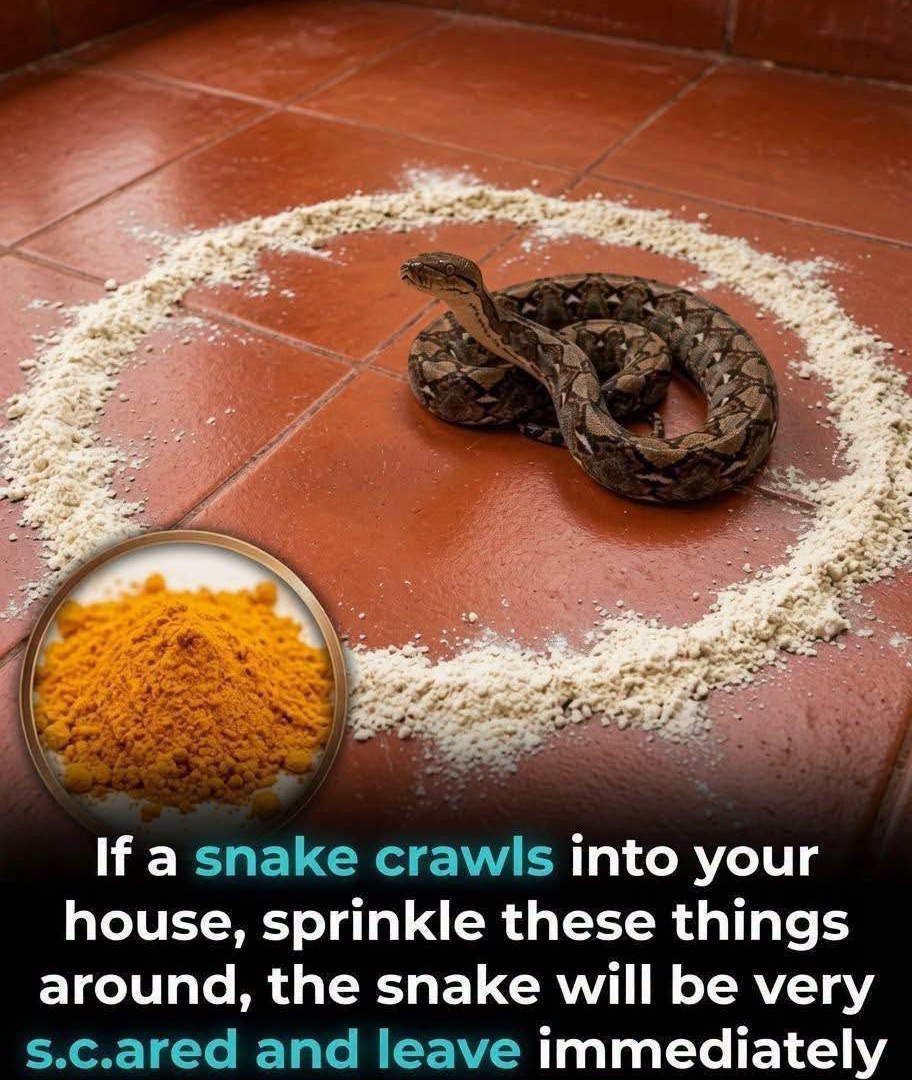
The Powder Line: Create a thick line of ground cinnamon across doorways, along the foundation of your house, and around the perimeter of your patio. Snakes are known to travel along edges, so placing a barrier at these choke points is highly effective.
The Essential Oil Spray: Mix 10 to 15 drops of cinnamon essential oil with a cup of water and a teaspoon of dish soap in a spray bottle. Spray the baseboards, window sills, and doorways.
Reapplication: Cinnamon powder must be reapplied after rain or heavy dew.
2. Clove: The Aromatic Shield
Clove is another powerful culinary spice that possesses strong insecticidal and repellent properties. The active compound, eugenol, is incredibly aromatic and unpleasant to many pests, including snakes.
Why It Works
The intense, numbing, and pungent nature of clove oil acts as a powerful deterrent. It is often used in commercial natural pest repellents because of its long-lasting aroma and effectiveness.
How to Use It
Clove Powder: Sprinkle ground cloves around the base of your home, along fence lines, and near any potential entry points like crawlspace vents.
Clove and Mint Spray: Combine clove essential oil with peppermint oil and water to create a potent dual-action spray. Spray this mixture on the exterior of your home, particularly near gaps or cracks.
Whole Cloves: You can also scatter whole cloves around planters and garden beds, though this may need to be done frequently to maintain the scent.
3. Garlic and Onion: The Sulfur Defense
The kitchen staples of garlic and onion are notorious for their strong, lingering odors. While humans may love them in a savory dish, the sulfur compounds in these bulbs are deeply offensive to snakes.
Why It Works
The sulfurous compounds in garlic (allicin) are toxic to many cold-blooded creatures and act as a severe respiratory irritant. For a snake, the scent of garlic is a clear signal to turn back.
How to Use It
Garlic Cloves: Place crushed garlic cloves around the foundation of your home and in crawlspaces.
Garlic Spray: Blend a few cloves of garlic and a chunk of onion with water in a blender. Strain the mixture, add a few drops of dish soap, and pour it into a spray bottle. Spray the perimeter of your yard.
The Smell Factor: Be warned—this spray is very potent. Do not spray it in enclosed areas that you frequent, and avoid spraying it directly on plants you intend to harvest soon, unless you don’t mind garlic-flavored vegetables.
4. White Vinegar: The Acidic Deterrent
White vinegar is a versatile household staple that is often used as a natural cleaner and a pest deterrent. Its strong acidic smell is a reliable snake repellent.
Why It Works
Vinegar contains acetic acid, which has a harsh, pungent odor. When sprayed on the ground, it creates a chemical barrier that snakes will not cross.
How to Use It
Pure Spray: Fill a spray bottle with pure white vinegar and spray it directly around entry points, door thresholds, and along the foundation.
Vinegar-Soaked Rags: If you have identified a specific hole or burrow where snakes might be hiding, soak rags in vinegar and stuff them into the hole. The fumes will usually drive the snake out and deter others from entering.
Caution: Be careful when spraying vinegar on concrete or natural stone, as the acid can eventually etch the surface. It can also harm delicate plants, so avoid spraying it directly on garden foliage.
5. Peppermint and Essential Oils: The Cooling Repellent
Peppermint oil is widely regarded as one of the most effective natural snake repellents on the market. The intense, cooling sensation of menthol is something snakes cannot tolerate.
Why It Works
Snakes do not have a respiratory system designed to process strong menthol. The fumes from peppermint oil act as an irritant that can cause discomfort and disorientation, prompting the snake to leave the area immediately.
How to Use It
Peppermint Spray: Mix 10 to 20 drops of pure peppermint essential oil with 1 cup of water and 1 teaspoon of dish soap in a spray bottle. Shake well and spray the perimeter of your yard, around the foundation, and in any gaps.
Peppermint-Soaked Cotton Balls: Soak cotton balls in pure peppermint oil and place them in crawlspaces, attics, basements, and other dark, enclosed areas where snakes might seek shelter.
Other Essential Oils: Other essential oils that are highly effective include tea tree oil, eucalyptus oil, and cedarwood oil. A blend of these oils can create a formidable scent barrier.
6. Ammonia: The Industrial Barrier
While not a natural plant extract, ammonia is a household chemical that has been used for decades as a snake repellent. It is highly effective but requires extreme caution.
Why It Works
Ammonia has a nearly overpowering, harsh, and toxic odor. It irritates the lining of a snake’s lungs and sensory organs. The smell is so strong that it serves as a powerful deterrent.
How to Use It
Ammonia Rags: The most common method is to soak rags in ammonia and place them in areas where snakes have been seen, particularly in crawlspaces or around foundations.
Spraying: A diluted ammonia spray can be used around doorways and garages.
Safety Warning: Ammonia is a toxic chemical. Do not use it in enclosed spaces where you or your pets spend time. Handle it in a well-ventilated area and avoid getting it on your skin or eyes. Keep it strictly out of reach of children and pets.
7. Lemongrass and Citrus: The Fresh Deterrent
Citrus scents, particularly lemongrass and the scent of orange and lemon peels, are refreshing to humans but deeply unpleasant to snakes.
Why It Works
The citronella compound found in lemongrass, and the limonene in citrus peels, are natural insect and reptile repellents. They contain volatile oils that are harsh to cold-blooded creatures.
How to Use It
Lemongrass Planting: Plant lemongrass around the perimeter of your patio or garden. As the wind blows, it releases its natural scent, creating a continuous, living barrier.
Citrus Peels: Scatter fresh citrus peels (orange, lemon, lime) around your garden beds, doorways, and the base of your home. You will need to replace them as they dry out and lose their scent.
Citrus Spray: Create a strong citrus spray by boiling orange or lemon peels in water. Strain the liquid, add a little dish soap, and spray it around the perimeter of your yard.
Beyond Scents: Essential Steps for Snake Prevention
While scent repellents are a valuable tool, they are not a guaranteed solution on their own. Snakes are driven by two primary needs: food and shelter. If your yard provides these, they will find a way in, even if they have to cross a line of cinnamon.
To truly keep snakes away, you must practice Integrated Pest Management (IPM) by modifying their habitat.
1. Remove Food Sources
Snakes are predators. If your yard is a buffet for rodents, frogs, insects, or lizards, snakes will follow.
Keep grass mowed and clear away brush where rodents hide.
Eliminate standing water to reduce frog and insect populations.
Keep bird feeders away from the house, as spilled seed attracts rodents.
2. Eliminate Shelter
Snakes love dark, moist, and hidden environments.
Clear Debris: Remove piles of wood, rock, leaves, and yard waste. These are prime real estate for snakes.
Maintain the Lawn: Keep the grass short and clear the fence lines.
Trim Shrubs: Trim low-hanging branches and shrubs so there is a clear gap between the foliage and the ground (at least 12 to 18 inches). Snakes do not like to cross open ground where they are exposed to predators.
Seal Entry Points: Carefully inspect the foundation of your home. Seal any cracks, gaps around pipes, or holes with expanding foam or hardware cloth. Repair broken crawlspace vents and install door sweeps on all exterior doors.
3. Create a Gravel Barrier
Snakes rely on their bellies to move and are sensitive to sharp or rough textures. Creating a 2- to 3-foot wide border of sharp gravel, crushed stone, or lava rock around your foundation can act as a physical deterrent. They will often avoid crossing these rough surfaces.
4. Install a Snake Fence
If you live in a high-risk area, consider installing a professional snake fence. This usually involves a sturdy hardware cloth mesh (at least 3 feet high) buried a few inches into the ground and angled outward at the top to prevent them from climbing over.
The Limits of Natural Repellents
It is vital to understand that scent repellents are a deterrent, not a force field.
1. Weathering
Rain, wind, and sunlight will quickly degrade essential oil sprays and powders. To maintain a scent barrier, you must be diligent about reapplying them, often every few days or immediately after a storm.
2. Habituation
Over time, a snake may become accustomed to a scent if it is not strong enough. If the snake is starving or seeking shelter for the winter, it may be willing to endure a slight discomfort to get what it needs.
3. The Unpredictability of Wildlife
Wild animals act on instinct. While a snake may avoid a strong scent like peppermint or cinnamon, you cannot rely on it 100% of the time.
Safety First: Handling Encounters
If you do encounter a snake near your home, follow these safety rules:
Keep Your Distance: Never approach a snake, even if you think it is dead. Some species can strike reflexively after death.
Do Not Try to Kill It: Most people are bitten while trying to kill or move a snake. Furthermore, many snakes are protected species that are beneficial to the environment.
Identify the Snake: From a safe distance, try to identify the snake. The speckled black snake in the image is likely a non-venomous rat snake or king snake, which are highly beneficial as they eat rodents. If it is a venomous snake, call a professional wildlife removal service immediately.
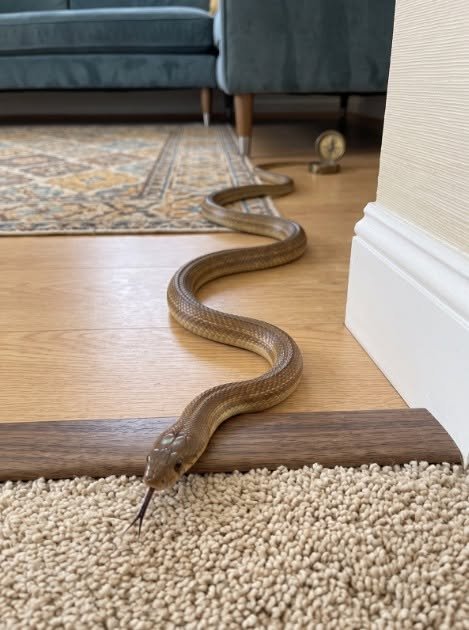
If Indoors: If a snake gets inside, do not panic. Open a door to the outside and use a broom to gently sweep or guide the snake toward the exit. If it is a venomous species, leave the room, close the door, and call animal control.
Conclusion: A Layered Defense Strategy
Creating a snake-free home requires a multi-layered approach. The seven scents—cinnamon, clove, garlic, vinegar, peppermint, ammonia, and citrus—are powerful tools in your arsenal. They exploit the snake’s sensitive biology, creating an invisible barrier that smells like danger.
However, scent repellents must be combined with rigorous habitat modification. By removing food sources, eliminating hiding places, and sealing up your home, you make your property fundamentally less attractive to snakes. Combining these strong natural odors with a well-maintained yard is the most effective, environmentally friendly way to protect your home and your family from unwanted reptilian visitors.
Frequently Asked Questions
What scent do snakes hate the most?
Peppermint essential oil and cinnamon powder are widely considered two of the most effective and potent scents for deterring snakes. The strong menthol in peppermint irritates their respiratory system, while the pungent spice of cinnamon overwhelms their sensory organ.
How do I use essential oils to repel snakes?
Mix 10 to 20 drops of a strong essential oil (like peppermint, clove, or tea tree) with water and a teaspoon of dish soap in a spray bottle. Spray the mixture along the foundation of your home, around doorways, and along fence lines. Reapply frequently, especially after rain.
Does vinegar keep snakes away?
Yes. White vinegar is a strong acid with a pungent odor that snakes dislike. Spraying pure white vinegar around the perimeter of your home or soaking rags in vinegar and placing them in holes can act as a temporary deterrent.
Do mothballs really repel snakes?
While many people use mothballs, it is highly discouraged. Mothballs contain toxic chemicals (naphthalene or paradichlorobenzene) that are harmful to humans, pets, and the environment. They are illegal to use for wildlife control in many jurisdictions. Scent repellents like peppermint or garlic are much safer.
How often should I reapply natural snake repellents?
Essential oil sprays and powder barriers need to be reapplied frequently. Rain, wind, and sunlight will cause them to evaporate or wash away. During rainy seasons, you may need to reapply the scents every 2 to 3 days to maintain the barrier.
Will scent repellents work against venomous snakes?
Scent repellents act on the sensory system of all snakes, meaning they can theoretically deter venomous snakes as well. However, you should never rely solely on scent if you live in an area with highly venomous snakes (like rattlesnakes or copperheads). Professional removal and physical barriers are essential.
What plants naturally repel snakes?
Plants with strong scents, such as lemongrass, marigolds, and mother-in-law’s tongue (sansevieria), are known to have mild snake-repellent properties. Planting these around your yard can add an extra layer of deterrence.
Why are snakes attracted to my yard?
Snakes come into yards looking for two things: food and shelter. If you have tall grass, piles of wood or debris, or a high population of rodents (mice, rats) and insects, your yard is an attractive hunting ground. Removing these resources is the best way to keep snakes away.
What should I do if a snake gets inside my house?
If you find a snake indoors, do not panic. Keep children and pets away. If it is a small, non-venomous snake, you can carefully sweep it toward an open door with a broom. If it is venomous or you are unsure, leave the room, close the door, and call a professional wildlife control service.
Do ultrasonic snake repellents work?
There is very little scientific evidence to support the effectiveness of ultrasonic pest repellents for snakes. Snakes do not hear airborne sounds in the same way humans do; they primarily sense vibrations through the ground. Therefore, scent deterrents and habitat modification are much more reliable methods.