Soft and Fluffy Galuska: The Authentic 5-Minute Hungarian Dumplings Recipe
Introduction
In the heart of Hungarian home cooking, there is a side dish so simple, so comforting, and so beloved that it often threatens to steal the spotlight from the main course. It is soft, slightly chewy, delightfully rustic, and designed to act as the ultimate sponge for rich, paprika-infused sauces. It is known as Galuska (or its closely related cousin, Nokedli).
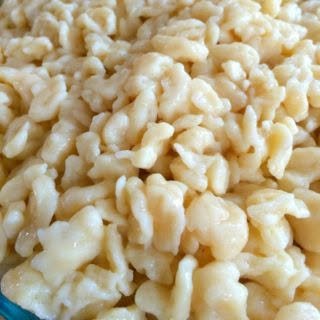
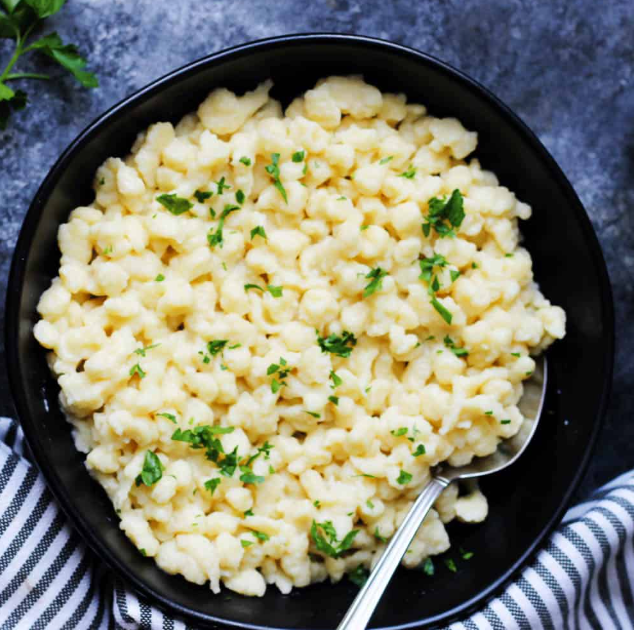
These small, irregular egg dumplings are a cornerstone of Central European cuisine. When you see a photograph of a steaming bowl of these pillowy, golden-hued morsels, it evokes an immediate sense of warmth and satisfaction. The caption accompanying this dish claims they take just five minutes—and while the preparation requires a little care, the actual cooking time is indeed astonishingly fast, making them a completely practical addition to any weeknight dinner.
Galuska is the traditional accompaniment to Hungary’s most famous culinary exports, including Chicken Paprikash and Pörkölt. However, they are also a magnificent canvas for their own dedicated dishes, such as Túrós Csusza, where they are smothered in creamy cottage cheese, sour cream, and crispy bacon.
Whether you are an experienced cook looking to master the art of Central European starch, or a beginner looking for a foolproof, melt-in-your-mouth side dish that requires only a few pantry staples, this comprehensive guide is for you. We will explore the rich culinary history of these dumplings, delve into the precise science of making the perfect dough, provide a step-by-step master recipe, and offer all the tips and tricks you need to ensure your Galuska turns out flawlessly every single time.
Recipe Overview
Preparation Time: 10 minutes
Cooking Time: 5–7 minutes (depending on the size of the pot)
Total Time: 20 minutes (including a 10-minute dough rest)
Number of Servings: 4 to 6 side-dish servings
Difficulty Level: Easy
Cooking Method: Boiling
Cuisine: Hungarian / Central European
Course: Side Dish
Estimated Calories per Serving: Approximately 220–250 calories per serving (when tossed with 1 tablespoon of butter or oil).
What is Galuska? The Culinary Heritage
To truly appreciate these humble dumplings, one must understand their place in Hungarian culture.
The Great Galuska vs. Nokedli Debate
In Hungary, you will frequently hear the terms galuska and nokedli used interchangeably. While they are functionally identical (small, boiled egg dumplings), there is a subtle distinction that purists often debate:
Nokedli: This term is most often used for a slightly softer, wetter batter that is pushed through a specialized strainer or a szaggató (a spaetzle maker) directly into boiling water. The shape is usually a bit longer and thinner.
Galuska: Traditionally, Galuska is made from a slightly stiffer dough. It is often shaped by hand (sometimes using a small spoon) or scraped off a cutting board with a knife. The resulting dumplings are usually smaller, plumper, and slightly more irregular in shape.
In modern Hungarian households, the terms have blended, and most families simply use whichever tool is closest at hand. Both result in the same delicious, pillowy texture.
A Staple of Survival and Celebration
Historically, these dumplings were peasant food. Made from the most basic, accessible ingredients—flour, eggs, water, and salt—they provided essential carbohydrates and energy. They were a way to stretch a small amount of meat or a thin sauce into a filling, satisfying meal for a large family. Over time, Galuska transcended its humble origins to become a beloved national staple, served at everything from casual Sunday family lunches to high-end restaurants.
Ingredients You Will Need
The magic of Galuska lies in its simplicity. Because there are so few ingredients, the quality of each one matters immensely.
2 cups (250 g) all-purpose flour: Standard all-purpose flour provides the perfect amount of gluten to hold the dumplings together without making them tough. You can also use bread flour for a slightly chewier texture, or a high-quality pastry flour for extra softness.
3 large eggs: Eggs are the primary binding agent, providing structure, richness, and that beautiful golden color. Fresh, large eggs work best.
1/2 cup (120 ml) water: This hydrates the flour and creates the gluten matrix. You may need slightly more or less depending on the humidity in your kitchen and the absorbency of your flour.
1 teaspoon salt: For seasoning the dough.
1 tablespoon vegetable oil or melted butter: To toss the cooked dumplings in, preventing them from sticking together and adding richness.
Salt for the boiling water: Generously salt the cooking water; it is the only chance you get to season the dumplings from the inside out.
A Note on Measurements
Making Galuska is not an exact science. The golden rule is to achieve the right consistency rather than rigidly following the measurements. A humid day will require less water; a dry day will require more.
Choosing the Best Ingredients
While you likely have these items in your pantry, taking a moment to select the right ones will elevate your dish.
The Flour
Choose a high-quality, unbleached all-purpose flour. Unbleached flour retains more of its natural proteins and undergoes less processing, leading to a better final texture.
The Eggs
Freshness is key. Older eggs have thinner whites, which can alter the hydration of the dough. If possible, use farm-fresh, large eggs. They provide superior binding and a richer flavor profile.
The Water
Use lukewarm water. Cold water can inhibit the gluten from forming properly, resulting in a dough that is difficult to work with.
Kitchen Equipment
You do not need specialized equipment to make Galuska, though a few tools make the process much easier.
Large mixing bowl: For combining the dough.
Whisk or wooden spoon: To mix the batter until smooth.
Large heavy-bottomed pot: For boiling the water. A wide pot allows the dumplings to float freely without clumping together.
Slotted spoon or spider skimmer: To remove the dumplings from the boiling water.
A Spaetzle Maker, Colander, or Slotted Spoon: This is the key tool for shaping.
Ideal: A dedicated spaetzle maker or a large-holed colander.
Traditional: A simple flat cutting board and a knife, or a metal spoon.
Alternative: A potato ricer with large holes.
Step-by-Step Cooking Instructions
Follow these detailed steps to achieve perfectly cooked, melt-in-your-mouth dumplings.
Step 1: Prepare the Pot Bring a large pot of generously salted water to a rolling boil. Use at least 4 quarts of water to ensure the dumplings do not stick together. Cover the pot to speed up the boiling process while you make the dough.
Step 2: Mix the Wet Ingredients In a medium mixing bowl, whisk the 3 large eggs with the lukewarm water and the 1 teaspoon of salt until well combined.
Step 3: Incorporate the Flour Gradually add the flour to the egg mixture. Stir continuously with a wooden spoon or a sturdy spatula.
Textural Cue: You are looking for a thick, sticky, and smooth batter. It should be wetter than bread dough but thicker than pancake batter. If you lift your spoon, the batter should slowly slide off, leaving a trail.
If the batter feels too stiff and dry, add water one tablespoon at a time. If it is too thin and runny, add flour one tablespoon at a time.
Step 4: Rest the Dough This is the secret to soft, melt-in-your-mouth dumplings. Let the dough rest at room temperature for 10 to 15 minutes. This allows the gluten to relax and the flour to fully hydrate, resulting in a tender bite rather than a rubbery one.
Step 5: Shape the Dumplings Once the water is at a rolling boil, it is time to shape.
Using a Spaetzle Maker: Place a portion of the dough into the hopper and slide it back and forth over the boiling water. The small, irregular droplets will fall directly into the pot.
Using a Colander: Place a large-holed colander over the pot and press the dough through the holes using a spatula or spoon.
The Traditional Board Method: Place a small mound of dough on a wet wooden cutting board. Use the back of a wet spoon or a knife to scrape thin, small strips of dough directly into the water. Dip the spoon or knife in the boiling water periodically to prevent sticking.
Step 6: Cook the Dumplings Stir gently once immediately after adding the dumplings to prevent them from sticking to the bottom. They will sink to the bottom initially. Once they float to the surface of the water, they are nearly done. Let them boil for an additional 1 to 2 minutes to cook through the center.
Important: Do not overcrowd the pot. Cook the dumplings in 2 or 3 batches. Overcrowding lowers the water temperature, resulting in gummy, stuck-together dumplings.
Step 7: Drain and Toss Using a slotted spoon or spider skimmer, transfer the cooked dumplings to a colander to drain any excess water. Once all batches are cooked, transfer the hot dumplings to a large serving bowl.
Immediately toss them with a tablespoon of vegetable oil or melted butter. This prevents them from sticking together and adds a beautiful sheen and flavor.
Important Cooking Tips
Consistency is King: The dough should be sticky but able to hold its shape. If you are using a spaetzle maker, the batter should be wet enough to press through easily.
Salt the Water: Galuska absorbs a lot of flavor from the water. If you do not salt the boiling water, the dumplings will taste bland, no matter what sauce you serve them with.
Keep the Water Boiling: A gentle rolling boil is ideal. If the water stops boiling when you add the dough, the dumplings will absorb too much water and become soggy.
Do Not Overmix: Once the flour is incorporated into the eggs and water, stop mixing. Overmixing activates too much gluten, leading to tough, dense dumplings.
Warm the Serving Bowl: Pour hot water into your serving bowl and let it sit for a minute before drying it and adding the butter and dumplings. This keeps the dumplings warm for longer at the table.
Common Mistakes to Avoid
1. The “Sticky Blob” (Not Enough Water) If your dough is too stiff, it will not pass through the spaetzle maker, and it will create hard, chewy dumplings.
How to fix: Add water, one tablespoon at a time, until the dough becomes pliable and sticky.
2. The “Soupy Mess” (Too Much Water) If the dough is too thin, it will dissolve in the boiling water, creating a cloudy, starchy soup rather than distinct dumplings.
How to fix: Add a little more flour, a tablespoon at a time, until the batter holds together.
3. Skipping the Rest Resting the dough is not optional if you want soft dumplings. Skipping this step results in tough gluten strands.
4. Boiling in a Small Pot If you cram all the dough into a small pot, the water temperature drops drastically. The dumplings will clump together into a massive dough ball. Always use a large pot and cook in batches.
5. Draining Inadequately If you leave the dumplings in the colander too long, they will continue to steam and release moisture, becoming soggy. Toss them with oil or butter immediately after draining.
Variations and Substitutions
Gluten-Free Galuska
To make gluten-free dumplings, substitute the all-purpose flour with a high-quality 1:1 gluten-free flour blend.
Note: Gluten-free dough will require a slightly shorter resting time (about 5 minutes) and a little more care when mixing, as it will not stretch in the same way. You may also need a slightly wetter dough to pass through the maker.
Dairy-Free Options
The traditional dough is already dairy-free. Simply toss the finished dumplings with olive oil, avocado oil, or a dairy-free butter alternative instead of regular butter.
Herbed Dumplings
For a flavor variation, add 1 teaspoon of dried herbs (such as parsley, dill, or chives) directly into the dough. This is a wonderful way to pair the dumplings with specific dishes, such as a dill-heavy mushroom paprikash.
Cheese Dumplings
For a decadent side dish, toss the hot, drained dumplings with a handful of grated sharp cheddar or Gruyère cheese along with the butter, allowing the cheese to melt into a rich coating.
What to Serve with This Dish
Galuska is a blank canvas designed to absorb and complement rich, saucy main courses. Here are the most traditional and delicious pairings:
1. Chicken Paprikash (Paprikás Csirke)
This is the ultimate pairing. The creamy, sweet, and slightly tart sour cream sauce with tender chicken is perfectly soaked up by the soft dumplings.
2. Pörkölt (Hungarian Stew)
Whether made with beef, pork, or wild game, Pörkölt is a thick, paprika-heavy stew with very little liquid. The Galuska acts as the perfect sponge for the intense, rich sauce.
3. Túrós Csusza (Cottage Cheese Noodles)
This is a dish where Galuska is the star. The hot dumplings are tossed with creamy cottage cheese (túró), thick sour cream, and topped with crispy fried bacon and a sprinkle of paprika. It is a classic Hungarian comfort food.
4. Mushroom Paprikash
A vegetarian alternative, this creamy mushroom sauce made with sweet paprika and sour cream pairs beautifully with the egg-based dumplings.
Suggested Side Pairings: A crisp, tangy cucumber salad (uborkasaláta) with a vinegar and sour cream dressing is traditionally served alongside these rich dishes to cut through the heaviness.
How to Store and Reheat Leftovers
Refrigeration
Store any leftover cooked Galuska in an airtight container in the refrigerator. Because the dumplings are moist, they should be consumed within 3 to 4 days.
Freezing
Galuska freezes exceptionally well. To freeze, cook the dumplings as instructed, drain them well, and toss them with a little oil to prevent sticking. Allow them to cool completely, then spread them on a baking sheet in a single layer and place them in the freezer for an hour (flash freezing). Once frozen, transfer them to a zip-top freezer bag. They will keep for up to 3 months.
Reheating
Stovetop: The best method is to sauté the dumplings in a large skillet with a little butter or oil over medium heat until they are heated through and slightly crispy on the edges.
Microwave: Place the dumplings in a microwave-safe bowl, cover with a damp paper towel to reintroduce moisture, and heat in 30-second increments.
In the Sauce: If you have leftover Paprikash or Pörkölt, simply add the cold dumplings directly into the hot sauce and let them simmer gently for 2-3 minutes until heated through.
Make-Ahead and Meal-Preparation Tips
Make the Dough Ahead: The dough can be mixed and rested in the refrigerator for up to 2 hours before boiling. Just bring it to room temperature for 15 minutes before cooking.
Cook and Store: You can boil the entire batch of Galuska a day before you plan to serve it. Drain well, toss with oil, and refrigerate. When you are ready to serve, sauté them in a pan with butter to revive their texture and heat them through.
Freeze for Later: Making a double or triple batch and freezing the extra is one of the best meal-prep strategies. Having a bag of homemade dumplings ready in the freezer means you have a comforting side dish ready in minutes.
Troubleshooting Guide
Q: Why did my dumplings fall apart in the water? This usually happens because the dough was too wet (lacking enough flour) or the water was not at a rolling boil when the dough was added. If the water is not hot enough, the dumplings will dissolve before they can set.
Q: Why are my dumplings dense and chewy? Dense dumplings are almost always the result of overmixing. Once the flour is incorporated, stop stirring. Overworking the gluten will result in a tough, rubbery texture.
Q: My dumplings are sticking together in the pot. What went wrong? You likely overcrowded the pot. When too many dumplings are added at once, the water temperature drops, and the starch on the outside of the dumplings causes them to glue together. Cook in smaller batches and stir gently right after adding them.
Q: Can I use a different type of flour? Yes, you can use bread flour for a chewier texture, or whole wheat pastry flour for a nuttier flavor (though this will change the texture and color). For gluten-free, use a 1:1 blend.
Q: How do I know when the dumplings are done? They will float to the top of the water. Once they float, let them boil for 1-2 minutes to ensure the center is cooked through, then immediately remove them with a slotted spoon.
Nutritional Information
Please note: The following nutritional information is an estimate based on standard ingredients and is provided for informational purposes only. Actual values will vary based on specific brands, exact measurements, and portion sizes.
Calories: 220 kcal per serving
Protein: 7g
Carbohydrates: 35g
Fat: 6g
Saturated Fat: 2g
Cholesterol: 90mg
Sodium: 350mg
Fiber: 1g
Sugar: 1g
Frequently Asked Questions (FAQs)
Q: What exactly is the difference between Galuska and Nokedli? They are essentially the same thing. The terms are used interchangeably in Hungary. Traditionally, Galuska refers to a slightly stiffer dough scraped into smaller, plumper shapes, while Nokedli is a slightly wetter dough pushed through a spaetzle maker into longer, thinner shapes. However, this distinction is largely regional and personal.
Q: Is Galuska the same as German Spaetzle? They are very similar. Both are egg and flour dumplings. The Hungarian version tends to be slightly softer and is almost exclusively used as a side dish to soak up paprika-based sauces, whereas German Spaetzle is often pan-fried with cheese or served with gravies.
Q: Can I make the dough without eggs? You can make eggless dumplings using just flour and water, but the texture will be noticeably different. They will be denser and lack the rich, golden color and flavor that the eggs provide.
Q: How many dumplings should I serve per person? For a side dish, a good rule of thumb is about 1 to 1.5 cups of cooked dumplings per person.
Q: Do I have to peel my own potatoes for this? This recipe does not use potatoes. It is a simple flour and egg dough. If you are thinking of potato-based dumplings, you may be thinking of gnocchi or a different type of Hungarian potato dumpling.
Q: Can I add cheese to the dough itself? It is not traditional to add cheese to the dough. Cheese is usually added after the dumplings are cooked, as in the classic dish Túrós Csusza. Adding cheese to the dough can affect how it boils and binds.
Q: What is the best way to reheat frozen Galuska? Do not thaw them first. Simply drop the frozen dumplings directly into a pot of boiling water for 2 minutes, or sauté them from frozen in a hot skillet with butter until heated through.
Q: Can I use a food processor to mix the dough? You can, but it is very easy to overmix the dough in a food processor, leading to tough dumplings. It is much safer to mix by hand with a wooden spoon.
Q: How long can I store the raw dough in the refrigerator? You can store the raw dough in an airtight container in the refrigerator for up to 24 hours. Let it come to room temperature for about 20 minutes before trying to press it through the spaetzle maker.
Q: Is Galuska healthy? Galuska is a comfort food. It is a source of carbohydrates and protein (from the eggs), but it is not particularly high in fiber or vitamins. However, when served with a vegetable-rich sauce or a lean meat stew, it can absolutely be part of a balanced diet.
Final Recipe Summary
There is a reason why Hungarian cuisine is famous for its hearty, satisfying comfort food, and Galuska is the unsung hero of the table. It requires minimal effort, uses only pantry staples, and cooks in the time it takes for water to boil and a sauce to simmer.
Whether you are serving these soft, pillowy dumplings alongside a creamy chicken paprikash or tossing them with cottage cheese and crispy bacon for a classic Túrós Csusza, mastering this recipe is a rite of passage for anyone who loves European comfort food. Do not be intimidated by the shaping process—it is forgiving, messy, and deeply rewarding.
Give this recipe a try, and experience the magic of a truly traditional Hungarian side dish.
Printable Recipe Card
Recipe Name: Soft and Fluffy Hungarian Galuska (Nokedli) Short Description: Authentic Hungarian egg dumplings made from a simple 4-ingredient dough, boiled until pillowy soft, and perfect for soaking up rich, paprika-infused stews and sauces. Prep Time: 10 minutes Cook Time: 5–7 minutes Total Time: 20 minutes (including rest) Servings: 4–6 side servings
Ingredients:
2 cups (250 g) all-purpose flour
3 large eggs
1/2 cup (120 ml) lukewarm water
1 teaspoon salt (for dough)
Generous salt for boiling water
1 tablespoon vegetable oil or melted butter (for tossing)
Instructions:
Bring a large pot of salted water to a rolling boil.
In a bowl, whisk together the eggs, lukewarm water, and 1 teaspoon salt.
Gradually add the flour, mixing until a thick, sticky, smooth batter forms. The consistency should be thicker than pancake batter but wetter than bread dough.
Let the dough rest at room temperature for 10–15 minutes.
Using a spaetzle maker, colander, or a slotted spoon, press or scrape small, irregular pieces of the dough directly into the boiling water.
Cook in batches to prevent overcrowding. Stir gently once. Once the dumplings float to the surface, boil for an additional 1–2 minutes.
Use a slotted spoon to transfer the cooked dumplings to a colander to drain.
Transfer to a serving bowl and toss immediately with vegetable oil or melted butter.
Serve hot alongside Chicken Paprikash, Pörkölt, or a fresh cucumber salad.
Storage Information: Store leftovers in an airtight container in the refrigerator for up to 3 to 4 days. Freeze cooked dumplings on a baking sheet, then transfer to a freezer bag for up to 3 months.
Link to: A recipe where Galuska is the star, tossed with cheese and bacon.
Anchor Text: Authentic Hungarian Cucumber Salad
Link to: The traditional, refreshing side dish to balance the richness of Paprikash and Galuska.
Anchor Text: Guide to Hungarian Paprika
Link to: An educational article on selecting and using the right paprika for your dishes.
External Source Suggestions
Culinary History of Spaetzle and Dumplings: Look for articles from recognized culinary institutions or food historians discussing the migration of egg noodle recipes across Central Europe.
USDA FoodData Central: To verify the exact nutritional breakdown of eggs and flour if a precise dietary calculation is required.
Food Safety Guidelines: For verifying the safe boiling times for doughs containing raw eggs, though standard boiling for 2 minutes after floating is universally accepted for safety.