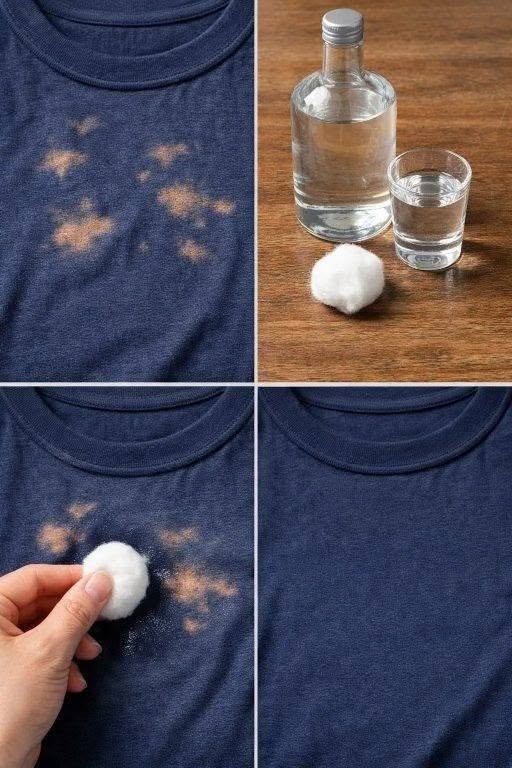
How to Fix Bleach Damage on Clothing: Two Practical Methods
Accidentally splashing bleach on your favorite shirt or pants is a frustrating laundry mishap. While social media posts often promise ways to “remove” bleach stains, it is important to understand how bleach works. Bleach does not leave a residue on the fabric like dirt or wine; instead, it chemically removes the dye from the fibers.
Because the color has been stripped away, you cannot simply wash the stain out. Instead, the goal is to restore the color. Here are two effective methods for repairing bleach-damaged fabrics, ranging from small touch-ups to full restoration.
Understanding the Damage
Before attempting any repair, it is crucial to stop the chemical reaction. If the bleach is still wet, rinse the area thoroughly with cold water. You can also dab the area with a mixture of water and hydrogen peroxide (1 part peroxide to 10 parts water) to neutralize the bleach and prevent further damage to the fabric fibers.
Once the fabric is neutralized and dry, you can choose the best method for repair based on the size of the damage.
Method 1: Using Fabric Markers or Paint (For Small Spots)
For small splashes or spots—like the damage often seen on pant legs—using a fabric marker or acrylic fabric paint is the most efficient solution. This method allows you to target the specific area without altering the rest of the garment.
Identify the Color: Match the color of the fabric as closely as possible. For dark fabrics like black or navy, a black permanent fabric marker often works well.
Clean the Area: Ensure the fabric is clean and dry.
Apply Color: Gently dab or color over the bleached spot. If using a marker, use short, stippling motions rather than long strokes to blend the color with the surrounding fabric texture.
Blend: If the spot is orange or reddish (common when bleach hits dark dye), you may need to layer colors. Start with a reddish-brown to cover the orange, then top it with the final dark color to match the garment.
Method 2: Re-Dyeing the Garment (For Large Areas)
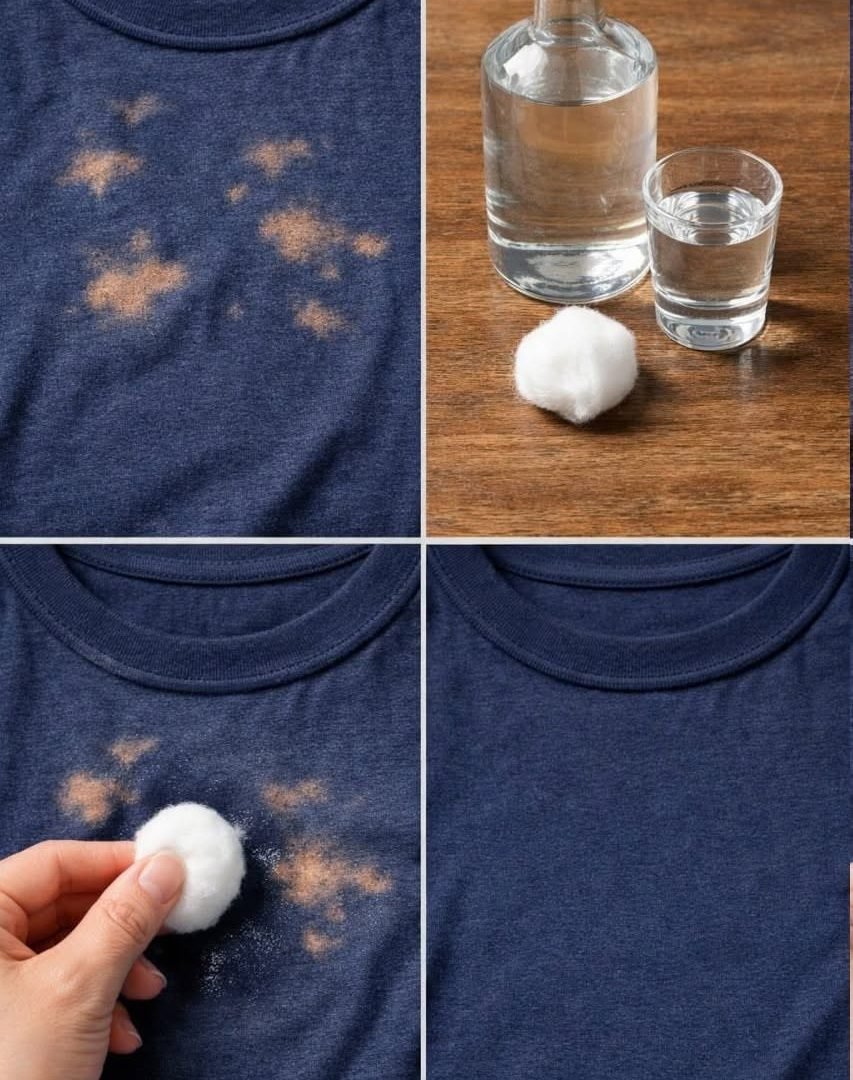
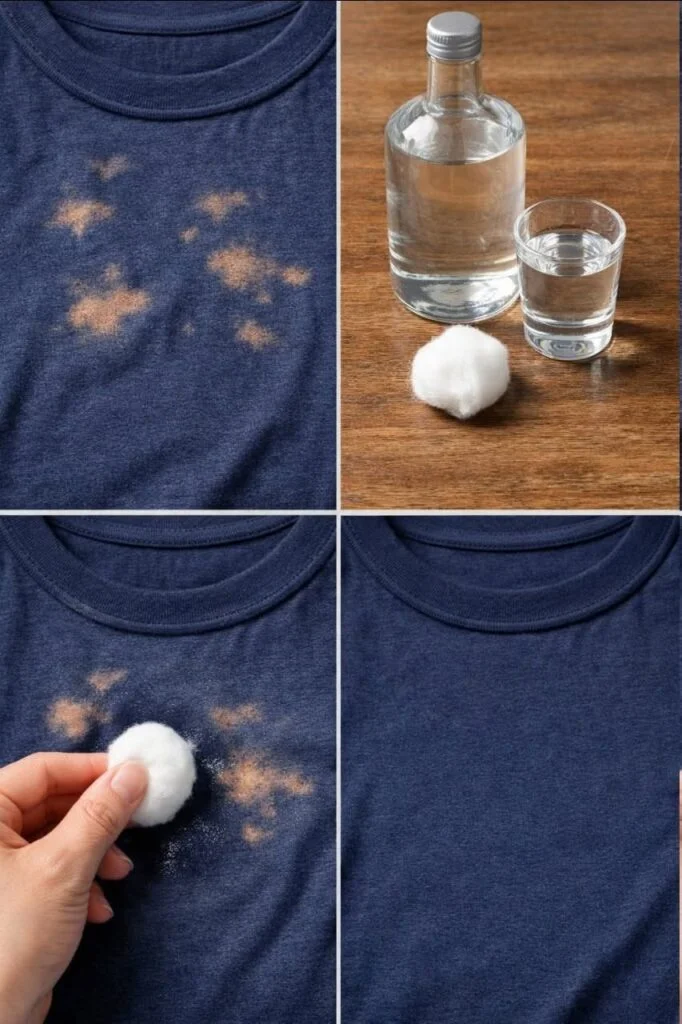
If the bleach splash is large, as seen on the t-shirt in the example above, spot treatment may look patchy. In this case, re-dyeing the entire item is the best way to achieve a uniform look.
Choose a Dye: Select a fabric dye that is compatible with your fabric type (cotton, polyester, etc.). Note that you generally need to dye the garment a darker color than the bleach stain to cover it effectively.
Prepare the Bath: Follow the instructions on the dye package (such as Rit or Dylon) to prepare a dye bath in a sink or bucket.
Submerge the Fabric: Wet the garment and submerge it in the dye. Stir continuously to ensure even coverage.
Rinse and Wash: Once the desired color is reached, rinse the item in cool water until the water runs clear. Wash it separately in the washing machine to remove excess dye.
Summary
While you cannot “remove” a bleach stain in the traditional sense, you can effectively hide the damage. For minor accidents, a simple fabric marker can save the item. For larger spills, re-dyeing offers a fresh look for your clothing. Always handle bleach with care and follow safety instructions on the bottle to prevent future accidents.