The “2-Minute Tartar Removal” Hack: Dentist-Approved Truth vs. Viral Myth
Viral posts claim baking soda and turmeric can remove tartar and whiten teeth in 2 minutes. We separate fact from fiction and reveal what dentists actually recommend for a bright, healthy smile.
Introduction
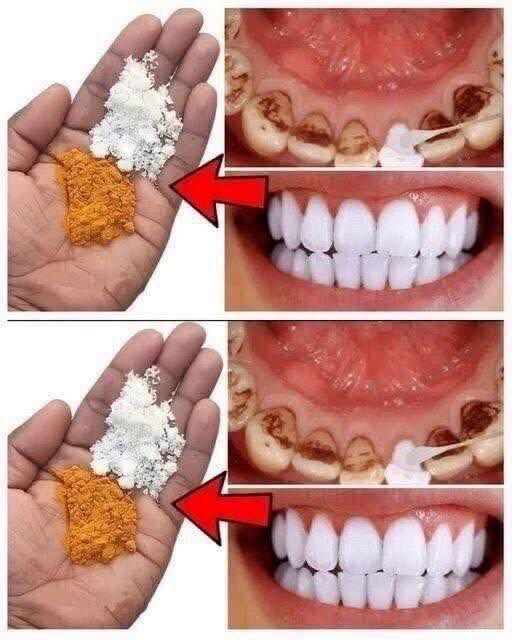
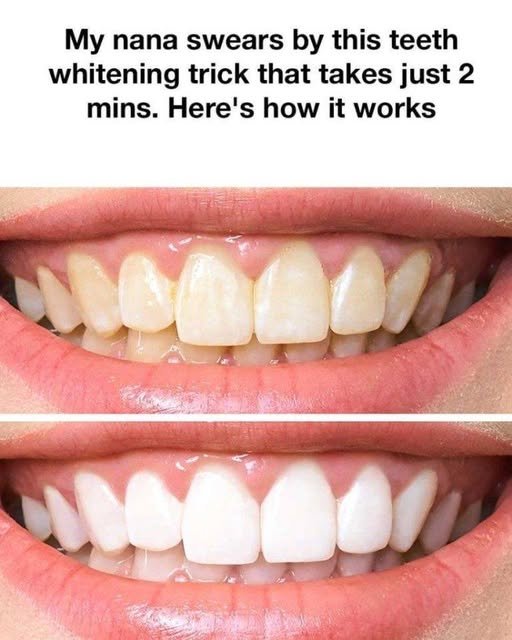
Scroll through social media, and you’ll inevitably see it: a split-screen image showing a hand holding piles of white powder (baking soda) and yellow powder (turmeric), next to a dramatic before-and-after of stained teeth transforming into a blindingly white Hollywood smile.
The caption is always the same: “Secret that Dentists don’t want you to know: Remove Tartar and Teeth Whitening in just 2 minutes.”
It’s tempting. Professional whitening costs hundreds of dollars, and dental cleanings require an appointment. A $2 kitchen hack that works in 120 seconds sounds like a miracle.
But here is the hard truth: Dentists aren’t hiding this secret because they want your money. They aren’t recommending it because it can actually damage your enamel.
While baking soda and turmeric have some merit, the viral claim of “removing tartar in 2 minutes” is medically impossible and potentially dangerous. Here is the real science behind these ingredients, what they can actually do, and the safe way to use them.
The Ingredients: What Do They Actually Do?
1. Baking Soda (Sodium Bicarbonate)
The Truth: Baking soda is a mild abrasive. It is excellent at removing surface stains caused by coffee, tea, wine, or smoking. It also creates an alkaline environment in the mouth, which helps neutralize acid-producing bacteria.
The Myth: It cannot dissolve tartar (calculus). Tartar is calcified plaque that has hardened onto the tooth structure. Once plaque hardens into tartar, no amount of brushing—whether with baking soda, toothpaste, or diamond dust—will remove it. It requires professional ultrasonic scaling tools to break the bond.
The Risk: Baking soda has a high pH and can be abrasive. Using it daily or scrubbing too hard can wear down your enamel over time. Once enamel is gone, it doesn’t grow back, leading to sensitivity and yellowing (as the dentin underneath shows through).
2. Turmeric (Curcumin)
The Truth: Turmeric has anti-inflammatory and antimicrobial properties. Some studies suggest it can help reduce gingivitis (gum inflammation) and plaque buildup due to its curcumin content.
The Myth: It does not chemically bleach teeth. In fact, turmeric is a potent dye. While some users report whitening (likely due to the abrasive action of the paste scrubbing away surface stains), others find it temporarily stains their toothbrush, sink, and even composite fillings yellow.
The Risk: The grittiness of ground turmeric can be overly abrasive if not finely powdered.
Why “2 Minutes” is a Dangerous Lie
The viral image implies a quick scrub will melt away years of buildup. This is false for two reasons:
Tartar is Rock-Hard: Tartar is essentially mineralized calcium phosphate. It bonds to the tooth like cement. Removing it requires mechanical force (scaling) that only a trained hygienist should apply to avoid gouging the tooth root.
Whitening Takes Time: Safe whitening involves peroxide penetrating the enamel to oxidize internal stains. This process takes days or weeks, not minutes. If a substance changes your tooth color in 2 minutes, it’s likely either stripping the surface (abrasion) or dehydrating the tooth (temporary effect).
How to Use These Ingredients SAFELY (If You Choose To)
If you want to try this natural approach, do it safely to avoid permanent damage:
The Safe Recipe
Mix 1/2 teaspoon of baking soda with a tiny pinch of turmeric and enough water (or coconut oil) to form a paste.
Do NOT add lemon juice or vinegar. The acid + abrasive combo is a recipe for rapid enamel erosion.
The Protocol
Limit Frequency: Use this paste no more than once a week. Treat it as a polishing treatment, not a daily toothpaste.
Be Gentle: Use a soft-bristled brush. Do not scrub hard. Let the chemistry do the work, not your elbow grease.
Watch for Sensitivity: If your teeth feel zingy or sensitive to cold, STOP immediately. Your enamel is thinning.
Rinse Thoroughly: Turmeric stains everything. Rinse your mouth well and clean your sink immediately to avoid yellow rings.
What Dentists Actually Recommend
Instead of chasing viral myths, here is the gold standard for tartar control and whitening:
Professional Cleanings Every 6 Months: This is the only way to remove tartar. Prevention is cheaper than restoration.
Electric Toothbrushes: Studies consistently show oscillating-rotating electric brushes remove more plaque than manual brushing.
Floss Daily: Tartar forms where brushes can’t reach. Flossing prevents the plaque buildup that eventually hardens.
ADA-Approved Whitening Strips: For safe, proven whitening, use products with the American Dental Association seal. They use controlled concentrations of peroxide that are effective without destroying enamel.
Hydroxyapatite Toothpaste: A newer, non-abrasive alternative to fluoride that helps remineralize enamel and reduce sensitivity while cleaning.
Conclusion
The “secret” in the viral image isn’t a conspiracy; it’s a half-truth. Baking soda and turmeric can help maintain a clean mouth and reduce surface stains, but they are not magic erasers for tartar.
Your enamel is precious and finite. Don’t trade it for a 2-minute TikTok trend. Use natural remedies sparingly and wisely, and leave the heavy lifting to your dental hygienist. A bright smile is a marathon, not a sprint!
💬 Over to You!
Have you tried the baking soda and turmeric hack? Did you see results, or did it just make a mess? Share your honest experiences in the comments below! 👇
Disclaimer: This article is for informational purposes only and does not constitute professional dental advice. Always consult with your dentist before trying new oral care routines, especially if you have sensitive teeth, gum disease, or restorations.