8 Things You Absolutely Should Not Put in a Dishwasher (And Why)
We all love the dishwasher. It is the unsung hero of the modern kitchen, saving us hours of scrubbing, soaking, and drying every single week. It feels like a magical box that makes dirty things clean. But that magic comes with a price: the dishwasher is a harsh environment. It combines high heat, powerful jets of water, and alkaline detergents that can be devastating to certain materials.
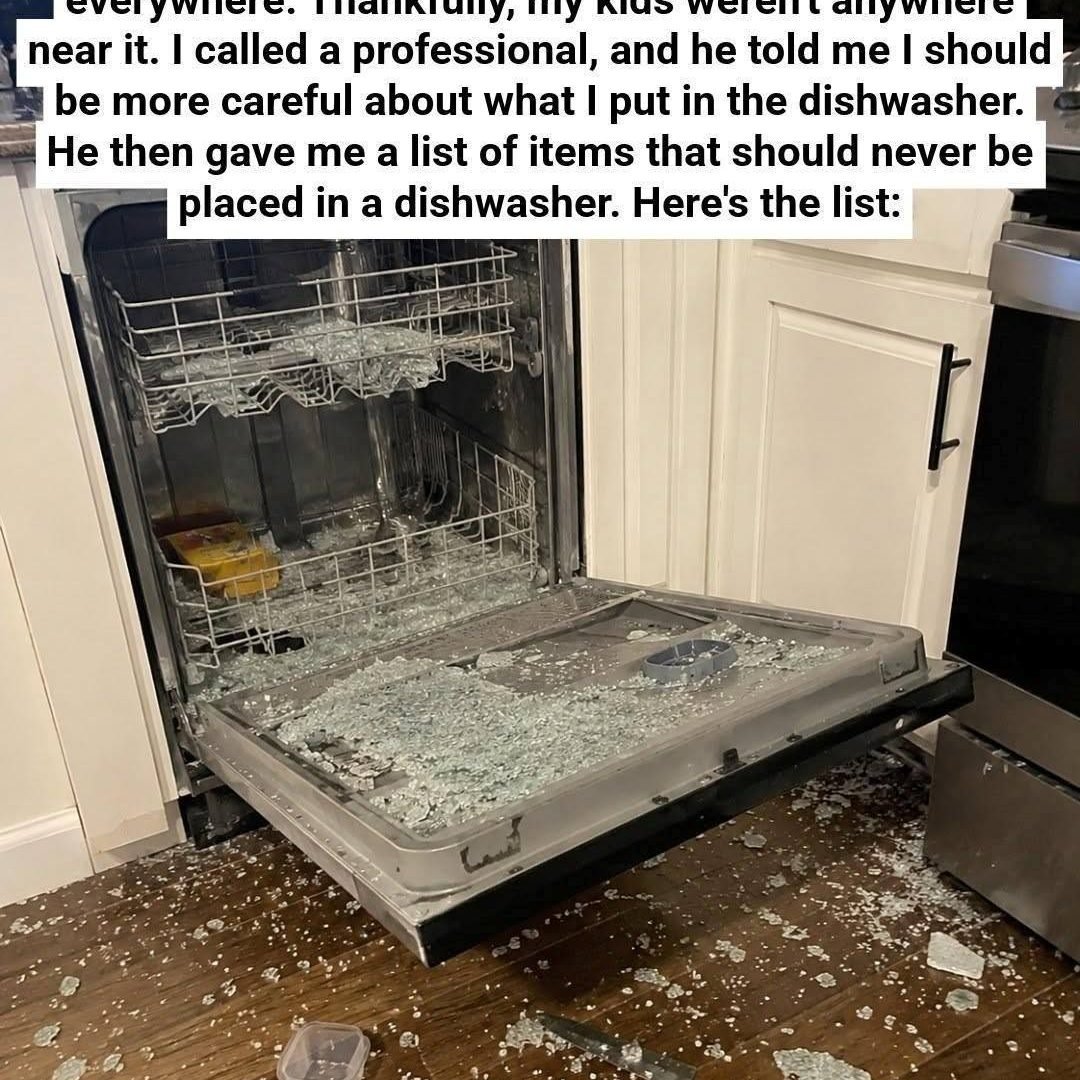
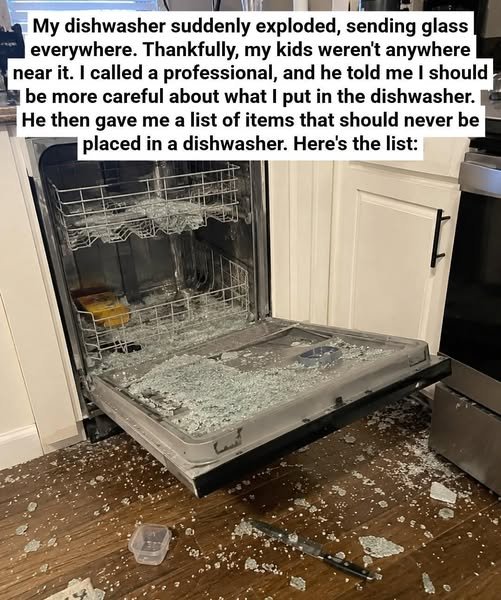
If you look at the image above, you see a kitchen nightmare. A glass has shattered inside the dishwasher, leaving a trail of dangerous shards across the bottom rack and the filter. This is a stark reminder that not everything belongs in that soapy vortex.
Putting the wrong items in your dishwasher doesn’t just ruin the item; it can ruin your machine, contaminate your other dishes, or even cause injury (like stepping on glass shards later).
Below is the ultimate, comprehensive guide to the 8 things you absolutely should not put in a dishwasher, the science behind why they get damaged, and how you should clean them instead.
1. Cast Iron Skillets and Dutch Ovens
If you ask any chef or home cook what the cardinal sin of dishwashing is, they will point immediately to cast iron. Whether it is a vintage Lodge skillet or a high-end Le Creuset Dutch oven (if the enamel is chipped or it’s raw iron), the dishwasher is the enemy.
The Science: Why it happens
Cast iron cookware relies on a layer of polymerized oil called “seasoning.” This seasoning creates a natural, non-stick surface and protects the iron from rusting. Dishwasher detergents are highly alkaline and designed to strip grease and food residue. When you put cast iron in the dishwasher, the detergent strips away the seasoning layer entirely.
Furthermore, cast iron is porous. The intense heat and prolonged exposure to water cause the iron to absorb moisture.
The Consequence
Rust: Within hours of the cycle finishing, your skillet will likely develop patches of orange rust.
Loss of Non-Stick: You will lose years of built-up seasoning, meaning eggs and pancakes will stick terribly the next time you cook.
Metallic Taste: Food cooked in a rusted or stripped pan can take on a metallic flavor.
How to Clean It Instead
The Salt Method: While the pan is still warm, scrub it with coarse kosher salt and a paper towel to remove food bits.
Hot Water & Brush: Use a stiff brush and hot water. Avoid soap if possible, or use a tiny drop of mild soap if necessary.
Re-season: Always dry it immediately on the stove over low heat, then rub a thin layer of oil (like canola or flaxseed) into the surface.
2. Wooden Cutting Boards and Utensils
Wood is a natural, organic material. It breathes, expands, and contracts. The dishwasher is a climate-controlled torture chamber for wood.
The Science: Why it happens
Wood is hygroscopic, meaning it absorbs water. In a dishwasher, the wood absorbs water rapidly during the wash cycle. Then, the heating element kicks in for the drying cycle, rapidly drying the wood out. This rapid cycle of swelling and shrinking causes the wood fibers to tear apart.
Additionally, the high heat can melt the glues used in butcher block boards or utensil handles.
The Consequence
Warping: Your cutting board will no longer sit flat on the counter. It will rock back and forth.
Cracking and Splitting: Deep fissures will appear. These cracks are not just ugly; they are breeding grounds for bacteria like Salmonella and E. coli, which you can’t easily clean out.
Fuzziness: Wooden spoons will develop a rough, splintery texture.
How to Clean It Instead
Hand Wash: Use warm soapy water and a sponge. Scrub vigorously.
Sanitize: To kill bacteria, wipe the board down with a solution of white vinegar or a dilute bleach solution (1 tablespoon bleach per gallon of water).
Oil Regularly: Rub food-grade mineral oil into the wood once a month to keep it hydrated and prevent cracking.
3. Crystal and Delicate Glassware (The “Shatter Zone”)
Referencing the image above: This is the most dangerous category. As seen in the photo, glass can shatter. But even if it doesn’t break, delicate glassware is at risk.
The Science: Why it happens
There are two main risks here: Thermal Shock and Etching.
Thermal Shock: If a cold glass is placed in a dishwasher that immediately starts with a hot wash, the rapid temperature change can cause the glass to shatter. Furthermore, the powerful jets can knock lightweight crystal glasses into each other or the metal racks, causing them to break (as seen in the photo).
Etching: Crystal often contains lead or other minerals that make it sparkle. The high heat and harsh detergents (specifically the high pH) can cause a chemical reaction with the glass surface. This is called “etching.”
The Consequence
Breakage: You end up with a dishwasher full of glass shards (like the photo), which can clog the pump and filter, requiring a costly repair.
Cloudiness: Etching is permanent. Your beautiful crystal wine glasses will look permanently foggy, cloudy, or iridescent. No amount of scrubbing will fix this; the glass surface has actually been corroded.
How to Clean It Instead
Hand Wash Only: Use lukewarm water and a mild dish soap.
Rinse Immediately: Don’t let wine or juice dry in the glass.
Dry with Microfiber: Use a lint-free cloth to prevent water spots and avoid air drying which can leave mineral deposits.
4. Non-Stick Pans (Teflon/PTFE)
Non-stick pans are a kitchen staple for easy cooking and easy cleanup. Ironically, putting them in the dishwasher makes them harder to clean over time.
The Science: Why it happens
Non-stick coatings (like Teflon) are durable but sensitive to high heat and abrasive chemicals. Dishwasher detergents contain enzymes and bleaching agents that are too harsh for the coating. Additionally, the high heat of the drying cycle can degrade the chemical bonds of the non-stick surface.
There is also the physical aspect: the water jets can bang the pan against other dishes, chipping the coating.
The Consequence
Flaking: The coating may start to peel or flake off into your food. While generally considered non-toxic if ingested in small amounts, it ruins the pan.
Loss of Non-Stick Properties: Food will start to stick to the pan, defeating the purpose of buying it.
Warping: Thin aluminum non-stick pans can warp under the high heat, making them wobble on the stove.
How to Clean It Instead
Soak: If food is stuck, soak the pan in warm soapy water for 10-15 minutes.
Soft Sponge: Use a soft sponge or cloth. Never use steel wool or abrasive scrubbers.
Hand Wash: A quick wipe with soapy water is usually all that is needed for non-stick surfaces.
5. Aluminum Cookware and Baking Sheets
You might notice your favorite aluminum baking sheet or pot coming out of the dishwasher looking dull, gray, or even black.
The Science: Why it happens
Aluminum is a reactive metal. Dishwasher detergents are highly alkaline (basic). When aluminum meets alkaline substances in the presence of heat and water, an oxidation reaction occurs.
The Consequence
Discoloration: The metal turns a dark gray or black color. This is aluminum oxide. While not strictly dangerous, it looks terrible and can rub off on your hands or food.
Pitting: Over time, the reaction can cause the surface of the metal to become rough and pitted.
Anodized Aluminum Damage: If you have high-end anodized aluminum (like All-Clad), the dishwasher will strip the anodized layer, ruining the finish.
How to Clean It Instead
Hand Wash: Use warm water and mild soap.
Remove Oxidation: If your aluminum is already gray, you can boil water with a little cream of tartar or lemon juice in the pan to help restore the shine (though this is difficult to reverse completely).
6. High-Quality Chef’s Knives
A good chef’s knife is an investment. It should last a lifetime if cared for properly. The dishwasher is a knife killer.
The Science: Why it happens
The Edge: The blade of a knife is extremely thin and sharp. The high-pressure water jets in a dishwasher can blast the knife against other utensils or the rack itself. This micro-battering rolls or chips the fine edge of the blade.
The Handle: Many high-end knives have wooden or composite handles held on by rivets and glue. The heat and water can loosen the glue or cause the wood to swell and crack, leading to a loose handle.
Corrosion: Even stainless steel can rust if left in a damp, salty environment (food residue) for an hour during a wash cycle.
The Consequence
Dullness: Your knife will lose its sharpness rapidly, requiring frequent professional sharpening.
Danger: A dull knife is actually more dangerous than a sharp one because it requires more force to cut, increasing the chance of slipping.
Handle Failure: The handle could snap off while you are chopping.
How to Clean It Instead
Wash Immediately: Rinse and hand wash the knife right after use.
Dry Immediately: Don’t leave it in the sink to soak. Dry it with a towel.
Storage: Store it in a knife block or on a magnetic strip, never loose in a drawer where the edge can get banged up.
Plastic is tricky. Some plastics are fine, but many are not. The rule of thumb: if it’s cheap, thin, or old, keep it out.
The Science: Why it happens
The bottom rack of a dishwasher is very close to the heating element. The temperature here can exceed the melting point of many plastics. Even if they don’t melt, the heat causes the plastic to warp.
Furthermore, there is the issue of chemical leaching. High heat can cause chemicals like BPA or phthalates (in older plastics) to break down and leach into the plastic matrix, which can then transfer to your food later.
The Consequence
Melting: You might open the dishwasher to find a plastic container melted onto the heating element or the rack. This is a fire hazard and ruins the machine.
Warping: Lids will no longer fit containers. Containers will no longer sit flat.
Clouding: Plastic becomes cloudy and scratched, making it hard to see what’s inside.
How to Clean It Instead
Top Rack Only: If you must use the dishwasher, put plastics on the top rack, furthest away from the heating element.
Hand Wash: The safest bet for Tupperware and takeout containers is a quick hand wash.
Check the Symbol: Look for the “Dishwasher Safe” icon (usually a square with plates in it). If it’s not there, hand wash.
8. Copper Mugs and Pots
Copper is prized for its beauty and its excellent heat conductivity. It is often used for Moscow Mules or high-end cookware.
The Science: Why it happens
Copper reacts quickly to the chemicals in dishwasher detergent. The detergent is designed to remove organic matter, but it also strips the natural patina and protective lacquer (if present) off copper.
The Consequence
Tarnishing: The copper will turn a dull, dark brown or even green (verdigris) very quickly.
Loss of Shine: The beautiful, reddish-gold shine will vanish.
Toxicity Risk: If the copper is unlined (like some traditional cookware), the dishwasher can strip the tin lining or cause the copper to react with acidic foods later, which can be toxic in large amounts.
How to Clean It Instead
Hand Wash: Use warm soapy water.
Polish: To restore shine, use a mixture of lemon juice and salt, or a dedicated copper polish like Bar Keepers Friend.
Dry Immediately: Copper water spots easily.
Bonus: What to do if glass breaks in your dishwasher?
If you end up with a situation like the photo at the top of this article, do not just run the next cycle.
Safety First: Wear thick rubber gloves.
Remove Large Shards: Carefully pick out all visible large pieces of glass.
Check the Filter: Remove the bottom filter assembly (usually a twist-lock cylinder in the floor of the dishwasher). Glass shards love to hide here. Rinse the filter under running water.
Check the Spray Arms: Look at the holes in the spinning spray arms. If a shard of glass is lodged in there, it will block water flow and ruin the wash. Use a toothpick to clear holes.
Run a Rinse Cycle: Run an empty rinse cycle to flush out any remaining microscopic dust.
Inspect the Pump: If the dishwasher sounds loud or isn’t draining, a piece of glass may be stuck in the impeller pump. This may require a professional repair.
Conclusion
The dishwasher is a marvel of engineering, but it is not a garbage disposal for dirty dishes. By respecting the materials of your cookware and keeping the 8 items listed above out of the machine, you will save money, extend the life of your kitchen tools, and keep your dishwasher running smoothly for years to come.
When in doubt, hand wash it out!
FAQ: Dishwasher Dos and Don’ts
Q: Can I put stainless steel in the dishwasher? A: Yes, high-quality stainless steel cutlery and pots are generally dishwasher safe. However, hand washing is recommended to keep them looking shiny and to prevent water spots.
Q: Why did my plastic container melt? A: It was likely placed on the bottom rack too close to the heating element. Always put plastic on the top rack.
Q: Is it safe to use a dishwasher if a glass broke? A: No. You must clean the filter and pump area thoroughly, or the glass shards will circulate and potentially damage the pump motor or scratch your other dishes.
Q: Can I put baby bottles in the dishwasher? A: Yes, most baby bottles are dishwasher safe. Place them on the top rack and ensure the water temperature is hot enough to sanitize (usually 150°F+), or use the “Sanitize” cycle if your machine has one. Check the manufacturer’s label to be sure.