Symptoms of Diabetes at Night: What to Watch For While You Sleep
Meta Description: Diabetes doesn’t stop working when you go to sleep. Discover the common nighttime symptoms of diabetes, including night sweats, dry mouth, and nerve pain, and learn how to manage them.
Introduction
Diabetes is a chronic condition that affects how your body processes blood sugar (glucose). While many people are familiar with daytime symptoms like fatigue and increased thirst, diabetes can also significantly disrupt sleep and cause specific symptoms during the night.
Recognizing these nocturnal signs is crucial, as they can indicate that blood sugar levels are not well-controlled, either running too high (hyperglycemia) or dropping too low (hypoglycemia). Here are the primary symptoms of diabetes that occur at night.
1. Night Sweats (Nocturnal Hypoglycemia)
Waking up drenched in sweat is a common and potentially dangerous symptom for people with diabetes, particularly those taking insulin or medications that stimulate insulin production.
The Cause: This is often a sign of nocturnal hypoglycemia, or low blood sugar during sleep. When blood glucose levels drop too low, the body triggers a “fight or flight” response, releasing adrenaline to prompt the liver to release stored glucose. This adrenaline surge causes heavy sweating.
Other Signs: Night sweats from low blood sugar are often accompanied by nightmares, restless sleep, or waking up with a headache and a rapid heart rate.
2. Dry Mouth and Extreme Thirst
Waking up with a parched mouth and an overwhelming need to drink water is a classic sign of high blood sugar (hyperglycemia).
The Cause: When blood sugar levels are elevated, the body attempts to flush out the excess glucose through the kidneys. This process, called osmotic diuresis, pulls fluids from your tissues, leading to dehydration.
The Result: The body signals this dehydration through intense thirst and a dry mouth, often causing individuals to wake up multiple times during the night to drink water.
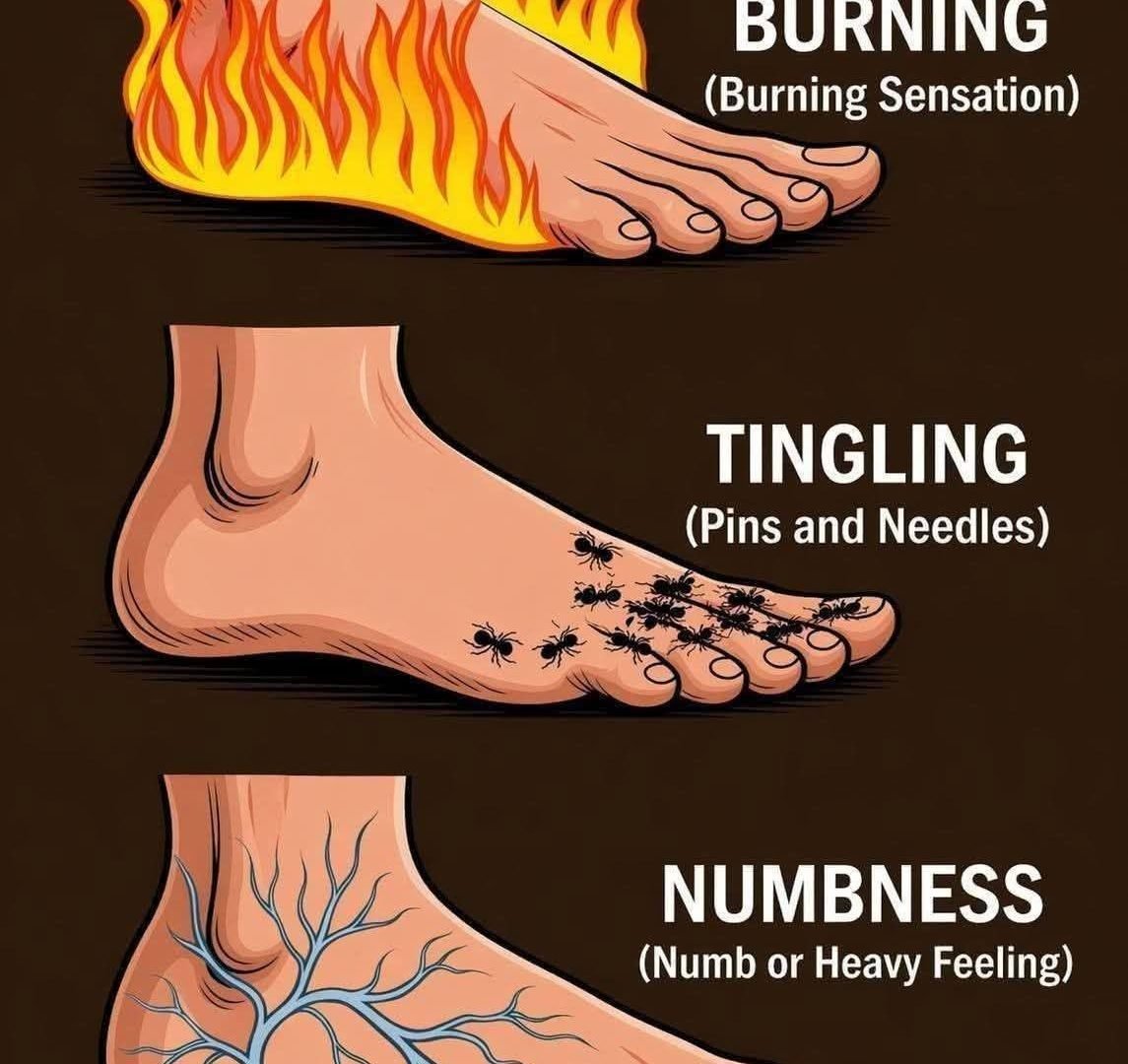
3. Tingling, Burning, or Pain in the Hands and Feet
Many people with diabetes report that nerve pain in their extremities worsens at night.
The Cause: Prolonged high blood sugar can damage the small blood vessels that supply nerves, leading to a condition called diabetic peripheral neuropathy.
The Result: This nerve damage typically starts in the feet and hands, causing sensations of tingling, “pins and needles,” burning, or sharp pain. These symptoms often feel more intense at night because there are fewer environmental distractions to mask the discomfort.
4. Frequent Urination (Nocturia)
Needing to wake up multiple times throughout the night to use the bathroom is a frequent complaint among those with uncontrolled diabetes.
The Cause: As mentioned with dry mouth, the kidneys work overtime to filter and absorb excess glucose. When they cannot keep up, the excess glucose is excreted into the urine, dragging fluids from your tissues along with it.
The Result: This produces a larger volume of urine, leading to frequent trips to the bathroom (nocturia) that severely fragment sleep.
5. Mouth Breathing and Sleep Apnea
There is a strong correlation between type 2 diabetes and sleep-disordered breathing, particularly Obstructive Sleep Apnea (OSA).
The Connection: Insulin resistance and diabetes are often linked to weight gain and metabolic changes that increase the risk of airway collapse during sleep.
The Result: People with sleep apnea often breathe through their mouths to get enough oxygen, which exacerbates dry mouth and throat irritation. Furthermore, the stress of interrupted breathing can cause the liver to release more glucose, leading to higher morning blood sugar levels.
How to Manage Nighttime Diabetes Symptoms
If you are experiencing these symptoms, it usually indicates that your diabetes management plan needs adjustment.
Monitor Blood Sugar: Check your blood glucose levels right before bed and, if you suspect night sweats, set an alarm to check it around 3:00 AM. This helps determine if the issue is high or low blood sugar.
Adjust Evening Meals: Eating a small, balanced snack containing complex carbohydrates and protein before bed can help stabilize blood sugar levels and prevent nighttime drops.
Stay Hydrated (Wisely): Drink water throughout the day to stay hydrated, but reduce fluid intake an hour or two before bed to minimize bathroom trips.
Consult Your Doctor: If you are experiencing frequent night sweats or nerve pain, your medication dosages or timing may need to be adjusted by a healthcare professional.
Conclusion
Sleep is essential for overall health and blood sugar regulation. If you are consistently waking up with night sweats, a dry mouth, nerve pain, or the need to urinate frequently, these are clear signals from your body that your blood sugar levels are fluctuating dangerously during the night. Tracking these symptoms and sharing them with your doctor is the first step toward better diabetes management and a restful night’s sleep.
Disclaimer: This article is for informational and educational purposes only and does not constitute professional medical advice. If you suspect you have diabetes or are experiencing severe nighttime symptoms, please consult a healthcare provider for proper testing and treatment.