How to Cure Sciatic Nerve Pain: Understanding Your Options
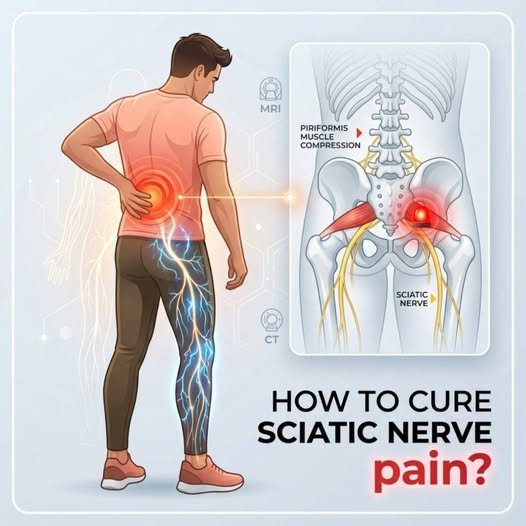
The image above illustrates a common and often debilitating condition: sciatic nerve pain. It shows a person clutching their lower back with a lightning bolt of pain radiating down their leg, alongside an anatomical illustration of the sciatic nerve emerging from the spine and traveling through the hip and leg.
Sciatica is not a disease itself but a symptom of an underlying condition affecting the sciatic nerve. It is characterized by pain that radiates from the lower back through the hips and buttocks and down each leg. Understanding the causes and available treatment options is the first step toward finding relief.
What Causes Sciatica?
The sciatic nerve is the longest nerve in the body, running from the lower back down to the feet. Several conditions can compress or irritate this nerve, leading to sciatica:
Herniated Disc: A disc in the spine bulges or ruptures, pressing on the nerve root.
Spinal Stenosis: Narrowing of the spinal canal puts pressure on the nerves.
Piriformis Syndrome: The piriformis muscle in the buttocks spasms and compresses the sciatic nerve.
Spondylolisthesis: A vertebra slips forward over another vertebra.
Injury or Infection: Rarely, trauma or infection can affect the nerve.
Symptoms of Sciatica
Sciatica typically affects only one side of the body. Common symptoms include:
Pain that radiates from the lower back to the buttock and down the back of the leg
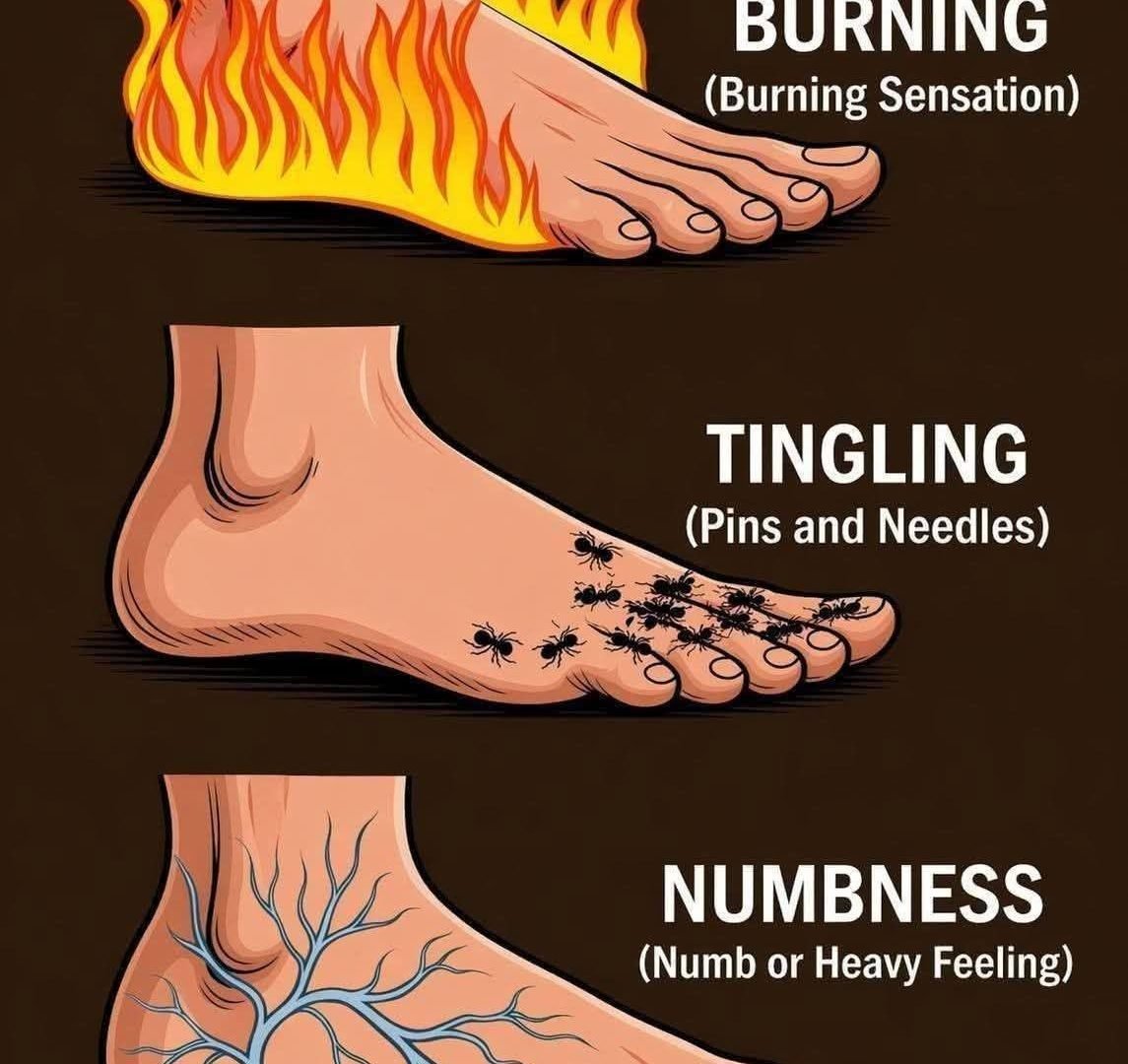
A burning, shooting, or electric-shock sensation
Numbness, tingling, or weakness in the affected leg
Pain that worsens with coughing, sneezing, or sitting for long periods
How to Treat Sciatica
The treatment for sciatica depends on the underlying cause and the severity of symptoms. Most cases improve with conservative care within a few weeks.
Self-Care and Home Remedies
Rest, but Keep Moving: Prolonged bed rest can worsen symptoms. Gentle movement and short walks are generally recommended.
Cold and Heat Therapy: Applying ice packs for the first 48 hours can reduce inflammation. After that, heat can help relax tense muscles.
Over-the-Counter Pain Relief: NSAIDs like ibuprofen can reduce pain and inflammation.
Stretching and Exercise: Gentle stretching of the lower back, hips, and hamstrings can relieve pressure on the nerve.
Physical Therapy
A physical therapist can design a targeted exercise program to strengthen the muscles supporting the spine, improve flexibility, and reduce nerve compression. This is often one of the most effective long-term solutions.
Medical Treatments
If conservative care does not provide relief, a doctor may recommend:
Prescription Medications: Muscle relaxants, anti-inflammatories, or nerve pain medications.
Epidural Steroid Injections: Cortisone injections directly into the affected area to reduce inflammation.
Surgery: In severe cases, surgery may be necessary to relieve pressure on the nerve.
When to See a Doctor
Seek immediate medical attention if you experience:
Sudden, severe pain in the lower back or leg
Loss of bladder or bowel control
Numbness in the groin area
Progressive weakness in the leg
Pain following a traumatic injury
These symptoms may indicate a medical emergency, such as cauda equina syndrome, which requires urgent treatment.
Preventing Sciatica
While not all cases are preventable, you can reduce your risk by:
Maintaining good posture
Exercising regularly to strengthen your core and back muscles
Avoiding prolonged sitting
Using proper lifting techniques
Maintaining a healthy weight
Conclusion
Sciatica can be painful and disruptive, but most people find relief with conservative care. If you are experiencing symptoms of sciatica, it is important to consult a healthcare professional for an accurate diagnosis and a personalized treatment plan.