Have You Ever Had the Urge to Scream or Move While Sleeping, But Couldn’t? Here’s What It Means
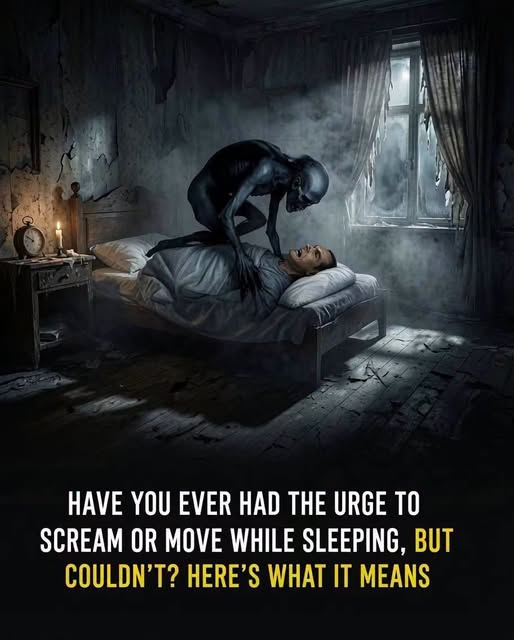
You wake up, but you can’t move. You try to scream, but no sound comes out. You feel like something is pressing down on your chest, and a shadowy figure lurks in the corner of your eye. It feels terrifyingly real — like a waking nightmare you can’t escape.
This phenomenon is called sleep paralysis, and it’s one of the most frightening and misunderstood sleep experiences. The image above captures that feeling perfectly: a dark, shadowy figure crouching over a helpless sleeper.
But what causes it? Is it dangerous? And why do so many people experience the same terrifying hallucinations? Here’s the truth. 👇
Disclaimer: This post is for informational purposes only and is not a substitute for professional medical advice. If you experience frequent sleep paralysis, consult a qualified healthcare provider or sleep specialist.
🔬 What Is Sleep Paralysis?
Sleep paralysis is a temporary inability to move or speak that occurs when you’re falling asleep or waking up. It happens during the transition between sleep and wakefulness.
Why it happens: During REM (rapid eye movement) sleep — the stage where you dream — your brain temporarily paralyzes your muscles to prevent you from acting out your dreams. This is called REM atonia.
Sleep paralysis occurs when your mind wakes up before your body does. You’re conscious, but your muscles are still locked in REM atonia. You’re aware of your surroundings, but you can’t move.
The hallucinations: The terrifying visions — the shadowy figures, the feeling of pressure on your chest — are called hypnopompic or hypnagogic hallucinations. They happen because your brain is still partially in a dream state, blending reality with the remnants of your dreams.
⚠️ What Causes Sleep Paralysis?
Sleep paralysis can happen to anyone, but it’s more common in people who:
Are sleep-deprived
Have irregular sleep schedules
Sleep on their back
Are under high stress or anxiety
Have narcolepsy
Have a family history of sleep paralysis
Take certain medications
Is it dangerous? Sleep paralysis itself is not dangerous. It doesn’t cause physical harm, and episodes usually last from a few seconds to a couple of minutes. However, it can be extremely distressing.
💡 What You Can Do About It
Don’t fight it: Fighting the paralysis can make it worse. Try to stay calm and remind yourself that it will pass.
Focus on your breathing: Even though you can’t move, you can usually control your breathing. Focus on slow, steady breaths.
Try to move a small muscle: Some people find that trying to wiggle a finger or toe can help break the paralysis.
Improve your sleep habits: Go to bed and wake up at the same time every day. Get 7–9 hours of sleep.
Reduce stress: Practice relaxation techniques before bed.
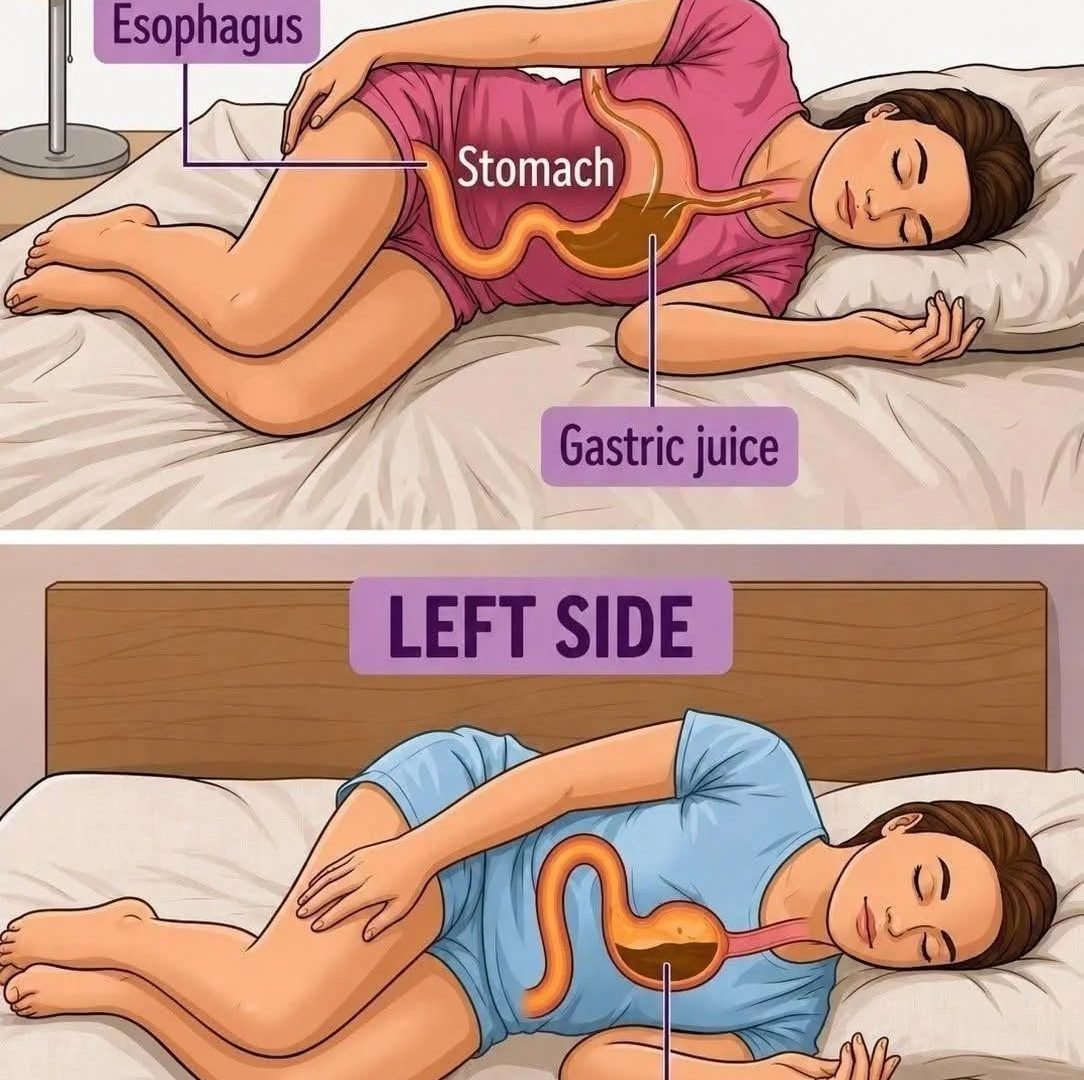
Avoid sleeping on your back: If you’re prone to sleep paralysis, try sleeping on your side.
See a doctor: If episodes are frequent or severely disruptive, talk to a sleep specialist.
❓ Frequently Asked Questions
What is sleep paralysis? It’s a temporary inability to move or speak that occurs when you’re falling asleep or waking up. It’s caused by a disruption in the sleep-wake cycle.
Is sleep paralysis dangerous? No — it’s not physically dangerous. But it can be terrifying. It usually passes within a few minutes.
Why do I see shadowy figures during sleep paralysis? These are hallucinations caused by your brain blending dream imagery with reality. They’re common during sleep paralysis.
Can sleep paralysis kill you? No — sleep paralysis cannot kill you. It’s a temporary state that resolves on its own.
How common is sleep paralysis? It’s estimated that about 8% of people experience sleep paralysis at some point in their lives.
Does sleep paralysis mean I have a mental illness? No — sleep paralysis can happen to anyone. However, it is more common in people with narcolepsy, anxiety, or PTSD.
What should I do during an episode? Try to stay calm, focus on your breathing, and remind yourself that it will pass. Some people find that trying to move a small muscle helps.
Can I prevent sleep paralysis? Yes — improving your sleep habits, reducing stress, and avoiding sleeping on your back can help.
When should I see a doctor? If you experience frequent episodes, or if they cause significant distress, see a sleep specialist.
Is sleep paralysis the same as a nightmare? No — nightmares happen during REM sleep. Sleep paralysis happens during the transition between sleep and wakefulness.