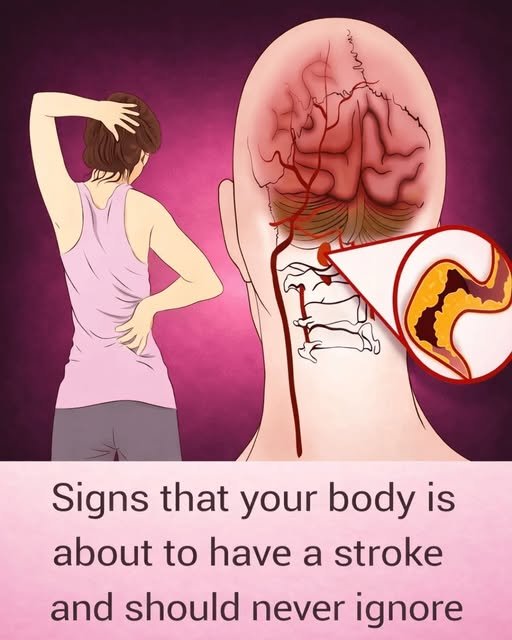
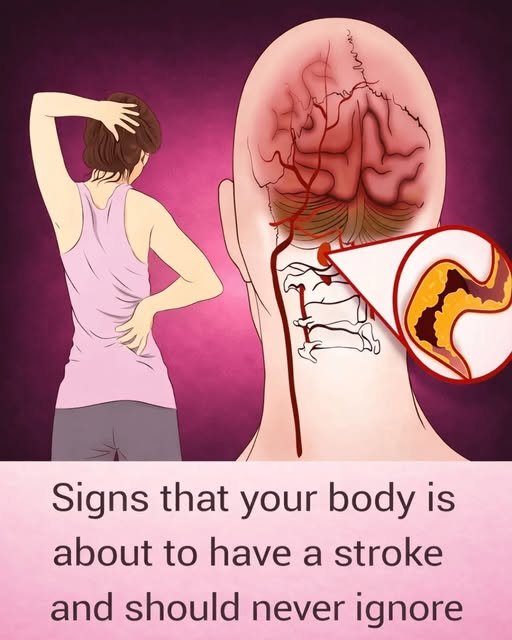
8 Warning Signs of Stroke That May Appear One Month Before + 9 Powerful Tips to Prevent It
7. Cognitive Confusion and 8. Fatigue and General Malaise
Cognitive changes in the pre-stroke phase can be subtle and easily attributed to aging or stress. Sudden confusion, disorientation, or memory lapses that are out of character for the individual can signal hypoperfusion in the frontal or temporal lobes. A person might forget where they are, lose track of a conversation mid-sentence, or exhibit uncharacteristic irritability or apathy. Unlike dementia, which progresses slowly over years, vascular cognitive changes can appear abruptly or fluctuate significantly from day to day. This “vascular fog” is the brain’s response to chronic or intermittent oxygen starvation, and it often precedes a more definitive event.
Profound, unexplained fatigue is a frequently overlooked warning sign, particularly in women. This isn’t ordinary tiredness relieved by sleep; it is a debilitating exhaustion that makes routine tasks feel impossible. Research suggests that women are more likely than men to experience non-traditional stroke symptoms like fatigue, hiccups, or chest pain in the weeks leading up to an event. This malaise may result from the heart working harder to pump blood through narrowed vessels or from the brain’s increased metabolic demand to compensate for ischemia. When fatigue is sudden, severe, and accompanied by any other neurological symptom, it should never be dismissed as “just getting older” or “burnout.”
Addressing the Image: Joint Pain and Skin Rashes as Vascular Signals
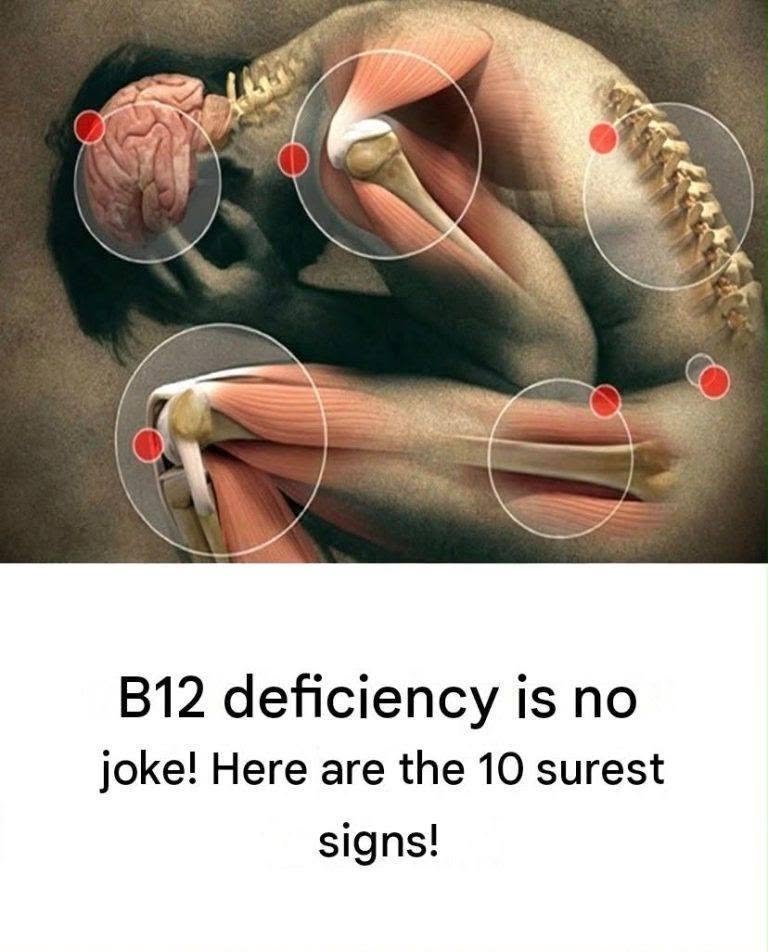
The image provided highlights joint pain (specifically in the elbow/shoulder) and skin rashes as early signs. It is crucial to contextualize these scientifically. Joint pain is not a classic symptom of ischemic stroke itself. However, it can be a sign of underlying conditions that cause stroke. For example, Giant Cell Arteritis (temporal arteritis) causes inflammation of blood vessels and can lead to jaw pain, scalp tenderness, and stroke; polymyalgia rheumatica causes shoulder and hip girdle pain and is linked to vascular inflammation. Additionally, referred pain from cervical artery dissection can sometimes be felt in the neck or shoulder. Therefore, while a sore elbow isn’t a stroke, new-onset joint pain in an older adult with vascular risk factors warrants investigation for vasculitis.
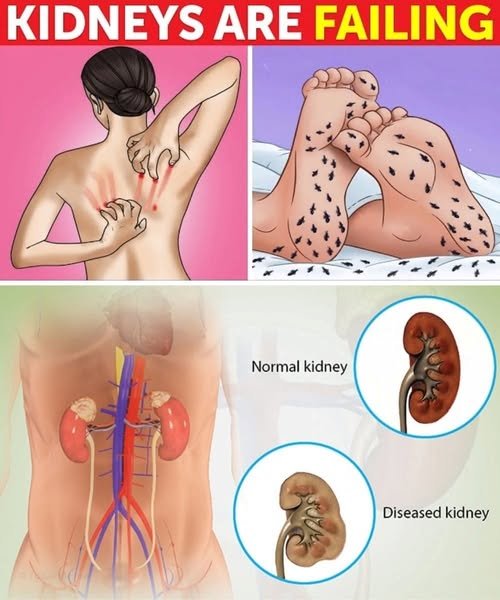
Skin rashes are similarly indirect. A rash is not a direct symptom of a brain clot. However, certain systemic diseases that increase stroke risk present with dermatological signs. For instance, livedo reticularis (a net-like purple rash) can indicate antiphospholipid syndrome or cholesterol emboli, both of which are pro-thrombotic states. Vasculitis (inflammation of blood vessels) can cause palpable purpura (red/purple spots) and significantly raise stroke risk. Furthermore, shingles (herpes zoster), which presents as a painful rash, has been epidemiologically linked to an increased risk of stroke in the month following infection due to viral-induced vascular inflammation. Thus, while a rash doesn’t mean a stroke is happening now, it can be a marker of a systemic condition that makes a stroke more likely soon.
9 Powerful Tips to Prevent Stroke
Prevention is the most effective treatment for stroke. Based on current clinical guidelines, here are nine powerful strategies:
Aggressive Blood Pressure Management: Hypertension is the single largest risk factor. Aim for a target below 130/80 mmHg. Regular monitoring and medication adherence are non-negotiable.
Anticoagulation for Atrial Fibrillation: If you have AFib, the risk of stroke increases fivefold. Direct oral anticoagulants (DOACs) or warfarin can reduce this risk by up to 70%. Do not skip doses.
Lipid Optimization: Statins do more than lower cholesterol; they stabilize plaque. For high-risk individuals, achieving an LDL level below 70 mg/dL (or even 55 mg/dL) is recommended to prevent plaque rupture.
Glycemic Control: Diabetes damages blood vessels over time. Maintaining an HbA1c below 7% reduces microvascular and macrovascular complications. Newer drugs like GLP-1 agonists also offer cardiovascular protection.
Smoking Cessation: Smoking doubles the risk of stroke. Quitting reduces this risk to near-normal levels within 5 years. There is no “safe” level of tobacco use for vascular health.
Mediterranean Diet Adoption: Rich in olive oil, nuts, fish, and vegetables, this diet has robust evidence for reducing stroke incidence. It lowers inflammation and improves endothelial function better than low-fat diets.
Regular Aerobic Exercise: Aim for 150 minutes of moderate-intensity exercise weekly. Exercise lowers BP, improves insulin sensitivity, and promotes collateral circulation in the brain.
Weight Management: Obesity, particularly visceral fat, drives inflammation and hypertension. Losing even 5-10% of body weight can significantly improve vascular metrics.
Sleep Apnea Treatment: Obstructive Sleep Apnea (OSA) causes nocturnal hypoxia and BP spikes. CPAP therapy has been shown to reduce cardiovascular events in compliant patients. Don’t ignore snoring.
Conclusion: Vigilance Without Panic
The month before a stroke is a window of opportunity, not a sentence. While the symptoms described here—from thunderclap headaches to subtle fatigue—are serious, they are also actionable. The presence of these signs does not guarantee a stroke will occur, but it does mandate a conversation with a healthcare provider. Modern medicine has tools to assess risk, from carotid ultrasounds to advanced cardiac monitoring, that can identify vulnerabilities before they become catastrophes. By combining awareness of these eight warning signs with the nine powerful prevention strategies outlined above, you shift the odds in your favor. Health is not just the absence of disease; it is the active maintenance of resilience. Listen to your body, respect its signals, and take empowered steps toward a healthier future.
Frequently Asked Questions
1. Can a stroke really happen a month after symptoms start? Yes. While many strokes happen immediately after a TIA, research shows that the risk remains elevated for weeks. A TIA is a warning that the vascular system is unstable. Without intervention (medication or surgery), the likelihood of a major stroke is highest in the first 48 hours but remains significantly above baseline for up to 90 days. This is why “waiting to see if it goes away” is dangerous.
2. Are joint pains and rashes definitely signs of a coming stroke? No, they are not definitive signs of a stroke itself. However, they can be signs of underlying conditions like vasculitis, autoimmune disorders, or infections (like shingles) that increase stroke risk. If you have new joint pain or a rash accompanied by neurological symptoms (dizziness, weakness), it requires urgent evaluation to rule out systemic vascular inflammation.
3. What is the difference between a TIA and a stroke? The difference is duration and permanence of damage. A TIA (Transient Ischemic Attack) causes stroke-like symptoms that resolve completely, usually within an hour, and leaves no permanent infarction on MRI. A stroke causes permanent tissue death. However, a TIA is a medical emergency because it predicts a future stroke; biologically, it is the same process, just interrupted.
4. Why do women experience different stroke warnings than men? Women often present with “non-traditional” symptoms like fatigue, hiccups, nausea, and chest pain, alongside or instead of classic weakness. Hormonal differences, smaller vessel size, and higher rates of certain conditions like fibromuscular dysplasia contribute to this. Clinicians must maintain a high index of suspicion for stroke in women presenting with vague systemic symptoms.
5. Can stress cause the “pre-stroke” symptoms? Stress raises blood pressure and heart rate, which can trigger symptoms in someone with existing vascular disease. However, stress alone does not cause a stroke. If stress is causing severe headaches or dizziness, it may be unmasking underlying hypertension or anxiety, but it is crucial to rule out organic vascular causes first. Never assume symptoms are “just stress” without a medical check.
6. How quickly should I go to the ER if I notice these signs? Immediately. Do not wait to see if symptoms persist. For TIA or stroke, “time is brain.” Even if symptoms resolve in 5 minutes, you need an emergency evaluation to determine the cause and start preventive treatment. Going to the ER within the first hour allows for the widest range of diagnostic and therapeutic options.
7. Are there blood tests to predict a stroke a month in advance? There is no single “stroke prediction” blood test. However, doctors use panels to assess risk: lipid profiles, HbA1c, inflammatory markers (CRP), and coagulation studies. Emerging biomarkers like GFAP (Glial Fibrillary Acidic Protein) and neurofilament light chain are being studied for early detection of brain injury, but they are not yet standard clinical tools for prediction.
8. Does taking aspirin daily prevent the “pre-stroke” phase? Aspirin is effective for secondary prevention (after a TIA or stroke) or for those with very high cardiovascular risk. It is generally not recommended for primary prevention in healthy adults due to bleeding risks. Whether you need aspirin depends on your specific risk profile; always consult a doctor before starting daily aspirin therapy.