8 Habits You Should Stop This Year If You Are Taking Amlodipine – And Why
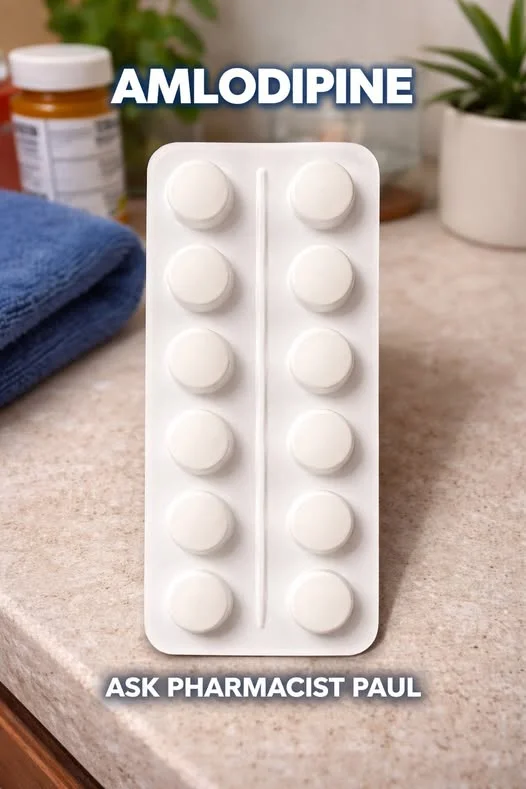
Amlodipine is one of the most commonly prescribed medications for managing high blood pressure and preventing angina. While it is effective for many people, its interaction with certain foods, drinks, and other medications can have a significant impact on how the drug works in your body.
If you are taking amlodipine, here are several habits worth reconsidering—not because the medication is inherently dangerous, but because these factors can amplify its effects or reduce its benefits.
1. Consuming Grapefruit and Grapefruit Juice
Grapefruit contains natural compounds called furanocoumarins that block the enzyme CYP3A4, which is responsible for breaking down amlodipine in the body. When this enzyme is blocked, the drug can accumulate to higher-than-intended levels in the bloodstream, increasing the risk of excessive dizziness, flushing, or dangerously low blood pressure. The NHS advises avoiding grapefruit and its juice entirely while taking amlodipine. Seville oranges and tangelos can have a similar effect, though regular navel or Valencia oranges are generally safe.
2. Drinking Alcohol Without Caution
Alcohol dilates blood vessels independently and, when combined with amlodipine, can cause blood pressure to drop more than intended. This increases the risk of dizziness, falls, and fainting, particularly in older adults. The American Heart Association and American College of Cardiology guidelines recommend that adults aim for no alcohol consumption; if they do drink, women should limit intake to no more than one unit per day and men to no more than two units per day.
3. Taking Certain Medications Without Checking
Several categories of prescription and over-the-counter drugs can interact with amlodipine. Strong CYP3A4 inhibitors—including the antibiotic clarithromycin, the antifungal ketoconazole, and HIV medications like ritonavir—can raise amlodipine levels significantly. On the other hand, CYP3A4 inducers such as rifampin and the herbal supplement St. John’s Wort can reduce amlodipine’s effectiveness. Nonsteroidal anti-inflammatory drugs (NSAIDs) like ibuprofen and naproxen may cause fluid retention and partially offset the blood-pressure-lowering benefits of amlodipine. Always disclose your full medication list to your healthcare provider.
4. Ignoring a High-Sodium Diet
Excess salt causes fluid retention and raises blood pressure, essentially working against amlodipine’s therapeutic effect. The 2025 AHA/ACC hypertension guidelines recommend reducing sodium intake to below 2,300 mg per day, with an ideal target of under 1,500 mg per day. This means paying attention not just to salt added during cooking, but also to sodium in packaged and processed foods.
5. Consuming Too Much Caffeine
Caffeine is not a direct interaction with amlodipine, but it can temporarily raise blood pressure in some people. The AHA/ACC guidelines recommend limiting caffeine to less than 300 mg per day and avoiding more than one cup daily for those with severe, uncontrolled hypertension. If you notice palpitations, restlessness, or a noticeable rise in blood pressure after consuming caffeine, consider reducing your intake and discussing it with your healthcare provider.
6. Stopping the Medication Without Medical Guidance
Suddenly stopping amlodipine without talking to your doctor can be risky. While it rarely causes rebound hypertension, uncontrolled blood pressure can return quickly and put you at risk. If you are experiencing side effects or have concerns about the medication, speak with your prescriber before making any changes.
7. Neglecting Regular Blood Pressure Monitoring
Amlodipine can occasionally cause low blood pressure, especially if you have had a stroke or take other blood pressure-lowering drugs. Regular monitoring helps ensure that your blood pressure remains within a safe range and allows your healthcare provider to make adjustments if needed.
8. Overlooking Serious Symptoms
While most people take amlodipine without problems, rare but serious side effects can occur. These include severe allergic reactions, liver injury (signs include dark urine, light-colored stools, nausea, or yellowing of the eyes or skin), and Stevens-Johnson syndrome, a serious skin condition. If you experience any of these symptoms, stop the medication and seek medical attention immediately.
The Bottom Line
Amlodipine is a well-established medication that helps millions of people manage their blood pressure. The habits listed above are not necessarily prohibitions for everyone, but they are worth being aware of and discussing with your healthcare provider. By staying informed and communicating openly with your doctor or pharmacist, you can help ensure that your treatment is both safe and effective.