5 Surprising Causes of Weak Legs in Seniors and How to Address Them
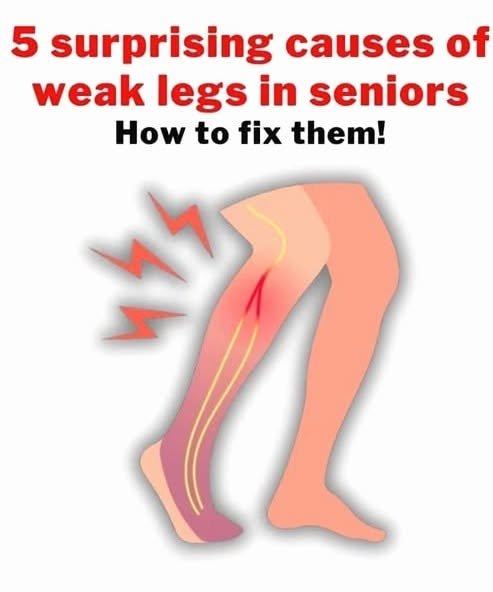
The image above features an illustration of a leg with a highlighted area of pain and lightning bolts, accompanied by the text: “5 surprising causes of weak legs in seniors. How to fix them!”
Weakness in the legs is a common complaint among older adults, and it can significantly impact mobility, independence, and quality of life. While it is tempting to attribute leg weakness solely to aging, there are often specific, treatable underlying causes. Understanding these causes is the first step toward finding solutions.
1. Muscle Loss (Sarcopenia)
One of the most common causes of leg weakness in seniors is sarcopenia, the natural loss of muscle mass and strength that occurs with age. After age 50, adults can lose up to 1-2% of their muscle mass per year. This can lead to difficulty walking, climbing stairs, and maintaining balance.
How to address it: Resistance training and weight-bearing exercises are the most effective ways to slow and even reverse muscle loss. Even simple activities like walking, tai chi, or using resistance bands can help maintain strength.
2. Nerve Damage (Peripheral Neuropathy)
Peripheral neuropathy is a condition where the nerves that carry signals to and from the legs are damaged. It can cause weakness, numbness, tingling, and a loss of coordination. Diabetes is a leading cause of neuropathy, but it can also result from vitamin deficiencies, certain medications, or other health conditions.
How to address it: Managing underlying conditions like diabetes is crucial. Physical therapy can help improve balance and strength. In some cases, treating vitamin deficiencies or adjusting medications can improve symptoms.
3. Poor Circulation (Peripheral Artery Disease)
Peripheral artery disease (PAD) occurs when narrowed arteries reduce blood flow to the legs. This can cause cramping, weakness, and fatigue in the legs, especially during physical activity. It is a common condition in older adults, particularly those with a history of smoking, high blood pressure, or high cholesterol.
How to address it: Lifestyle changes such as quitting smoking, exercising regularly, and managing cholesterol and blood pressure are important. In some cases, medications or medical procedures may be necessary to improve blood flow.
4. Medication Side Effects
Many medications commonly prescribed to seniors can cause muscle weakness or fatigue as a side effect. Statins (for cholesterol), beta-blockers (for blood pressure), and certain diabetes medications are among the drugs that can contribute to leg weakness.
How to address it: If you suspect a medication is contributing to weakness, do not stop taking it without consulting your doctor. They can review your medications and adjust the dosage or switch to an alternative if needed.
5. Nutritional Deficiencies
Deficiencies in key nutrients, such as vitamin D, vitamin B12, and potassium, can contribute to muscle weakness and fatigue. Older adults are at higher risk of these deficiencies due to changes in diet, absorption, and sun exposure.
How to address it: A balanced diet rich in fruits, vegetables, lean proteins, and dairy can help. Your doctor can check for deficiencies through blood tests and recommend supplements if necessary.
When to See a Doctor
Leg weakness in seniors should not be dismissed as a normal part of aging. If you or a loved one is experiencing persistent weakness, difficulty walking, or a sudden change in mobility, it is important to consult a healthcare professional. They can help identify the underlying cause and develop a treatment plan.
Conclusion
Weak legs in seniors can have a variety of causes, many of which are treatable. By understanding these potential causes and seeking appropriate medical advice, older adults can take steps to maintain their strength, mobility, and independence.