3 Exercises to Relieve Sciatica Leg Pain: Practical and Effective Movements for Lasting Relief
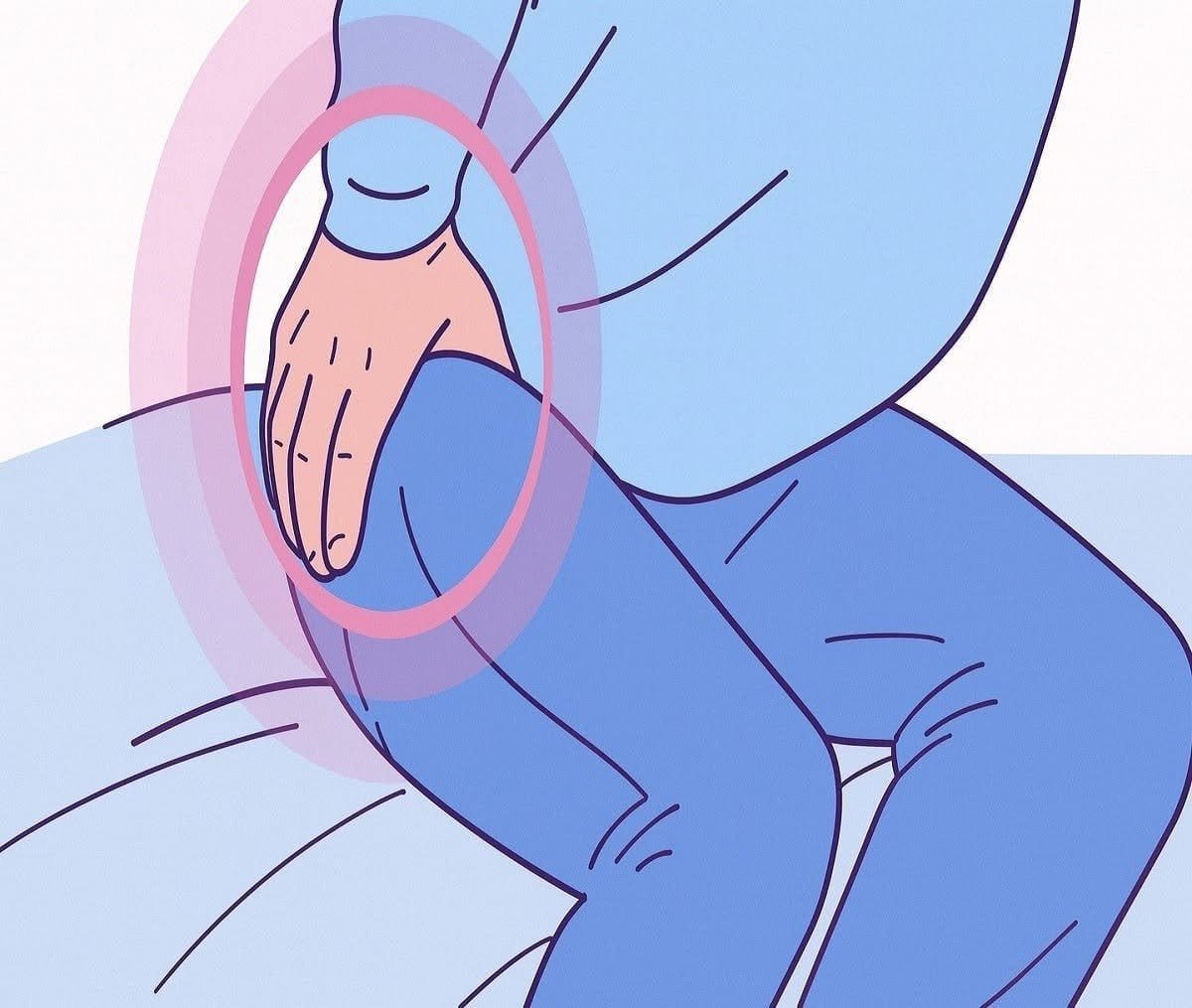
The second essential movement is the Supine Sciatic Nerve Glide, a neural mobilization technique designed to improve the nerve’s ability to slide freely through surrounding tissues rather than stretching it aggressively. Lie on your back with one knee bent and foot flat on the floor. Grasp the back of your thigh with both hands, keeping your knee at approximately 90 degrees. Slowly straighten your knee until you feel a mild tension (not pain) in the back of your leg, then simultaneously point your toes away from you (plantarflexion). As you bend your knee back to the starting position, pull your toes toward your shin (dorsiflexion). This coordinated rhythm creates a flossing effect, encouraging the sciatic nerve to move proximally and distally within its sheath, breaking up adhesions and reducing mechanosensitivity.
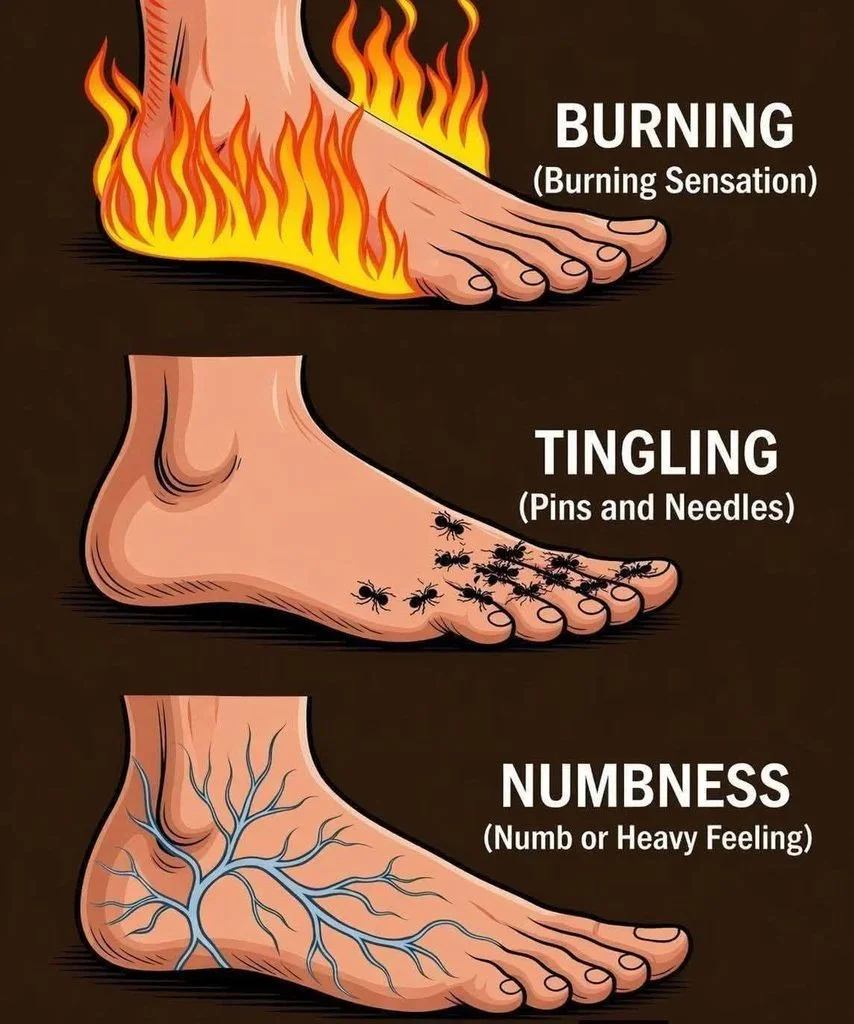
Unlike traditional hamstring stretches which can irritate an already inflamed nerve by placing excessive tensile load, nerve glides prioritize movement over intensity. The key is to stay well below the threshold of pain; a sensation of mild pulling or tingling is acceptable, but sharp or burning sensations indicate you are overstressing the neural tissue. Perform ten to fifteen repetitions slowly, focusing on smooth, rhythmic motion rather than holding end-range positions. This exercise addresses the dynamic component of sciatica; nerves need to glide millimeters with every step we take, and when they become tethered by inflammation or scar tissue, normal movement becomes painful. Regular gliding restores this physiological sliding capacity, desensitizing the nerve over time. It is particularly beneficial for residual symptoms after acute pain has subsided, helping to prevent recurrence by maintaining neural mobility during the healing phase. Always coordinate breath with movement, exhaling during the straightening phase to promote relaxation and reduce guarding.