10 Warning Signs Your Kidneys Are in Danger: What Your Body Is Trying to Tell You
1. Swelling in the Legs, Ankles, and Feet (Edema)
The visual of the swollen legs in the viral image is one of the most recognizable signs of kidney trouble. When your kidneys are failing, they cannot effectively remove excess fluid and sodium from your body. This fluid accumulates in the tissues, a condition known as edema.
Gravity causes this fluid to pool in the lower extremities, making your ankles, feet, and legs look puffy and feel tight. You might notice that your shoes feel tighter than usual, or that pressing a finger into your swollen ankle leaves an indentation (pitting edema). Edema can also occur in the hands and face.
2. Lower Back Pain (Flank Pain)
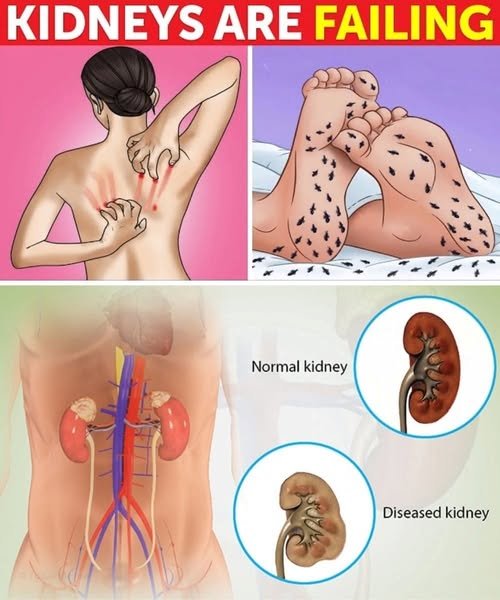
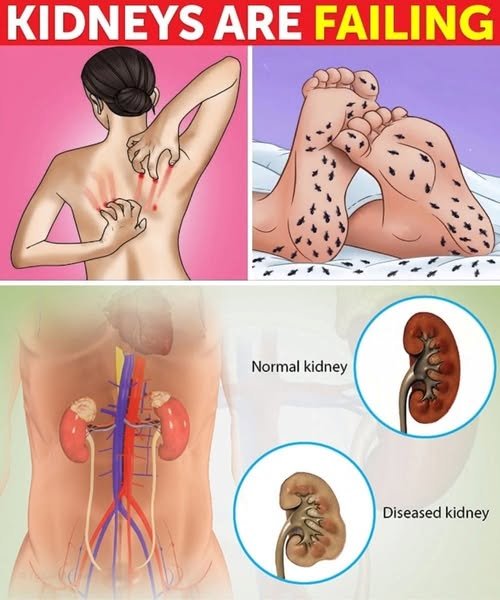
The image of the person holding their lower back perfectly illustrates another warning sign. The kidneys are located in the “flank” area—the back of the abdomen, just below the rib cage, one on each side of the spine.
While the vast majority of back pain is muscular, certain types of kidney problems cause distinct back pain. Polycystic kidney disease (PKD), a genetic condition where cysts grow in the kidneys, can cause a dull ache or severe pain in the back or sides. Kidney stones can cause excruciating, spasmodic pain that radiates from the back to the groin. Infections of the kidney (pyelonephritis) also cause severe localized back pain, often accompanied by fever.
3. Dry, Itchy, and Irritated Skin
The third prominent visual in the image is an arm covered in a red, itchy rash. This is a direct consequence of kidney failure known as uremic pruritus (chronic kidney disease-associated pruritus).
As the kidneys fail to filter waste, toxins like urea and creatinine build up in the bloodstream. These toxins act as irritants to the skin, causing intense, persistent itching. The skin may also become dry and flaky due to reduced sweat and sebaceous gland secretions.
4. Changes in Urination
The kidneys’ primary function is to produce urine, so changes in your urinary habits are often among the first signs of trouble. This is a broad category that includes several distinct symptoms:
Nocturia: Needing to wake up multiple times during the night to urinate is a classic sign of declining kidney function.
Foamy Urine: If your urine is consistently foamy or bubbly, it indicates the presence of proteinuria—protein leaking from the kidneys into the urine. Damaged nephrons lose their ability to hold onto large proteins like albumin.
Blood in Urine (Hematuria): Urine that is pink, red, or cola-colored indicates bleeding somewhere in the urinary tract, which can be caused by kidney disease or infection.
Changes in Output: In advanced stages, urine output may decrease significantly, or conversely, some types of kidney disease cause excessive urination.
5. Fatigue and Weakness
Feeling tired or weak is one of the most common and earliest signs of kidney failure, but it is also the easiest to ignore.
When kidneys are damaged, they produce less erythropoietin (EPO), a hormone that signals the bone marrow to produce red blood cells. Without enough EPO, you develop anemia, meaning your blood carries less oxygen to your tissues and muscles. This causes profound fatigue that is not alleviated by sleep or rest.
6. Shortness of Breath
When kidney function declines, fluid can accumulate not just in the legs, but also in the lungs. This condition, called pulmonary edema, causes shortness of breath, especially when lying flat.
Additionally, anemia (caused by lack of EPO) reduces the oxygen-carrying capacity of the blood, forcing your heart and lungs to work harder to meet the body’s oxygen demands.
7. Puffiness Around the Eyes
If you wake up with puffy eyes every morning, it could be a sign that your kidneys are leaking protein into the urine. Because protein helps keep fluid within blood vessels, losing it can cause fluid to seep into the surrounding tissues, particularly in the delicate skin around the eyes.
8. Metallic Taste in the Mouth and Bad Breath
The buildup of urea in the blood (uremia) causes a cascade of symptoms, one of the most unpleasant being a persistent metallic or ammonia-like taste in the mouth. Bacteria in the mouth break down urea into ammonia, leading to foul-smelling breath that is resistant to brushing and mouthwash. This can also cause a loss of appetite and lead to unexpected weight loss.
9. Nausea and Vomiting
As toxic waste products accumulate in the bloodstream, they can severely irritate the lining of the stomach, leading to frequent nausea and vomiting. This is a sign that kidney failure is progressing and requires immediate medical attention.
10. Difficulty Concentrating and Brain Fog
The buildup of uremic toxins can cross the blood-brain barrier and affect cognitive function. Patients with advanced kidney disease often report difficulty concentrating, memory problems, and a general “brain fog.” Anemia also contributes to this cognitive decline by depriving the brain of much-needed oxygen.
Who Is Most at Risk?
While anyone can develop kidney disease, certain populations are at a significantly higher risk.
Diabetes: The leading cause of chronic kidney disease. High blood sugar damages the blood vessels in the kidneys.
High Blood Pressure: The second leading cause. Hypertension damages the delicate filters of the kidneys, leading to scarring.
Age: The risk of kidney disease increases significantly after the age of 60.
Family History: If you have a close family member with kidney failure, you are at higher risk.
NSAID Use: Chronic use of non-steroidal anti-inflammatory drugs (like ibuprofen or naproxen) can damage the kidneys.
Cardiovascular Disease: People with heart disease are at an elevated risk for kidney problems.
How to Protect Your Kidneys
If you recognize any of the 10 signs above, or if you have risk factors, the most important step is to see a doctor. They can perform a simple blood test (eGFR) and a urine test (ACR) to assess your kidney function.
To protect your kidneys proactively:
Manage Diabetes and High Blood Pressure: Keep your blood sugar and blood pressure strictly within target ranges.
Stay Hydrated: Drink adequate water, but do not overdo it. Listen to your body and your doctor.
Eat a Kidney-Friendly Diet: Limit sodium, processed foods, and excessive protein.
Avoid Overusing Painkillers: Use NSAIDs sparingly and only as directed.
Quit Smoking: Smoking damages blood vessels, including those in the kidneys.
Conclusion: Listen to the Silent Signals
Your body is constantly communicating with you. The images of the swelling legs, the itchy skin, and the painful back are not just random complaints—they are potential red flags signaling that your kidneys might be in danger. By recognizing these 10 warning signs and understanding their biological roots, you can take a proactive, life-saving step toward protecting these vital organs. If something feels off, do not wait for the symptoms to worsen. Schedule a visit with your healthcare provider. A simple blood test today could preserve your kidney function for years to come.