10 Warning Signs of Clogged Arteries You Should Never Ignore
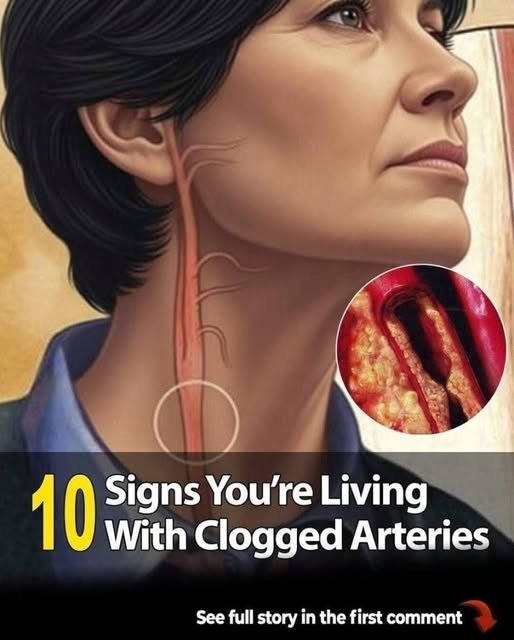
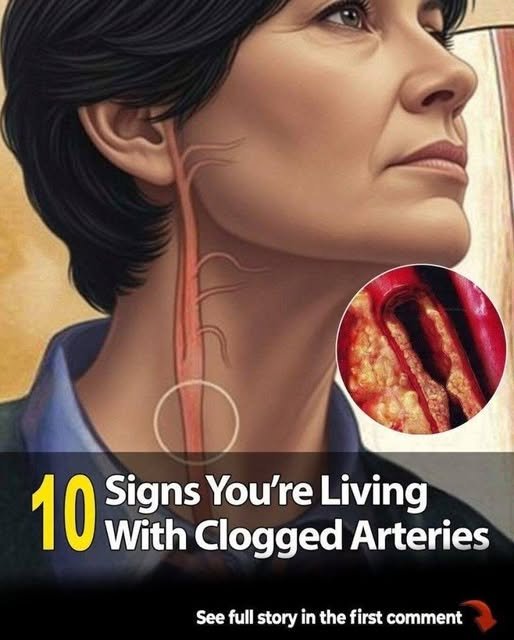
Clogged arteries, also known as atherosclerosis, is a serious condition where plaque builds up inside your arteries. This plaque is made of fat, cholesterol, calcium, and other substances found in the blood. Over time, this buildup narrows and hardens your arteries, restricting blood flow to your organs and limbs. The scary part is that it often develops silently for decades before showing any symptoms.
When symptoms do appear, it’s usually because the artery is so narrowed that it can’t supply enough blood to the organ it serves. This can lead to a heart attack or stroke. Recognizing the warning signs early can save your life.
10 Warning Signs of Clogged Arteries
Chest Pain (Angina): This is the most common sign of clogged arteries in the heart. You might feel pressure, squeezing, or pain in your chest, especially during physical activity or stress. It often subsides with rest.
Shortness of Breath: If your heart can’t pump enough blood to meet your body’s needs, you may feel winded doing simple tasks that used to be easy.
Pain in the Legs (Claudication): If you have pain, cramping, or heaviness in your legs or buttocks when you walk or climb stairs, it could be a sign of peripheral artery disease (PAD). This pain usually goes away with rest.
Coldness in the Legs or Feet: Reduced blood flow can make your extremities feel cold to the touch, even in warm weather.
Slow-Healing Sores: If you have a cut or sore on your leg or foot that doesn’t heal, it could be a sign that your circulation is compromised.
Dizziness or Lightheadedness: A lack of blood flow to the brain can cause you to feel dizzy or faint, especially when you stand up quickly.
Fatigue: Constant tiredness, especially in the legs, can be a sign that your heart is working harder than it should to pump blood.
Erectile Dysfunction: In men, clogged arteries in the pelvic region can reduce blood flow to the penis, making it difficult to achieve or maintain an erection.
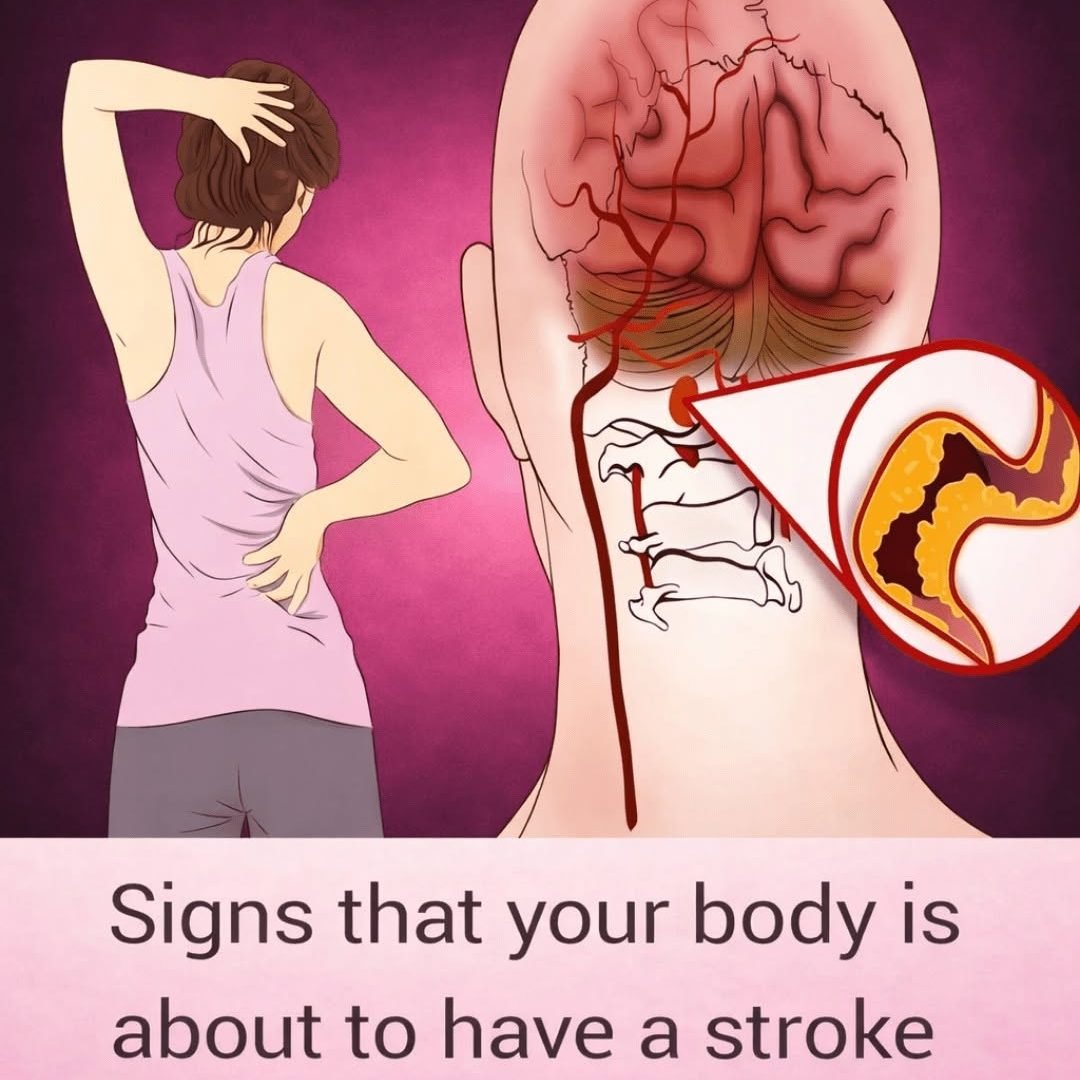
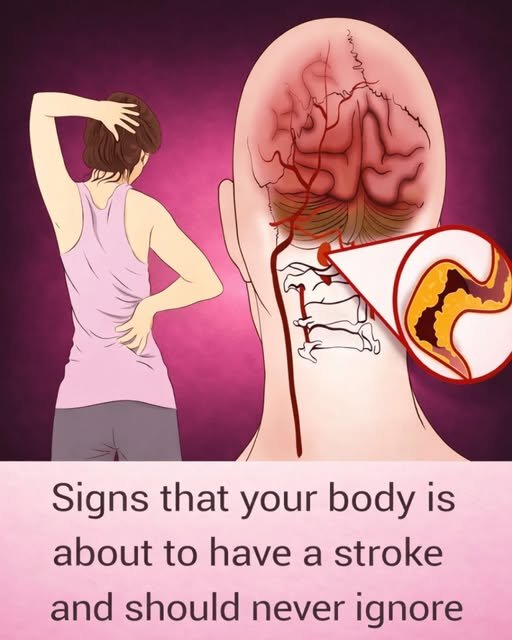
Numbness or Weakness: If plaque builds up in the arteries leading to your brain, you might experience sudden numbness or weakness in your face, arm, or leg—a classic sign of a stroke.
Visible Signs on the Body: Sometimes, you can see clues on your body. Look for a yellow-orange ring around the cornea of your eye (called arcus senilis) or a diagonal crease on your earlobe. These can be associated with an increased risk of heart disease.
What You Can Do
The good news is that you can slow down or even reverse the progression of atherosclerosis by making healthy lifestyle choices. The key is to manage your risk factors.
Eat a Heart-Healthy Diet: Focus on fruits, vegetables, whole grains, and lean proteins. Limit saturated fats, trans fats, and sodium.
Exercise Regularly: Aim for at least 30 minutes of moderate activity most days of the week.
Quit Smoking: Smoking damages your artery walls and accelerates the buildup of plaque.
Manage Stress: Chronic stress can contribute to high blood pressure and other risk factors.
Control Chronic Conditions: If you have high blood pressure, high cholesterol, or diabetes, work with your doctor to manage them effectively.
When to See a Doctor
If you experience any of the symptoms listed above, especially chest pain, shortness of breath, or sudden numbness, seek medical attention immediately. These could be signs of a heart attack or stroke. Even if your symptoms are mild, it’s important to get checked out. Your doctor can assess your risk and recommend a treatment plan.
Facebook Caption: 10 Signs You’re Living With Clogged Arteries. See more.