Why You Should Think Twice Before Hanging a Tea Towel on Your Oven Handle
In kitchens across the world, there is a silent, universally accepted tradition that almost every home cook participates in without a second thought. You finish washing a dish, dry your hands, and instinctively drape the damp tea towel over the gleaming metal handle of the oven door. It is the most convenient spot in the room—easily accessible, right in the center of the culinary action. It looks cozy, domestic, and practical.
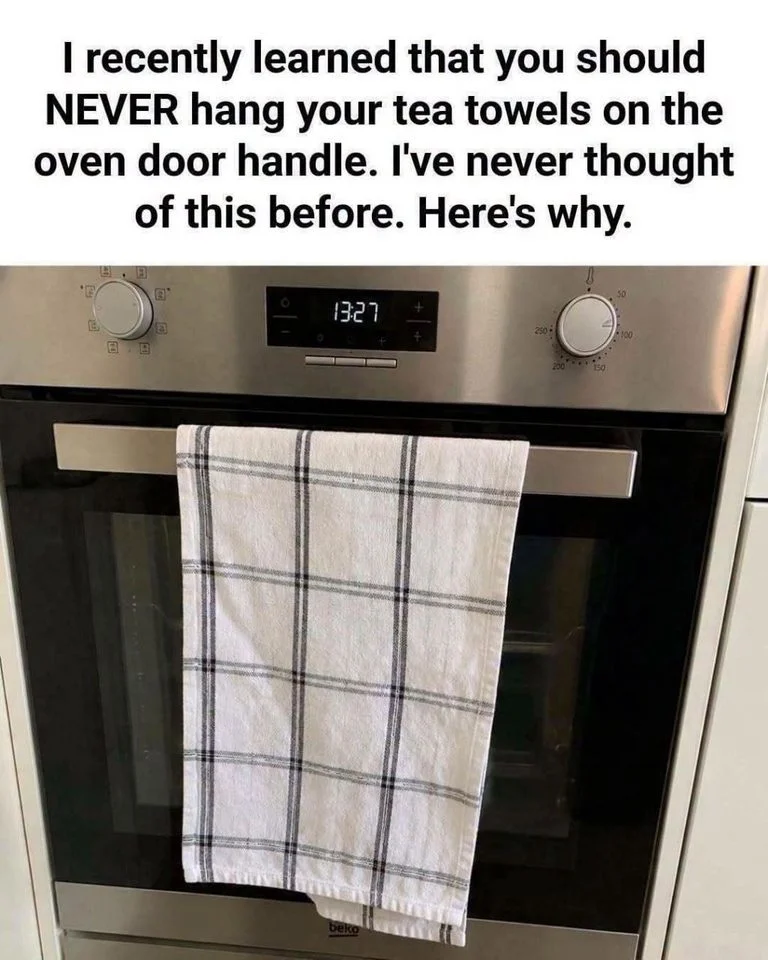
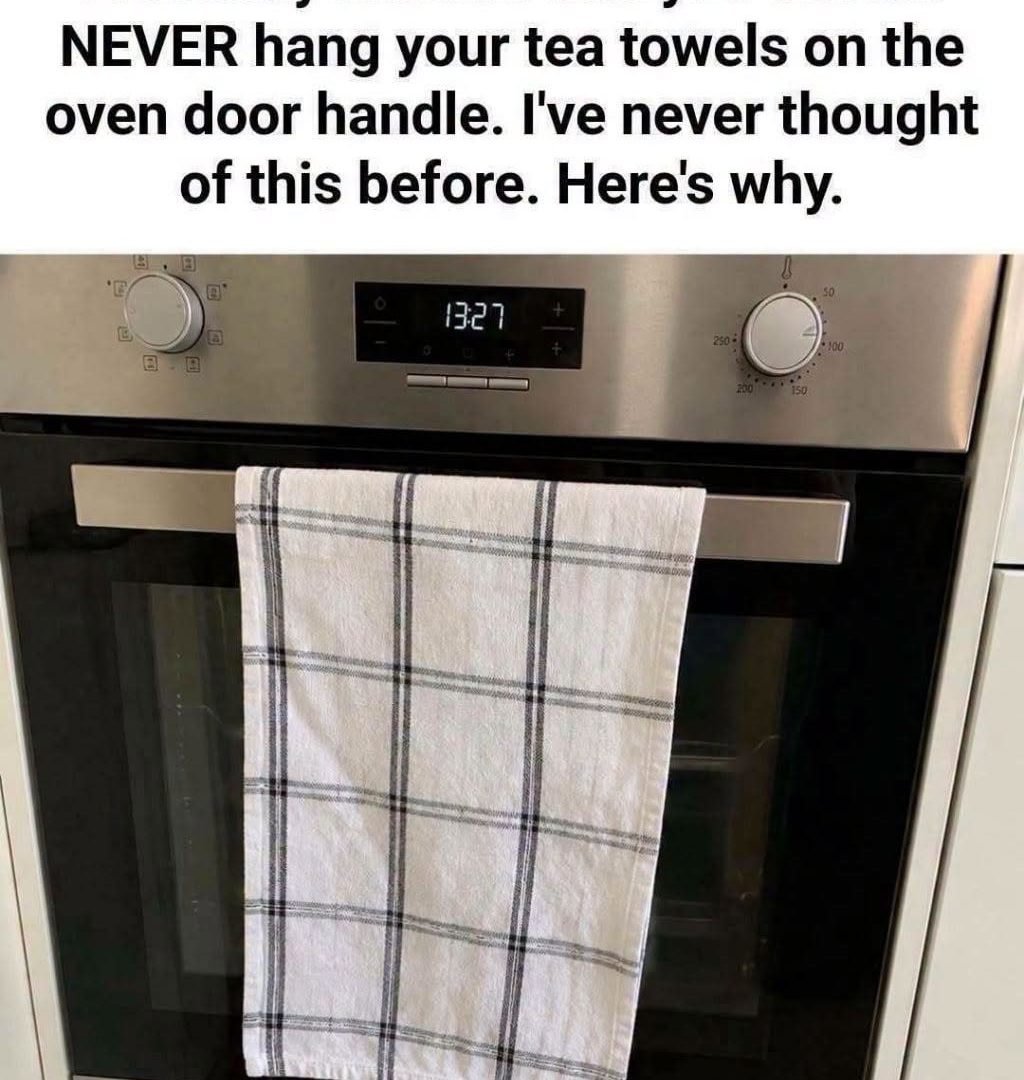
However, a viral social media post has recently challenged this deeply ingrained habit, sending a wave of realization through home cooks everywhere. The post reads: “I recently learned that you should NEVER hang your tea towels on the oven door handle. I’ve never thought of this before. Here’s why.”
The immediate reaction for many is disbelief or dismissal. After all, millions of people hang towels on their ovens every single day, and the house doesn’t burn down. Yet, beneath this seemingly harmless domestic habit lies a hidden web of safety hazards, hygiene nightmares, and appliance maintenance issues.
While it may be the most convenient place to stash a towel, the oven door handle is arguably the worst possible choice in the kitchen. The oven is a heat-generating appliance, and towels are highly flammable fabric designed to absorb moisture and grime. Mixing the two is a recipe for disaster. From the risk of catastrophic kitchen fires to the silent degradation of your expensive appliance, the reasons to break this habit are compelling and backed by physics, microbiology, and appliance repair experts.
This comprehensive guide will explore the hidden dangers of hanging tea towels on your oven handle. We will break down the fire hazards, investigate the bacterial breeding grounds, examine the mechanical damage to your oven, and provide safe, practical alternatives for kitchen towel storage.
The Primary Danger: A Severe Fire Hazard
The most critical and immediate reason to stop hanging tea towels on your oven door is the profound risk of fire. Kitchens are already the most common origin point for house fires, and introducing a highly combustible material directly to a heat source drastically increases that risk.
The Flammability of Kitchen Textiles
Tea towels are typically made of cotton, linen, or a blend of synthetic fabrics. These materials are incredibly absorbent, which is exactly what you want when drying dishes, but that same porous nature makes them highly combustible. Cotton, in particular, has a low ignition temperature.
Even if you are not actively baking at 450 degrees, the exterior of the oven door handle can become surprisingly hot due to the radiant heat escaping from the oven, especially on older models or those with faulty seals. Over time, the constant exposure to ambient heat can dry out the fabric, making it even more susceptible to catching fire.
The “Opening the Door” Flashover
The greatest fire risk occurs the moment you open the oven door. When you pull down the handle to check on a roasting chicken or a batch of cookies, a massive wave of concentrated heat billows outward. If a towel is hanging on that handle, it immediately flips inward or is engulfed by the sudden rush of hot air.
If the towel makes contact with the heating element at the top of the oven, the open flame of a gas stove, or even the intensely hot inner glass, it can ignite in seconds. A dangling corner of a towel can also easily drag across a hot burner on the stovetop if the oven is situated directly below it.
The Distracted Cook
The danger is compounded by human nature. When you open the oven door, you are usually distracted—focused on the food, wearing oven mitts, and trying not to burn yourself. You might step away for a moment to grab a spice or check a timer, leaving the oven door open and the towel hanging precariously close to the heat source. A momentary lapse in attention can lead to a devastating fire.
The Bacterial Breeding Ground: A Hygiene Nightmare
If the fire risk wasn’t enough, hanging a towel on the oven door is also a massive hygiene violation. The kitchen is a battleground for bacteria, and the oven handle is one of the most contested territories.
The Perfect Petri Dish
A tea towel serves many purposes: drying clean hands, wiping up a spill, drying a wet bowl, or grabbing a hot pan. Consequently, it becomes a transporter of bacteria, moisture, and organic matter. When you drape this damp, contaminated cloth over a warm oven door, you are creating the perfect environment for microbial growth.
Bacteria like E. coli, Salmonella, and Staphylococcus aureus thrive in warm, moist environments. The ambient heat radiating from the oven keeps the towel warm, while the moisture from your hands and the dishes keeps it damp. This is the exact formula for rapid bacterial proliferation.
Cross-Contamination at the Touch Point
Think about the journey of a single towel. You use it to wipe down a counter where raw meat was prepared, and then you hang it on the oven handle. The next person who comes into the kitchen grabs that same handle to open the oven, transferring bacteria directly onto their hands. Later, they might use those unwashed hands to chop a salad or grab a piece of bread.
Even if you use separate towels for hands and dishes (which you should), the one hanging on the oven is constantly exposed to the splatter of cooking fats, aerosolized food particles, and the general grime of the kitchen. It becomes a biological hazard masquerading as a helpful kitchen accessory.
The Silent Destruction of Your Appliance
Beyond the immediate risks to your health and safety, hanging a towel on the oven door is actively damaging your expensive appliance. Appliance repair technicians frequently cite this habit as a leading cause of preventable oven damage.
The Physics of the Hinges
An oven door is a heavy, precision-engineered piece of equipment. It is designed to balance perfectly on its hinges, ensuring a tight seal when closed. When you hang a wet towel on the handle, you are adding weight to a lever that was not designed to support it.
Over months and years, this constant, uneven downward pull takes a toll. The hinges can become loose, stripped, or bent. The door may begin to sag, failing to close properly. This leads to heat escaping from the oven, which wastes massive amounts of energy and results in uneven cooking. Your baked goods will suffer, and your utility bills will rise.
Damage to the Seals and Glass
A sagging door will inevitably compromise the rubber or fiberglass gasket (the seal) around the oven’s perimeter. When the seal is compromised, heat and grease escape, baking onto the exterior of the oven and the surrounding cabinetry.
Furthermore, the towel itself can cause direct damage. If the towel is wet, the moisture can seep into the small gaps of the handle assembly, leading to rust and corrosion of the internal screws and springs. If the towel is greasy, the residue can stain the stainless steel finish, which can be notoriously difficult to remove.
The Risk of Accidental Burns
When a towel is draped over a handle, it creates a large, dangling fabric surface area. This is a significant tripping and snagging hazard in the tight, busy workspace of a kitchen.
The Snag Factor
As you move around the kitchen, it is incredibly easy to catch your sleeve, your apron, or even a pan on the hanging towel. If you snag the towel while carrying a pot of boiling water or a heavy tray of food, the sudden pull can cause a catastrophic spill, leading to severe burns.
Reaching for the Towel
The primary function of a tea towel is to dry your hands or grab a hot surface. When it is hanging on the oven door, you have to reach directly over the hot surface of the open oven door to grab it. This puts your hands and arms dangerously close to the hot racks and the intense heat radiating from the oven’s interior. It is far too easy to accidentally brush your forearm against a scorching hot element while reaching for the towel.
The Splatter and Stain Problem
The oven is a messy appliance. When you roast a chicken, sear a steak, or bake a casserole, the heat causes fats and juices to pop and splatter.
The Grease Trap
The space directly in front of the oven door is in the primary splash zone. Any towel hanging on the handle is essentially a canvas for grease splatters, tomato sauce stains, and aerosolized oils. Over time, these stains become baked into the fibers of the towel, making them incredibly difficult to wash out.
A grease-soaked towel is not only unsightly and smelly, but it is also a massive fire hazard, as the buildup of cooking oils lowers the ignition temperature of the cotton fabric.
Proper Tea Towel Etiquette: Where Should They Go?
If the oven handle is a danger zone, where is the safest place to store your tea towels?
1. Wall-Mounted Hooks
Installing a simple row of wall-mounted hooks or a small towel rail on the backsplash or a nearby wall is the best solution. It keeps the towels accessible, allows them to air dry fully (preventing bacterial growth), and keeps them completely away from the heat source.
2. Drawer Handles
Hanging a towel on a drawer handle or a cabinet knob is a much safer alternative than the oven door. These handles are designed to bear the weight of a towel, and they are located away from direct heat. However, ensure the drawer is not opened frequently, as the towel can snag.
3. Under-Sink Storage
For drying dishes or wiping down surfaces, keep a fresh stack of towels neatly folded in a drawer near the sink. Reserve the hanging towels solely for drying hands, and wash them frequently.
4. A Freestanding Towel Stand
For those who love the look of a draped towel but want to eliminate the risk, a freestanding wooden or metal towel stand placed on the countertop is an elegant and safe choice.
The Importance of Towel Hygiene
Regardless of where you store your towels, maintaining their cleanliness is paramount to kitchen safety.
Change Them Daily: Kitchen towels should be changed every single day, and more often if you have been cooking raw meat or fish.
Use Different Towels: Invest in a color-coded system. Use one color for drying hands, another for drying dishes, and a third (preferably dark) for wiping up spills on the floor or counters.
Wash Them Hot: Wash kitchen towels in the hottest water setting recommended by the fabric care label. Use a heavy-duty laundry detergent and consider adding a laundry sanitizer to kill bacteria.
Bleach When Possible: For white cotton towels, a small amount of bleach can help sterilize the fabric and remove stubborn stains.
Conclusion: Break the Habit for a Safer Kitchen
The instinct to drape a tea towel over the oven handle is deeply ingrained in our domestic muscle memory. It is a habit born of convenience, but as we have seen, it is a habit fraught with hidden dangers. From the terrifying risk of a flash fire to the insidious growth of harmful bacteria, and the slow, grinding damage to your oven’s hinges, the reasons to stop are overwhelming.
The viral warning is not an overreaction; it is a vital piece of safety advice that every home cook should heed. By simply relocating your tea towels to a wall hook or a drawer handle, you can eliminate a major fire hazard, protect your family from foodborne illness, and extend the lifespan of your oven. A safe kitchen is an organized kitchen, and sometimes, the best change you can make is simply rethinking where you hang your towel.
Frequently Asked Questions
Is it really dangerous to hang a towel on the oven door?
Yes. It poses a significant fire risk. When the oven is on, the door handle can get hot, and opening the door releases intense heat. A dangling towel can easily catch fire if it touches the heating element, an open gas flame, or the hot inner glass.
Can hanging a towel on the oven door damage the oven?
Yes. Over time, the weight of a towel (especially a wet one) can strain the oven door hinges, causing the door to sag and the seal to fail. This leads to uneven cooking, wasted energy, and expensive repairs.
Why is it unhygienic to hang towels on the oven?
The heat from the oven creates a warm, damp environment that is perfect for bacterial growth. If the towel is used to dry hands or wipe counters, it can harbor harmful bacteria like Salmonella and E. coli, which can then spread to the oven handle and the rest of the kitchen.
Where should I hang my tea towels instead?
The safest places to hang tea towels are on wall-mounted hooks, a dedicated towel rail, or on cabinet and drawer handles away from the cooking zone.
How often should I wash my kitchen towels?
Kitchen towels should be washed frequently—ideally every day or every other day, depending on how much cooking you do. If you use a towel on raw meat juices, wash it immediately.
What should I do if a towel catches fire on the oven handle?
Never throw water on a kitchen fire. If a towel catches fire, turn off the heat source if it is safe to do so. If the fire is small, smother it with a metal lid or a fire blanket. If it is spreading, evacuate the house immediately and call emergency services.
Does this apply to gas ovens as well as electric ovens?
Yes, and it is arguably even more dangerous with gas ovens. The open flames on the stovetop or in the oven can easily ignite a dangling towel, leading to a rapid and severe fire.
Are there any safe ways to hang a towel on an oven?
There is no truly safe way to hang a towel directly on the oven door handle while the oven is in use. If the oven is completely turned off and cold, it is less of a fire hazard, but it is still unhygienic and puts unnecessary weight on the hinges. It is best to avoid the habit entirely.