The Blood Type Linked to a Higher Probability of Reaching 100: What the Science Actually Says
The Limitations of the Research: Why Blood Type Is Not Destiny
While the biological mechanisms are intriguing, it is crucial to approach the idea of blood type as a determinant of longevity with a healthy dose of skepticism. The research has significant limitations, and blood type is just one small piece of a very large puzzle.
The Problem of Correlation vs. Causation
The observational studies that link blood type to longevity show a correlation, not causation. They cannot prove that a specific blood type causes a longer life. It is possible that the observed associations are due to other factors that happen to be linked to both blood type and longevity. For example, certain blood types are more common in specific ethnic populations, and these populations may also have dietary or lifestyle habits that influence lifespan.
The Overwhelming Importance of Lifestyle
Perhaps the most important limitation is that the influence of blood type, even if real, is tiny compared to the influence of lifestyle factors. Study after study has shown that the choices we make every day have a far greater impact on our lifespan and healthspan than our genetic makeup.
The key pillars of longevity are well-established:
Diet: A balanced diet rich in fruits, vegetables, whole grains, and lean proteins, such as the Mediterranean diet, is consistently linked to a longer, healthier life.
Exercise: Regular physical activity, including both aerobic exercise and strength training, is one of the most powerful tools for preventing chronic disease and maintaining independence in old age.
Sleep: Quality sleep is essential for physical and mental restoration, hormone regulation, and immune function.
Stress Management: Chronic stress is a known risk factor for heart disease, and finding healthy ways to manage it is crucial for longevity.
Social Connection: Strong social ties and a sense of community are consistently associated with greater well-being and a longer life.
Avoiding Harmful Behaviors: Not smoking and limiting alcohol consumption are among the most impactful choices you can make for your health.
The Complexity of Longevity
Reaching 100 years of age is an incredibly complex phenomenon. It is the result of a combination of genetics, environment, lifestyle, and chance. Researchers in the field of longevity often talk about the “genetic lottery”—the idea that exceptional longevity may require a rare combination of protective genetic variants that are not yet fully understood. While blood type may be one of these variants, it is certainly not the only one, and it is not a guarantee of anything.
Blood Type and Health: Beyond Longevity
While the link between blood type and reaching 100 is uncertain, there is stronger evidence linking blood type to the risk of specific diseases. Understanding these associations can be valuable for personalized health awareness.
Cardiovascular Disease
The evidence is relatively consistent that non-O blood types (A, B, and AB) have a slightly higher risk of venous thromboembolism (blood clots) and coronary heart disease compared to type O. This is attributed to the higher levels of clotting factors in non-O blood. This does not mean that people with non-O blood are destined to have heart problems, but it does mean that they should be particularly diligent about managing other cardiovascular risk factors like blood pressure, cholesterol, and smoking.
Certain Cancers
Some studies have suggested associations between ABO blood type and the risk of certain cancers, particularly gastric cancer. Individuals with blood type A have been reported to have a slightly higher risk of gastric cancer, possibly related to the ABO antigens’ interaction with Helicobacter pylori, a bacterium that can cause stomach ulcers and cancer.
Infectious Diseases
Blood type can also influence susceptibility to certain infectious diseases. For example, individuals with type O blood appear to be somewhat more resistant to severe malaria, which may explain the high frequency of type O in regions where malaria is endemic. Conversely, blood type A has been associated with a higher risk of severe cholera.
Conclusion: A Glimpse into a Complex Puzzle
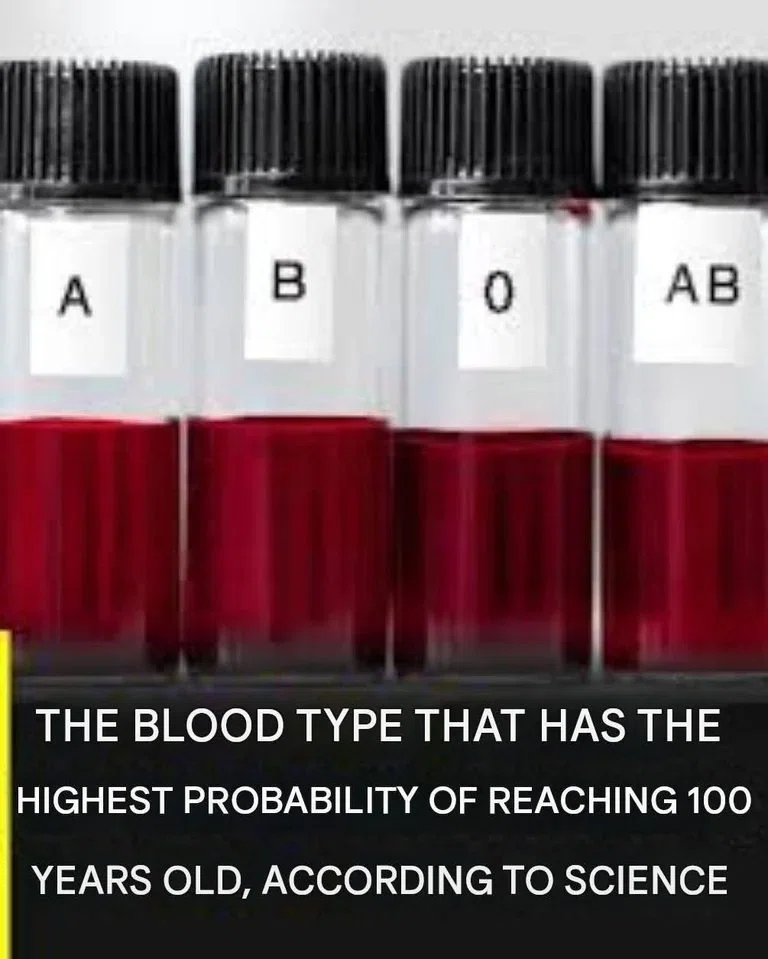
The viral image promising a clear link between blood type and reaching 100 years old is a tantalizing simplification of a deeply complex scientific question. The research paints a picture that is anything but clear-cut. We have compelling evidence from Japanese centenarian studies suggesting a potential advantage for type B, while large-scale genetic studies point to a protective effect for type O. At the same time, other research has found the opposite, linking type B to an earlier death.
What the science does tell us is that blood type is a fascinating biological factor that may have a modest influence on the risk of certain diseases. Its role in longevity, however, is likely to be small and dependent on a vast array of other genetic, environmental, and lifestyle factors. The most important takeaway is that your blood type is not your destiny. You cannot change your ABO status, but you have immense power over the factors that matter most: your diet, your activity level, your sleep, and how you manage stress. While researchers continue to unravel the subtle ways our blood type interacts with our health, the most reliable path to a long and healthy life remains the same for everyone, regardless of whether they are A, B, O, or AB.
Frequently Asked Questions
Which blood type is linked to the highest probability of reaching 100?
The science is conflicting. Some studies, particularly from Japan, suggest a higher frequency of blood type B among centenarians. Other large-scale genetic studies point to blood type O as being more common in people with exceptional longevity. There is no single, universally accepted answer.
Is blood type B really linked to living longer?
Some research (Shimizu et al., 2004) found blood type B was more common in a group of Japanese centenarians. However, other studies have found no link or have even suggested the opposite. The evidence is not definitive and may be specific to certain populations.
What does blood type O have to do with longevity?
People with blood type O have lower levels of certain clotting factors, which may reduce their risk of heart disease and strokes. Since cardiovascular disease is a leading cause of death, this protective effect could theoretically contribute to a longer lifespan.
Can your blood type determine how long you will live?
No. Blood type is just one of many factors, and its influence on lifespan is likely very small. Lifestyle factors such as diet, exercise, not smoking, and managing stress have a much more significant impact on how long and how well you live.
What are the health risks associated with different blood types?
Non-O types (A, B, AB): Slightly higher risk of blood clots and coronary heart disease due to higher clotting factor levels.
Type A: May have a slightly higher risk of gastric cancer.
Type O: Slightly higher resistance to severe malaria but a potentially higher risk of bleeding disorders.
Is there a diet that is best for my blood type?
The “Blood Type Diet,” which claims that different blood types should eat different foods, is not supported by scientific evidence. A balanced, nutrient-rich diet like the Mediterranean diet is beneficial for everyone, regardless of blood type.
How important is blood type for overall health?
Blood type is important for blood transfusions and pregnancy (Rh factor). For chronic disease risk and longevity, it is a minor factor compared to lifestyle choices. It is not something most people need to worry about for general health and wellness.