Stroke Warning Signs: What Symptoms Actually Appear Before a Stroke
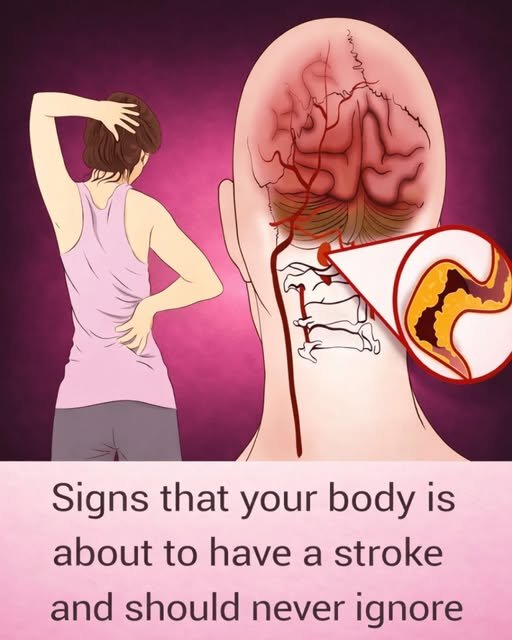
The image above pairs an illustration of kidneys with a swollen foot and the alarming claim that your body will give you warning signs “a month before” a stroke. This type of post is common on social media, but it merges symptoms from different conditions and overstates the timeline. The reality is more urgent: stroke symptoms typically appear suddenly, not gradually over a month, and the most reliable warning signs are neurological, not swelling in the feet.
The Myth of the “One Month” Timeline
Medical experts emphasize that the vast majority of strokes occur as acute events—a person is fine one moment and then develops symptoms the next . The idea that the body sends clear, identifiable signals a full month in advance is considered misleading.
However, there is a related concept called a transient ischemic attack (TIA), sometimes called a “mini-stroke.” In some cases, a person may experience brief neurological symptoms—such as weakness on one side or difficulty speaking—that resolve within minutes to hours . These episodes can occur days or weeks before a major stroke. A TIA is a serious warning sign and a medical emergency, but it is not a guaranteed “one-month” notice, and it should never be ignored .
The Real Warning Signs: Think FAST
The most reliable way to recognize a stroke is the FAST acronym, which focuses on the sudden onset of neurological symptoms :
Face: One side of the face may droop or feel numb. Ask the person to smile.
Arms: One arm may be weak or numb. Ask them to raise both arms and see if one drifts down.
Speech: Speech may be slurred, or the person may struggle to find words or understand what is being said.
Time: If any of these signs are present, call emergency services immediately.
Other sudden symptoms include :
Sudden vision loss or blurred/double vision in one or both eyes.
Sudden dizziness, loss of balance, or difficulty walking.
A sudden, severe headache with no known cause.
Sudden confusion or trouble understanding speech.
What About the Kidneys and Swollen Feet?
The image’s focus on kidneys and foot swelling is misleading in the context of stroke. Swelling in the feet and ankles (edema) can be associated with kidney problems, heart issues, liver disease, or circulation problems . While kidney disease and cardiovascular disease share risk factors like high blood pressure and diabetes, swollen feet are not a recognized early warning sign of a stroke.
Stroke is a brain event caused by a blockage or rupture of a blood vessel. Its warning signs are neurological—affecting movement, sensation, speech, and vision—not swelling in the extremities.
What You Should Do
If you or someone else experiences any of the sudden symptoms listed above, do not wait to see if they improve. Call emergency services immediately. Even if symptoms resolve on their own, they may be a TIA indicating a high risk of a major stroke in the following hours or days .
The most effective way to protect yourself is to know the real signs, act quickly, and manage underlying risk factors like high blood pressure, diabetes, and smoking with your doctor. Social media posts that combine unrelated symptoms can create confusion and delay proper care. Trust the established neurological warning signs—and when in doubt, treat it as an emergency.