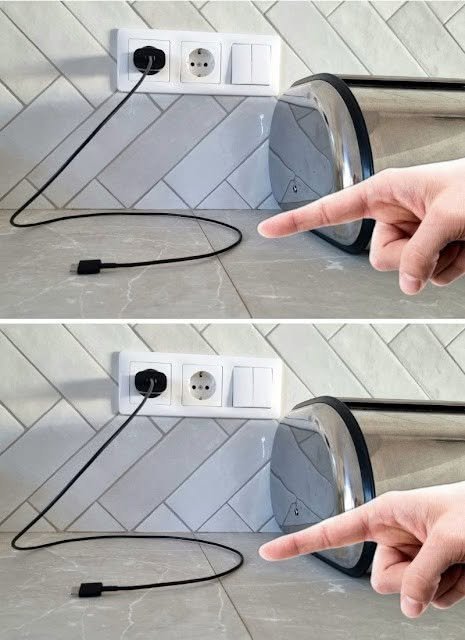
NEVER LEAVE A CHARGER IN AN OUTLET WITHOUT YOUR PHONE: I’ll Reveal the 3 Main Reasons Why!
Meta Description: Do you leave your phone charger plugged in when you’re not using it? You might be risking a fire hazard and wasting money. Discover the 3 main reasons you should always unplug your charger.
Introduction
We’ve all been there. You finish charging your phone, unplug the cable from the device, but leave the adapter plugged into the wall outlet “just in case” you need it later. It seems like a harmless convenience.
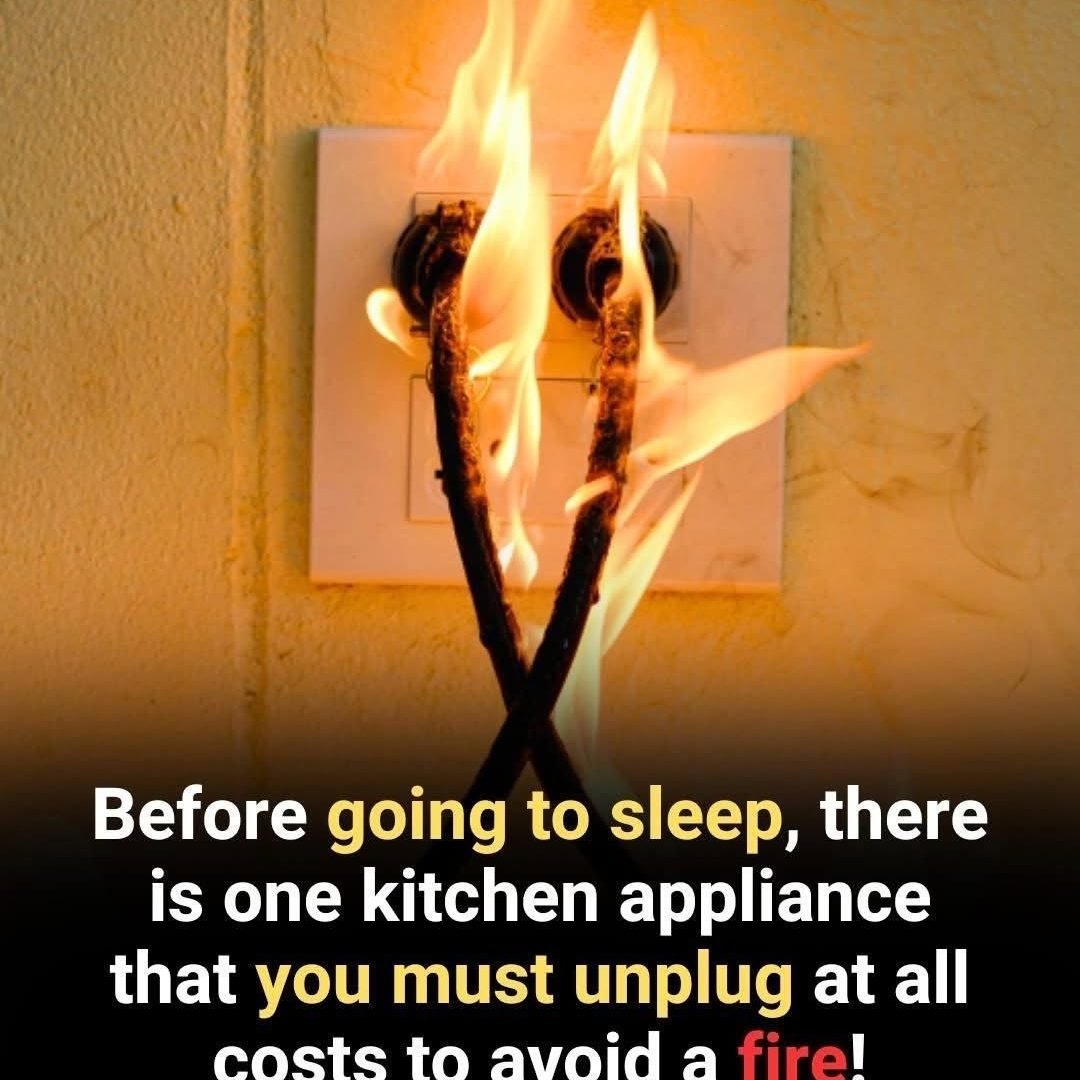
But as the image above suggests, this common habit might be putting your home and your wallet at risk. Electrical safety experts and energy auditors strongly advise against leaving chargers plugged in without a device attached.
Why? Because that little brick is doing more than just sitting there. Here are the 3 main reasons you should never leave a charger in an outlet without your phone.
1. It’s a Hidden Fire Hazard 🔥
This is the most critical reason to unplug your charger.
Phone chargers contain a small transformer that converts the high-voltage alternating current (AC) from your wall outlet into the low-voltage direct current (DC) your phone needs.
Constant Energy Flow: Even when no phone is attached, the charger is still drawing a small amount of electricity to keep its internal circuitry active and ready.
Heat Generation: This continuous flow of electricity generates heat. While a high-quality charger in good condition might only get slightly warm, the risk increases significantly if:
The charger is cheap, counterfeit, or damaged.
The charger is covered by a blanket, pillow, or tucked behind furniture where heat can’t dissipate.
There is a power surge in your home’s electrical grid.
Over time, this constant heat can degrade the internal components, melt the plastic casing, and in worst-case scenarios, spark an electrical fire.
2. You Are Paying for “Vampire Power” 💸
That tiny light or the faint hum you sometimes hear from a plugged-in charger? That’s the sound of your electricity meter spinning.
Phantom Load: Electronics that draw power even when turned off or not in use are consuming what is known as “vampire power” or “phantom load.”
The Cost: While a single phone charger only consumes a tiny amount of power (usually less than a watt) when idle, it still adds up. If you have multiple chargers, laptop bricks, and appliance cords plugged in around the house 24/7, phantom load can account for up to 10% of your monthly electricity bill.
Unplugging your charger when you aren’t using it is a simple, zero-effort way to stop throwing money away.
3. It Reduces the Charger’s Lifespan and Creates Safety Risks ⚡
Leaving a charger constantly plugged in subjects its internal components to continuous electrical stress.
Wear and Tear: The capacitors and other tiny parts inside the charger are constantly active. Over months and years, this degrades the charger much faster than if it were only plugged in when needed. A degraded charger is more likely to fail, stop working, or become dangerous.
The “Dangling Cable” Danger: As seen in the photo, leaving a charger plugged in often means leaving the cable end exposed on a counter or floor. This creates a tripping hazard for you, and a severe chewing/choking hazard for pets and small children. Pets chewing on a live USB cable can suffer fatal electrical shocks or burns.
The Bottom Line: Unplug It!
It takes exactly one second to pull a charger out of the wall. By making this a habit, you:
Eliminate a potential fire risk in your home.
Save money on your electricity bill.
Make your chargers last longer and keep your pets and kids safe.
Next time you grab your phone off the charger, take the adapter with you. Your home will be safer for it!
Disclaimer: This article is for informational and safety awareness purposes only. Always follow the manufacturer’s guidelines for your electronic devices and consult a licensed electrician if you have concerns about your home’s wiring or outlets.