Drinking Water on an Empty Stomach Immediately After Waking Up: Health Benefits, Heart Health, and What Science Really Says
6. Understanding the Heart Attack Illustration in the Image
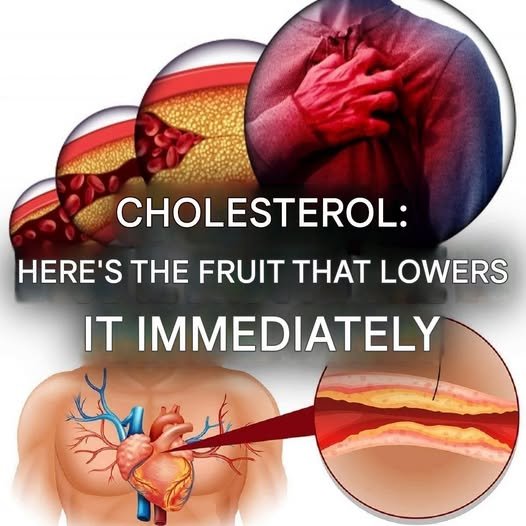
The supplied image shows an illustration of a heart attack, including a coronary artery containing cholesterol plaque and a blood clot.
Understanding this illustration is important because it explains why drinking water cannot be considered a substitute for proper heart disease prevention.
The heart is a muscular organ that needs a continuous supply of oxygen-rich blood to function properly. Although blood travels through the heart’s chambers, the heart muscle itself receives oxygen through specialized blood vessels called coronary arteries.
Over time, fatty substances, cholesterol, inflammatory cells, and other materials can accumulate inside artery walls. This process is called atherosclerosis.
As these deposits develop, they can form plaques that narrow the arteries and interfere with normal blood flow.
Sometimes, a plaque becomes unstable and ruptures. The body’s natural response can cause a blood clot to form at that location.
If the clot significantly blocks a coronary artery, blood flow to part of the heart muscle may be reduced or completely interrupted.
Without sufficient oxygen, the affected heart muscle becomes damaged. This is what happens during a heart attack, also known medically as a myocardial infarction.
The American Heart Association explains that a heart attack occurs when blood flow to the heart muscle is reduced or blocked. American Heart Association+1
7. Can Drinking Water Prevent Blood Clots?
This is one of the most important questions raised by the image.
Some online health posts claim that drinking water immediately after waking up makes blood thinner and prevents dangerous clots from forming.
Although dehydration can affect blood volume and circulation, the claim that a morning glass of water prevents heart-related blood clots is not supported by convincing clinical evidence.
Blood clot formation is a complex biological process involving blood cells, clotting proteins, blood vessel walls, and other factors.
Clots can develop for different reasons, including blood vessel damage, certain medical conditions, prolonged immobility, and abnormalities in the clotting system.
Adequate hydration supports normal physiological function, but it does not act like an anticoagulant medication.
It cannot reliably:
Dissolve an existing blood clot.
Prevent cholesterol plaques from developing.
Treat narrowed coronary arteries.
Replace prescribed blood-thinning medication.
Guarantee protection against a heart attack.
People who have been prescribed medication to reduce blood clotting should follow their healthcare professional’s instructions rather than attempting to replace treatment with drinking water.
8. What Actually Causes a Heart Attack?
A heart attack usually develops because blood flow through one or more coronary arteries becomes severely restricted.
Atherosclerosis is a major underlying cause. It can develop gradually over many years, often without producing noticeable symptoms.
Several factors can contribute to the development of cardiovascular disease.
High LDL cholesterol
Low-density lipoprotein (LDL) cholesterol is sometimes called bad cholesterol because elevated levels can contribute to plaque formation inside artery walls.
Over time, these deposits may narrow coronary arteries and increase cardiovascular risk.
High blood pressure
Blood pressure measures the force exerted by circulating blood against artery walls.
When blood pressure remains elevated over time, it can damage blood vessels and increase the likelihood of cardiovascular complications.
Smoking and tobacco exposure
Smoking damages blood vessels, contributes to inflammation, and increases the risk of cardiovascular disease.
Avoiding tobacco is one of the important steps in protecting long-term heart health.
Diabetes and elevated blood sugar
Diabetes can damage blood vessels and increase the risk of developing cardiovascular disease.
Managing blood sugar levels and attending regular medical appointments can help reduce complications.
Physical inactivity
Regular movement supports cardiovascular fitness and contributes to the management of several heart disease risk factors.
A sedentary lifestyle, particularly when combined with other risk factors, can increase long-term cardiovascular risk.
The World Health Organization identifies cardiovascular risk factors such as tobacco use, unhealthy diet, physical inactivity, and harmful alcohol consumption. World Health Organization
9. Warning Signs of a Heart Attack You Should Never Ignore
Recognizing heart attack symptoms can be far more important than following any particular morning hydration routine.
A heart attack does not always begin with dramatic symptoms. Some people experience gradual discomfort, unusual tiredness, or breathing difficulties before realizing that something is wrong.
Common warning signs include:
Chest discomfort, pressure, tightness, or pain.
Pain or discomfort spreading to the arms, shoulders, back, neck, or jaw.
Shortness of breath.
Unexplained sweating.
Nausea or vomiting.
Dizziness or lightheadedness.
Unusual weakness or fatigue.
Symptoms can differ between individuals. Women, older adults, and people with diabetes may experience less typical symptoms.
Important: Suspected heart attack symptoms require immediate emergency medical attention. Contact your local emergency medical service immediately. Do not wait to see whether drinking water makes the symptoms disappear.
The American Heart Association and the CDC emphasize that recognizing symptoms and obtaining rapid medical care can reduce the risk of serious heart damage. American Heart Association+1