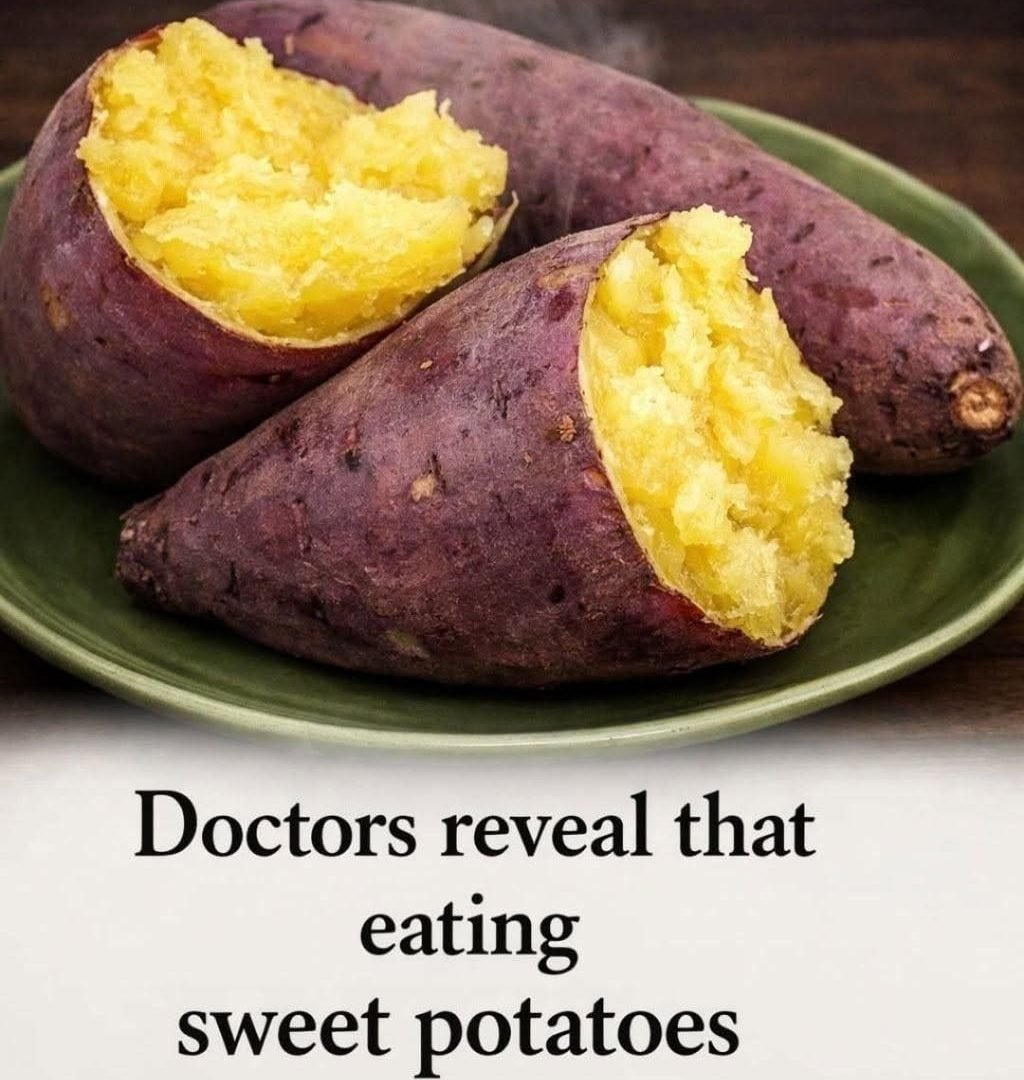
Doctors Reveal What Eating Sweet Potatoes Actually Causes: The Surprising Truth About This Superfood
The Nutritional Profile: Nature’s Multivitamin
To understand why doctors and nutritionists praise the sweet potato, you must look at its remarkable nutritional makeup. A medium-sized sweet potato (about 130 grams, baked with the skin on) is a powerhouse of vitamins, minerals, and complex carbohydrates.
The Macronutrient Breakdown
A medium sweet potato contains approximately:
Calories: 112
Carbohydrates: 26 grams
Fiber: 3.9 grams
Protein: 2 grams
Fat: Less than 1 gram
While it is a carbohydrate-rich food, the carbohydrates in sweet potatoes are primarily complex carbs and fiber. This means they are digested slowly, providing a steady source of energy without the rapid spikes and crashes associated with refined sugars.
The Micronutrient Powerhouse
The true magic of the sweet potato lies in its micronutrient density. It is exceptionally rich in:
Vitamin A (Beta-Carotene): A single medium sweet potato provides over 400% of your daily recommended intake of Vitamin A. This comes primarily from beta-carotene, which gives the orange varieties their vibrant color.
Vitamin C: Important for immune function and collagen production.
Potassium: An essential mineral for blood pressure regulation and heart health.
Manganese: A trace mineral involved in metabolism and bone formation.
Vitamin B6: Crucial for brain development and nervous system function.
Antioxidants: Including anthocyanins (in purple varieties), chlorogenic acid, and carotenoids.
What Eating Sweet Potatoes Actually Causes: The Health Benefits
When you regularly consume sweet potatoes, your body experiences a multitude of positive physiological changes. Here is what doctors and researchers have discovered.
1. Improved Cardiovascular Health
The combination of fiber, potassium, and antioxidants makes sweet potatoes a formidable ally for heart health.
Blood Pressure Regulation: High blood pressure is a leading risk factor for heart disease. Sweet potatoes are incredibly rich in potassium, which helps the kidneys excrete excess sodium from the body. This helps to relax blood vessel walls, lowering blood pressure and reducing the strain on the heart.
Cholesterol Management: The high fiber content, particularly soluble fiber, binds to cholesterol and bile acids in the digestive tract, pulling them out of the body. This forces the liver to use circulating cholesterol to make new bile acids, effectively lowering LDL (bad) cholesterol levels.
Antioxidant Protection: The beta-carotene in orange sweet potatoes and the anthocyanins in purple sweet potatoes help prevent the oxidation of LDL cholesterol. Oxidized LDL is a primary driver of atherosclerosis (plaque buildup in the arteries).
2. Enhanced Digestive Health and Gut Microbiome
A healthy gut is the foundation of overall wellness, and sweet potatoes are excellent for digestion.
Fiber for Regularity: Sweet potatoes are a great source of both soluble and insoluble fiber. Insoluble fiber adds bulk to the stool, preventing constipation and promoting regular bowel movements.
Prebiotic Support: The fiber in sweet potatoes acts as a prebiotic, meaning it feeds the beneficial bacteria in your gut microbiome. A healthy microbiome is linked to improved immunity, better mood, and reduced inflammation.
Resistant Starch: When you cook a sweet potato and let it cool (such as in a salad), the starches undergo a structural change, becoming resistant starch. This type of starch resists digestion in the small intestine and ferments in the large intestine, producing short-chain fatty acids like butyrate, which nourish the cells lining the gut and improve digestive health.
3. Better Blood Sugar Regulation
It is a common misconception that because sweet potatoes taste sweet, they are bad for blood sugar. In reality, the opposite is often true.
The Glycemic Index: The glycemic index (GI) is a measure of how quickly a food raises blood sugar. Boiled sweet potatoes have a relatively low to medium GI (around 44-63, depending on the variety), meaning they do not cause rapid spikes in blood sugar.
The Fiber Buffer: The high fiber content slows down the digestion and absorption of the natural sugars in the sweet potato, preventing a rapid glucose spike.
The Caiapo Extract: Interestingly, research has shown that an extract from white-skinned sweet potatoes (Caiapo) may help improve insulin sensitivity in people with type 2 diabetes.
4. Vision and Eye Health Support
The massive dose of beta-carotene in sweet potatoes is a boon for your eyes. Beta-carotene is converted by the body into Vitamin A, which is essential for maintaining healthy vision.
Preventing Night Blindness: Vitamin A is a crucial component of rhodopsin, a protein in the eyes that absorbs light, particularly in low-light conditions. A deficiency in Vitamin A is a leading cause of preventable blindness worldwide.
Macular Protection: Sweet potatoes also contain lutein and zeaxanthin, two antioxidants that concentrate in the macula (the center of the retina). These compounds help filter out harmful blue light and protect the eyes from age-related macular degeneration (AMD) and cataracts.
5. Immune System Strengthening
A robust immune system requires a steady supply of vitamins and minerals, and sweet potatoes deliver exactly that. The high levels of Vitamin A and Vitamin C work synergistically to support the immune system.
Barrier Defense: Vitamin A is essential for maintaining the health of the mucosal barriers (like the lining of the respiratory tract and gut), which are the body’s first line of defense against pathogens.
White Blood Cell Function: Vitamin C is necessary for the proper function of white blood cells, which seek out and destroy harmful bacteria and viruses.
6. Skin and Cellular Protection
The antioxidants in sweet potatoes help protect the skin from premature aging. Beta-carotene acts as a natural sunblock, protecting the skin from UV-induced damage and cellular death. Furthermore, Vitamin C is essential for the synthesis of collagen, the structural protein that gives skin its elasticity and youthful appearance.
The Potential Downsides: When Sweet Potatoes Can Cause Problems
While the benefits are extensive, the viral “causes…” headline is not entirely without merit. In specific populations or circumstances, sweet potatoes can cause negative effects.
1. Kidney Health and Potassium Concerns
For most people, the high potassium content of sweet potatoes is a benefit. However, for individuals with chronic kidney disease, it can be dangerous. The kidneys are responsible for filtering excess potassium from the blood. When kidney function is impaired, potassium can build up (hyperkalemia), which can cause dangerous heart arrhythmias. People with advanced kidney disease should consult their doctor or a dietitian before eating sweet potatoes.
2. Oxalates and Kidney Stones
Sweet potatoes are moderately high in a compound called oxalate. In some individuals, oxalate can bind with calcium in the urine to form calcium-oxalate kidney stones. If you have a history of kidney stones, it is advisable to consume sweet potatoes in moderation and ensure you are drinking plenty of water to flush out the oxalates.
3. Digestive Discomfort (Gas and Bloating)
Because sweet potatoes are rich in fiber and complex carbohydrates, eating a large portion can cause gas, bloating, and abdominal discomfort, especially if your digestive system is not accustomed to high-fiber foods. Start with a small serving and increase gradually.
4. Blood Sugar Spikes in Diabetics
While sweet potatoes have a lower GI than regular white potatoes, they still contain carbohydrates. For individuals with diabetes, a large sweet potato eaten on its own can still raise blood sugar. The key is portion control and pairing the sweet potato with a source of protein and healthy fat (like chicken and avocado) to slow digestion and stabilize glucose levels.