8 Crucial Heart Attack Warning Signs You Should Never Ignore
When we think of a heart attack, the image that often comes to mind is a dramatic, cinematic scene: a person suddenly clutches their chest in excruciating pain and collapses to the ground. While this classic scenario does happen, the reality for the vast majority of people is far more subtle, drawn out, and easy to dismiss.
The human body is remarkably intuitive. Long before a major cardiac event occurs, it often sends out a series of distress signals. These early warnings, known as prodromal symptoms, can begin days, weeks, or even months before a heart attack. They are the body’s way of telling you that the heart is struggling to get enough oxygen due to narrowed or blocked arteries. Unfortunately, because these signs are often vague, easily attributed to stress, the flu, or simply “getting older,” they are frequently ignored until it is too late.
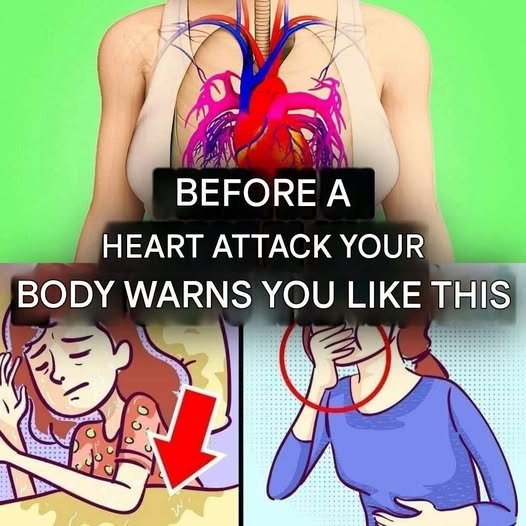
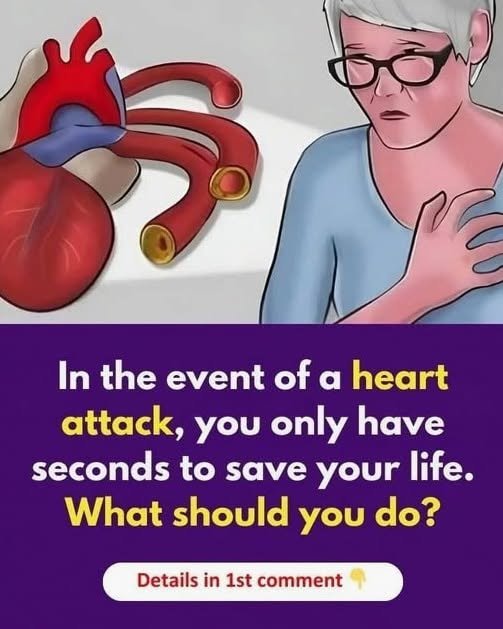
A viral image recently highlighted this reality by showing a diagram of a heart above illustrations of women experiencing fatigue, dizziness, and chest discomfort, accompanied by the text: “Before a heart attack your body warns you like this.” The message is clear: listening to your body is not just good practice; it is a potential lifesaver.
This comprehensive guide will explore the eight most critical warning signs of a heart attack that you should never ignore. We will break down the classic symptoms, the subtler signs that are especially common in women, the physiological reasons behind them, and the immediate actions you must take if you or a loved one experiences them. Knowledge is power, and in the case of a heart attack, it is the difference between life and death.
The Warning Phase: Understanding the Body’s Distress Signals
To understand why a heart attack often comes with warning signs, it helps to understand what is actually happening in the cardiovascular system. A heart attack (myocardial infarction) occurs when the blood flow to a part of the heart muscle is severely reduced or blocked. This is usually caused by a buildup of fat, cholesterol, and other substances (plaque) in the coronary arteries.
As an artery narrows, the heart has to work harder to pump blood. This reduced blood flow can cause temporary ischemia—a lack of oxygen to the heart muscle. This ischemia is what triggers the symptoms. When the blockage becomes severe enough or a plaque ruptures and forms a clot, a full-blown heart attack occurs. The period of narrowing and temporary ischemia is the warning phase. Recognizing these eight symptoms during this phase can prompt crucial medical intervention, such as medication or surgery, that can prevent the heart attack altogether.
1. Chest Pain, Pressure, or Discomfort
This is the most widely recognized symptom, but it is often misunderstood. The classic heart attack chest pain is not always a sharp, stabbing sensation. Most people describe it as a feeling of pressure, squeezing, fullness, tightness, or heaviness in the center or left side of the chest. It can feel as though a heavy weight has been placed on your chest, or like a tight band is constricting it.
What It Can Feel Like
The “Vice Grip”: A crushing sensation that comes and goes.
Indigestion: A burning sensation that is easily mistaken for heartburn or acid reflux.
The “Elephant on the Chest”: A heavy, suffocating pressure.
This discomfort typically lasts more than a few minutes, or it may go away and come back. If you experience unexplained chest pressure that does not resolve with rest or antacids, it is a medical emergency.
2. Shortness of Breath
As shown in the viral image, a woman can be seen struggling to catch her breath. Shortness of breath (dyspnea) is a critical warning sign, and it can occur with or without accompanying chest discomfort.
Why It Happens
When the heart is not pumping efficiently due to a lack of oxygen, fluid can back up into the lungs, or the body simply cannot get enough oxygenated blood to the tissues. This makes even simple tasks, like walking up a flight of stairs or carrying groceries, feel exhausting.
If you suddenly find yourself gasping for air during activities that used to be easy, or if you experience shortness of breath while lying flat in bed (orthopnea) and have to prop yourself up on pillows to breathe, you need to see a doctor immediately. This is a sign of heart failure or an impending cardiac event.
3. Overwhelming Fatigue
Fatigue is one of the most commonly overlooked warning signs, particularly in women. The image in the prompt perfectly captures this with the illustration of a woman looking utterly exhausted and dizzy.
This is not the typical tiredness you feel after a long day at work. It is a sudden, crushing, unexplained exhaustion. You may feel like you cannot lift your arms, or even brushing your hair feels like a monumental effort. This profound fatigue is the heart’s way of saying it is working too hard to pump blood to the rest of the body. If you experience a sudden drop in your energy levels that doesn’t improve with rest, and it is accompanied by other mild symptoms, do not dismiss it.
4. Radiating Pain (Arms, Back, Neck, Jaw, or Stomach)
Heart pain is not always localized to the chest. Because the heart’s nerve endings connect to nerves in the spine and other areas of the body, the pain can radiate.
The Classic Left Arm
The most famous radiating pain is down the left arm. It often starts in the chest and travels down the inside of the arm, feeling like a heaviness or numbness. However, it can also travel down the right arm.
Other Locations
The Jaw and Neck: Often described as a tightness or ache, similar to a toothache or a sore throat.
The Back: Pain between the shoulder blades or lower back pain, often mistaken for a muscle strain.
The Stomach: It can feel like severe indigestion, often accompanied by nausea.
If you have sudden, unexplained pain in these areas that comes on with exertion and subsides with rest, it is highly suspicious for a heart issue.
5. Cold Sweats
Breaking out in a cold, clammy sweat is a very common warning sign of a heart attack. It occurs because the body is in a state of extreme stress and is activating the “fight or flight” response (sympathetic nervous system) as it struggles to cope with the failing heart.
The “Impending Sense of Doom”
This symptom is often linked to a psychological sensation known as an “impending sense of doom”—a feeling that something terrible is about to happen. If you are sitting at your desk or watching TV and suddenly break into a profuse sweat for no apparent reason, accompanied by a feeling of anxiety or dread, do not ignore it. It is a signal that your body is in crisis.
6. Nausea, Vomiting, or Indigestion
Gastrointestinal symptoms are frequently misdiagnosed, especially in women. You might feel a sudden wave of nausea, or you may actually vomit. Many people describe it as a feeling of “butterflies” or a severe stomach ache that doesn’t seem related to anything they ate.
Because these symptoms mimic the flu or food poisoning, people often delay seeking help. If the nausea is accompanied by chest discomfort, shortness of breath, or sweating, it is a major red flag. Even without those classic symptoms, sudden unexplained nausea in a person with risk factors for heart disease should prompt a medical evaluation.
7. Lightheadedness or Dizziness
The image in the prompt shows a woman touching her head, clearly experiencing a spell of lightheadedness. Dizziness, vertigo, or feeling faint can be an early sign of a heart attack.
Why It Happens
When the heart is not pumping enough blood, blood pressure can drop dangerously low. This lack of blood flow to the brain causes a sudden feeling of lightheadedness or a sensation that the room is spinning. It may even lead to fainting (syncope). If you experience sudden dizziness along with chest discomfort or shortness of breath, you should call emergency services immediately.
8. Sleep Disturbances
Long before a heart attack, many people experience disruptions in their sleep patterns. This can manifest as insomnia, or waking up in the middle of the night struggling to breathe.
The Connection
When you lie down, the body’s blood distribution changes, and the heart has to work harder. If the heart is compromised, this can lead to a condition called paroxysmal nocturnal dyspnea, where you wake up gasping for air. Additionally, the body’s stress response can disrupt normal sleep cycles. A study published in the European Journal of Preventive Cardiology found that the month preceding a heart attack often includes a significantly higher number of sleep disturbances and nighttime awakenings.
The Gender Discrepancy: Why Women Are at Greater Risk of Missing the Signs
The viral image specifically features illustrations of women, and this is no accident. Historically, heart attacks have been viewed as a “man’s disease.” However, heart disease is the leading cause of death for both men and women.
The danger is that women often do not experience the classic, crushing chest pain. Instead, their symptoms are frequently subtler and more diffuse. According to the American Heart Association, women are more likely to experience:
Unexplained fatigue (the most common symptom).
Shortness of breath.
Pain in the neck, jaw, or back.
Nausea and dizziness.
Because these symptoms are easily attributed to the flu, stress, or just a busy life, women are more likely to delay seeking medical attention, which can be fatal.
What to Do If You Suspect a Heart Attack
If you or someone around you is experiencing any of these eight warning signs, do not wait. Time is muscle. The longer the heart goes without oxygen, the more damage occurs.
Call Emergency Services (911): Do not drive yourself to the hospital. An ambulance can begin life-saving treatment on the way and ensure you get to the right facility quickly.
Chew an Aspirin: If you are not allergic and have no contraindications, chew a regular-strength aspirin (325 mg). Chewing it allows it to enter the bloodstream faster. It helps thin the blood and prevent further clotting.
Rest and Stay Calm: Sit down, try to remain calm, and loosen any tight clothing. Do not exert yourself.
Note the Time: When did the symptoms start? This is crucial information for the doctors treating you.
Silent Heart Attacks: When There Are No Signs
While we are focusing on warning signs, it is crucial to mention that some heart attacks are “silent.” This means they occur without any noticeable symptoms, or with symptoms so mild they are mistaken for a passing bug or muscle strain.
Silent heart attacks are particularly common in people with diabetes, as nerve damage (neuropathy) can blunt the sensation of pain. They are also more common in the elderly. A silent heart attack still causes damage to the heart muscle, increasing the risk of heart failure later on. This is why regular check-ups and managing risk factors are so important.
Risk Factors: Are You at Risk?
Understanding your risk profile can help you be more vigilant about these symptoms. The major risk factors include:
High Blood Pressure (Hypertension)
High Cholesterol
Smoking
Diabetes
Obesity and Physical Inactivity
Family History of Heart Disease
Chronic Stress
If you have one or more of these risk factors, you should be particularly attuned to the warning signs and discuss them with your doctor.
Conclusion: Listen to Your Body
The human body is a remarkable communicator, but we are often too busy or too dismissive to listen. The eight symptoms outlined here—chest pressure, shortness of breath, overwhelming fatigue, radiating pain, cold sweats, nausea, lightheadedness, and sleep disturbances—are your body’s red flags.
They do not always mean you are having a heart attack, but they do mean your heart deserves immediate attention. Do not let fear, denial, or the desire not to make a fuss prevent you from seeking help. It is always better to be evaluated and be told it was just heartburn than to ignore the signs and suffer a permanent, or even fatal, consequence. Share this knowledge with your loved ones, especially the women in your life, and trust that when your body whispers a warning, you should listen.
Frequently Asked Questions
How long do heart attack warning signs last before the actual attack?
Warning signs can occur days, weeks, or even months before a heart attack. They may come and go, often becoming more frequent or intense as the event approaches. For some, the warning signs start just a few hours prior.
Are heart attack symptoms different for men and women?
Yes. While chest pain is the most common symptom for both, women are more likely to experience subtler symptoms like unexplained fatigue, shortness of breath, nausea, dizziness, and jaw or back pain. Because these are easily ignored, women often delay seeking care.
Can you have a heart attack without chest pain?
Yes. This is known as a “silent heart attack” or one with atypical symptoms. It is more common in women, the elderly, and people with diabetes. The absence of chest pain does not mean the event is less dangerous.
What is the “impending sense of doom”?
This is a psychological symptom where a person suddenly feels intense anxiety, fear, or a belief that they are about to die. It is often accompanied by cold sweats and is a recognized warning sign of a cardiovascular event.
Is sudden fatigue a real heart attack symptom?
Absolutely. In women especially, overwhelming, unexplained fatigue is the most common early warning sign. This is not normal tiredness; it feels like a sudden drain of all energy, often making simple tasks feel impossible.
What should I do if I have heart attack symptoms?
Call emergency services (911 or your local emergency number) immediately. Do not drive yourself. If you are not allergic, chew an aspirin. Sit down and rest while waiting for help to arrive.
Can heart attack symptoms go away on their own?
While symptoms might subside, the underlying blockage remains. The fact that symptoms go away does not mean you are safe. It may be a warning sign of a major heart attack that is still imminent. Always seek medical evaluation.