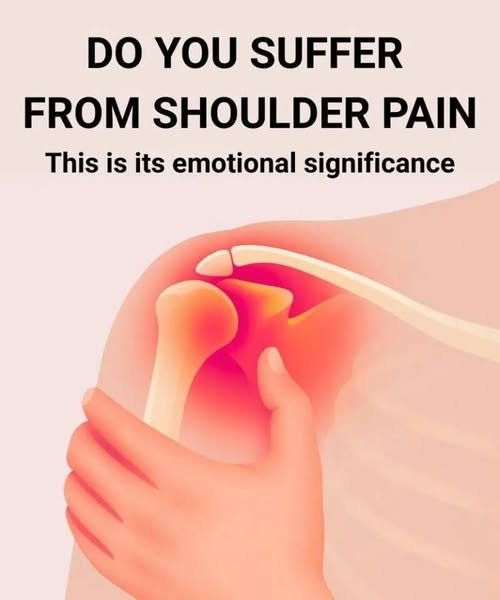
Shoulder Pain and Its Emotional Significance: Understanding the Mind-Body Connection
Shoulder pain is one of the most common musculoskeletal complaints worldwide. It can strike suddenly after an injury or creep up gradually, turning simple tasks like reaching for a high shelf, putting on a coat, or sleeping on your side into painful ordeals. While the physical causes of shoulder pain—such as rotator cuff injuries, tendonitis, arthritis, or poor posture—are well-documented, there is a growing conversation surrounding another, often overlooked dimension of this condition: its emotional significance.
In recent years, the concept of the mind-body connection has moved from the fringes of alternative medicine into mainstream psychological and medical research. Somatic psychology—the study of how the mind and body interact—suggests that unresolved emotions, chronic stress, and psychological burdens can manifest as physical pain. The shoulder, being one of the most mobile and heavily utilized joints in the body, is frequently identified as a site where emotional tension takes root.
When you suffer from persistent shoulder pain that does not seem to fully respond to rest or physical therapy, it is worth exploring whether your body is trying to communicate an emotional message. This comprehensive guide examines the anatomy of the shoulder, the science behind stress-induced pain, the specific emotional meanings often associated with shoulder pain, and how you can address both the physical and psychological roots of your discomfort to find lasting relief.
The Anatomy of the Shoulder: A Complex and Vulnerable Joint
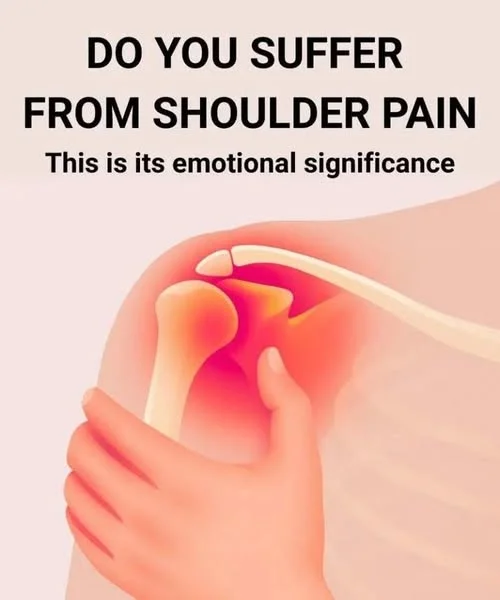
To understand why the shoulder is so susceptible to pain, it helps to understand its anatomy. The shoulder is not a single joint but a complex network of bones, muscles, ligaments, and tendons. It is the most mobile joint in the human body, capable of a vast range of motion that allows us to lift, push, pull, and throw.
The primary joint, the glenohumeral joint, is a ball-and-socket structure where the head of the upper arm bone (the humerus) meets the shallow socket of the shoulder blade (the scapula). Because the socket is shallow, stability relies heavily on the surrounding soft tissues, particularly the rotator cuff. The rotator cuff is a group of four muscles and their tendons that stabilize the shoulder and facilitate movement.
Common Physical Causes of Shoulder Pain
The complexity of the shoulder makes it vulnerable to a wide array of physical issues. The most common medical causes of shoulder pain include:
Rotator Cuff Injuries: Tears or inflammation of the tendons, often caused by repetitive overhead movements or acute trauma.
Tendonitis: Inflammation of the tendons in the shoulder, commonly resulting from overuse.
Bursitis: Inflammation of the bursa, the fluid-filled sacs that cushion the bones, muscles, and tendons around the joint.
Frozen Shoulder (Adhesive Capsulitis): A condition characterized by stiffness and pain that gradually worsens, eventually restricting movement.
Osteoarthritis: Wear-and-tear damage to the cartilage in the shoulder joint, leading to pain and stiffness.
Poor Posture and Repetitive Strain: Slouching at a desk or prolonged use of computers and smartphones can put undue stress on the shoulder and neck muscles.
The Mind-Body Connection: How Emotions Manifest as Physical Pain
While physical wear and tear are clear contributors to shoulder pain, the role of the mind and emotions is increasingly recognized as a critical factor. The mind-body connection is the idea that our psychological state directly influences our physiological health. When we experience chronic stress, anxiety, or unresolved emotional trauma, the body often responds by tightening muscles, altering posture, and initiating an inflammatory response.
The Physiology of Stress-Induced Pain
When you are stressed, your body activates the sympathetic nervous system—the “fight or flight” response. This releases stress hormones like cortisol and adrenaline, which prepare the body to react to a perceived threat. In the short term, this is a life-saving mechanism. However, when this response is triggered chronically—due to work pressures, relationship issues, or financial worries—the body remains in a state of high alert.
The muscles in the neck, shoulders, and upper back are particularly susceptible to this stress response. They tighten and contract to protect the vital organs in the chest and neck, a subconscious reflex dating back to our earliest ancestors. Over time, this constant muscle tension can lead to restricted blood flow, trigger points, and chronic pain. In essence, your shoulders are literally bracing for an impact that never comes.
The Role of Unresolved Emotions
Beyond general stress, specific unresolved emotions can also manifest physically. Somatic psychology suggests that trauma, grief, anger, and suppressed feelings are stored in the body’s tissues. This is often referred to as “body armoring”—a concept developed by psychoanalyst Wilhelm Reich. It proposes that we unconsciously tense our muscles to suppress painful or overwhelming emotions. The shoulders, which are often associated with carrying burdens and facing the world, frequently become a primary site for this armor.
The Emotional Significance of Shoulder Pain
In various psychological, spiritual, and holistic traditions, different parts of the body are associated with specific emotional themes. While these are not universally accepted medical diagnoses, they offer a valuable framework for self-reflection. If you have been struggling with shoulder pain, consider whether any of the following emotional themes resonate with your current life circumstances.
1. Carrying the Weight of the World
The shoulders are biologically designed to carry loads. Metaphorically, they also carry our responsibilities, expectations, and the burdens of others. If you are someone who constantly takes on other people’s problems, overcommits, or feels solely responsible for the well-being of your family or team, your shoulders may be signaling that you are carrying too much. The pain can represent a physical manifestation of an overwhelming psychological load.
2. Feeling Unsupported
If you feel emotionally or practically unsupported by those around you—whether in a relationship, at work, or within your family—your body might reflect this feeling of “having no shoulder to lean on.” The pain may be a physical response to the perception that you are facing life’s challenges alone, without a solid foundation of support.
3. Frustration, Anger, and Suppressed Resentment
Anger that is not expressed can become physically debilitating. The shoulders are often where we hold suppressed frustration. If you feel trapped in a situation, unable to speak your truth, or constantly “biting your tongue,” your shoulders may become rigid and painful. The phrase “having a chip on your shoulder” hints at this connection between the shoulder area and unresolved grievance.
4. Perfectionism and the Need for Control
People who are high-achieving, perfectionistic, or who feel the need to control every aspect of their lives often experience chronic shoulder pain. The relentless drive to “keep it all together” requires immense physical and mental energy. The shoulder pain may be the body’s way of saying that it is exhausted from the effort of maintaining rigid control. It is a call to let go and allow things to unfold naturally.
5. Fear of Moving Forward
Because the shoulders are essential for movement—especially for pushing, pulling, and throwing—they can symbolize our capacity to take action and move forward in life. If you are facing a difficult decision, feeling stuck in a rut, or afraid of taking the next step, your shoulders might tighten up as a protective mechanism. The pain restricts your movement, mirroring your internal hesitation or fear of the future.
Left Shoulder vs. Right Shoulder: Does It Matter?
In holistic psychology, the side of the body where pain occurs is sometimes given symbolic meaning. While these associations are not scientifically proven and can vary across different cultural traditions, they are often used as a starting point for self-inquiry.
The Left Shoulder
In many spiritual and psychological frameworks, the left side of the body is associated with the feminine, the receptive, and the internal world. Pain in the left shoulder is sometimes linked to:
Emotional burdens: The weight of grief, sadness, or emotional trauma.
Family dynamics: Issues related to the mother, the home, or childhood.
The inability to receive: Struggling to accept love, help, or support from others.
Introspection: Overthinking, anxiety, or carrying the past.
The Right Shoulder
The right side of the body is often associated with the masculine, the active, and the external world. Pain in the right shoulder may be linked to:
Action and responsibility: The pressure to perform, provide, and achieve.
Work and career: Frustration in your professional life, excessive work burdens, or conflicts with authority figures.
The inability to give: Feeling that you are not doing enough for others.
Suppressed anger: The drive to push forward and control your environment.
It is important to note that these are generalities. The specific meaning of your pain depends entirely on your personal history and current life context.
Frozen Shoulder and the “Freeze” Response
Frozen shoulder (adhesive capsulitis) is a condition that deserves special attention in the context of the mind-body connection. It is characterized by a progressive restriction of motion in the shoulder, where the joint literally becomes “frozen.”
From a psychological perspective, the freeze response is a lesser-known counterpart to fight-or-flight. When faced with overwhelming threat or trauma, the body may enter a state of paralysis or immobility. The physical freezing of the shoulder can sometimes be interpreted as a profound emotional “freezing.” You may be unable to physically move your arm because, on a subconscious level, you feel unable to reach out, take action, or move forward. It is a physical manifestation of feeling trapped in a situation.
Is Your Shoulder Pain Physical or Emotional?
If you are experiencing shoulder pain, the most critical step is to get a proper medical diagnosis. Many physical conditions require specific medical or surgical interventions. However, once a clear structural cause is ruled out, or if physical treatments are not resolving the pain, it is worth exploring the emotional angle.
Ask yourself the following questions:
Did the pain begin or worsen during a period of intense stress, grief, or anxiety?
Do you frequently feel overwhelmed by responsibilities?
Are you experiencing conflict in a significant relationship?
Do you feel as though you lack support?
Do you find it difficult to express anger or set boundaries?
If you answered “yes” to these questions, it is highly likely that your emotional state is contributing to your physical symptoms. This does not mean the pain is “all in your head.” Psychogenic pain is real pain, and it requires real treatment.
Red Flags: When to See a Doctor Immediately
Before exploring emotional causes, you must rule out serious medical conditions. Seek immediate medical attention if your shoulder pain is accompanied by:
Chest pain or pressure, shortness of breath, or pain radiating down your left arm (potential signs of a heart attack).
Severe, sudden pain following an injury.
Inability to lift your arm or move it at all.
Redness, swelling, or heat around the joint.
A fever or unexplained weight loss.
Numbness or tingling in the arm or hand.
Healing Both Body and Mind: A Comprehensive Approach
Addressing shoulder pain that has an emotional component requires a dual-pronged approach. You must treat the physical body while simultaneously addressing the psychological root cause.
1. Seek Professional Medical Care
First and foremost, consult a physician or physical therapist. They can provide a precise diagnosis and rule out structural damage. Physical therapy, targeted exercises, and appropriate medications can help alleviate the physical symptoms and restore mobility.
2. Explore Mind-Body Therapies
Once the physical side is under control, explore therapies that address the mind-body connection:
Cognitive Behavioral Therapy (CBT): Helps identify and change unhelpful thought patterns that contribute to stress and tension.
Somatic Experiencing: A body-oriented approach to healing trauma that focuses on releasing stored tension.
Mindfulness and Meditation: Practices that help you become more aware of physical sensations and teach you to consciously relax the body.
Yoga and Tai Chi: Gentle movement practices that improve flexibility, release tension, and promote a sense of calm.
Massage Therapy: Helps physically release muscle tension, particularly in the neck and shoulders.
3. Daily Practices for Emotional Release
You can incorporate simple practices into your daily routine to help release emotional tension:
Journaling: Write down your worries, frustrations, and burdens. Putting them on paper can lighten the emotional load you are carrying.
Deep Breathing: Practice diaphragmatic breathing to activate the parasympathetic nervous system (the “rest and digest” response).
Set Boundaries: Practice saying “no” to commitments that drain your energy and learn to delegate responsibilities.
Progressive Muscle Relaxation: A technique that involves systematically tensing and relaxing different muscle groups to help you recognize and release tension.
Conclusion: Listening to Your Body’s Message
Shoulder pain is more than just a physical inconvenience; it can be a profound communication from your body. While structural issues and medical conditions must be taken seriously and treated appropriately, ignoring the emotional component of your pain may prevent you from finding lasting relief.
By viewing your pain through a holistic lens, you can begin to uncover the emotional burdens you may be carrying. Whether you are overworking yourself, holding onto suppressed anger, or feeling unsupported, your shoulders are intimately connected to how you carry yourself through the world. Listening to your body, addressing both the physical and the psychological, and seeking help when necessary can help you release the weight you have been carrying and reclaim your freedom of movement.
Frequently Asked Questions
Can emotions actually cause physical shoulder pain?
Yes. Emotional stress triggers the body’s fight-or-flight response, which causes muscles to tense. Prolonged stress or unresolved emotional issues can lead to chronic muscle tension, restricted blood flow, and inflammation, all of which cause physical pain. This is known as psychogenic or stress-induced pain.
What is the symbolic meaning of shoulder pain?
In holistic psychology, shoulder pain is often associated with carrying heavy emotional burdens, feeling unsupported, facing overwhelming responsibilities, or suppressing anger. It can also symbolize a fear of moving forward or a lack of control in one’s life.
Does the side of the shoulder pain matter?
In some alternative healing traditions, the left shoulder is associated with emotional burden, the past, and receiving support, while the right shoulder is linked to action, work, responsibility, and giving. However, these are subjective interpretations and should be used as tools for self-reflection rather than strict medical guidelines.
How do I know if my shoulder pain is caused by stress?
If your shoulder pain began during a period of high stress or anxiety, is accompanied by muscle tightness, and worsens during emotional turmoil, stress may be a contributing factor. However, you should always see a doctor first to rule out structural injuries like a torn rotator cuff or arthritis.
Can frozen shoulder be related to emotional trauma?
Some psychologists suggest that frozen shoulder can be linked to the “freeze response” or feeling emotionally stuck or trapped. The physical immobilization of the shoulder may mirror a psychological inability to move forward, take action, or reach out for help.
What are the best ways to release emotional tension in the shoulders?
Physical therapies like massage, heat therapy, and stretching can relieve immediate tension. For the emotional aspect, practices like deep breathing, meditation, journaling, therapy, and somatic exercises can help process and release stored emotions.
When should I see a doctor for shoulder pain?
You should see a doctor if your shoulder pain is severe, follows an injury, limits your ability to move your arm, or is accompanied by redness, swelling, or fever. Seek immediate emergency care if shoulder pain is accompanied by chest pressure, shortness of breath, or pain radiating down the left arm, as these can be signs of a heart attack.