Metoprolol and Amlodipine Side Effects: Don’t Ignore These Swelling Symptoms!
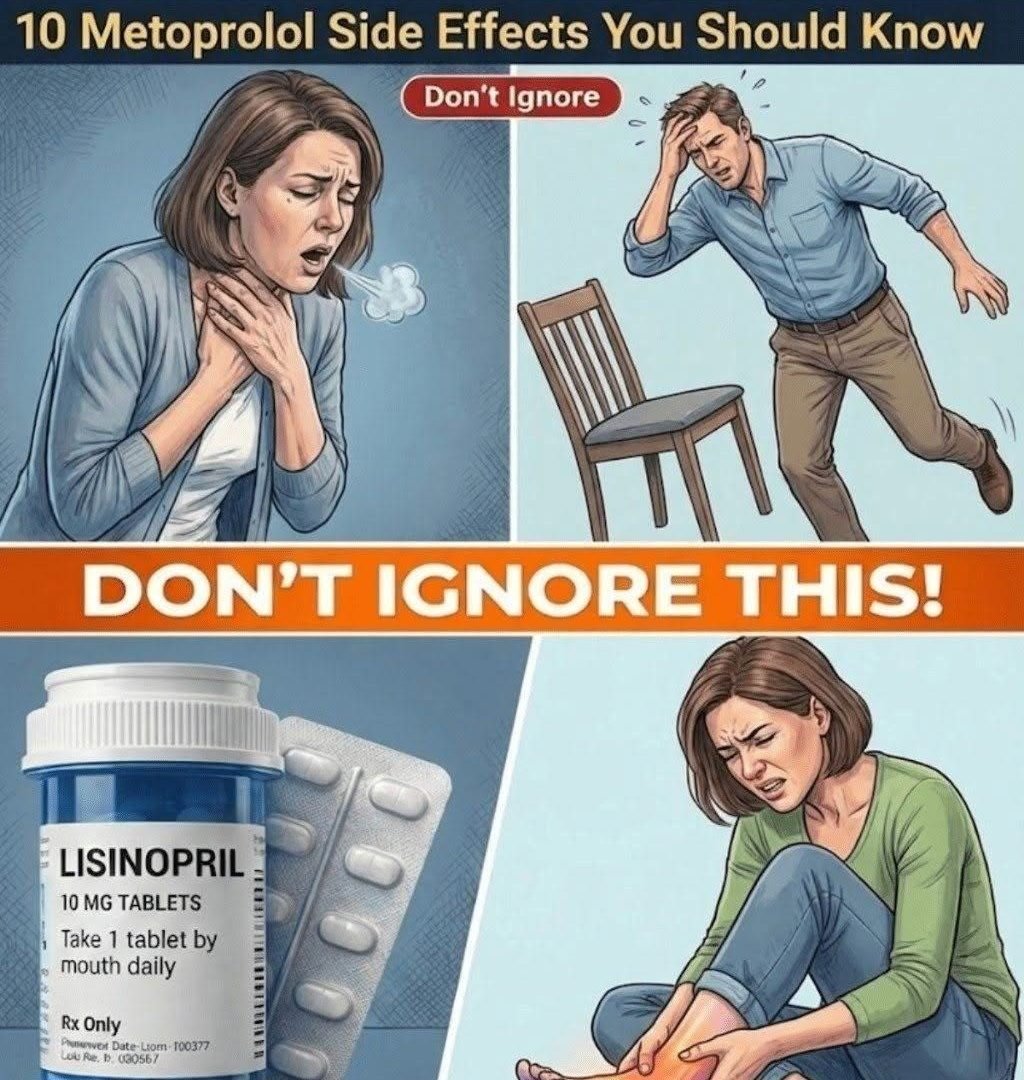
The image before you presents a fascinating and highly relatable medical scenario. We see a hand holding a prescription bottle clearly labeled “AMLODIPINE 5 MG TABLETS,” while the bold text overhead warns about “Possible Metoprolol Side Effects.” In the background, a person is gripping their lower leg, which is visibly swollen, red, and tender around the ankle and foot.
This single image captures a very common reality in the treatment of cardiovascular health: the complex, sometimes overlapping, and often confusing world of blood pressure medications. Both Metoprolol and Amlodipine are among the most widely prescribed drugs in the world, used by millions of people daily to manage hypertension (high blood pressure), angina, and other heart conditions.
While these medications are lifesaving and crucial for preventing heart attacks and strokes, they are not without their side effects. The swollen ankle depicted in the image is a classic, hallmark side effect of one of these medications (Amlodipine), while the headline points to the systemic effects of the other (Metoprolol).
This comprehensive guide is dedicated to exploring the possible side effects of both Metoprolol and Amlodipine. We will delve into the visual warning sign of peripheral edema, explain why it happens, detail the systemic effects of beta-blockers, and provide you with a clear, medically grounded understanding of what to expect, when to be concerned, and how to manage these symptoms.
If you or a loved one are taking these medications, understanding these potential side effects is not just about avoiding discomfort; it is a critical step in protecting your long-term health and ensuring your treatment plan is working optimally for your body.
Understanding the Medications: Metoprolol vs. Amlodipine
To understand why side effects occur, it is helpful to understand what these drugs actually do. Though both are used to lower blood pressure, they belong to entirely different classes of drugs and work in completely different ways.
What is Amlodipine?
The bottle in the image is Amlodipine. It is a calcium channel blocker (CCB). When calcium enters the muscle cells of your blood vessels, it causes them to constrict or tighten. Amlodipine works by blocking the flow of calcium into these cells. By preventing calcium from entering, the blood vessels remain relaxed and dilated (widened). This widening allows blood to flow more easily, lowering blood pressure and reducing the workload on the heart. It is also used to treat angina (chest pain) by improving blood flow to the heart muscle.
What is Metoprolol?
Metoprolol is a beta-blocker. It works by blocking the effects of adrenaline (epinephrine) on the body. Adrenaline is the “fight or flight” hormone that speeds up the heart and causes blood vessels to constrict. By blocking beta receptors, Metoprolol slows the heart rate, reduces the force of the heart’s contractions, and lowers blood pressure. It is often prescribed after a heart attack, for heart failure, and for managing irregular heart rhythms (arrhythmias) or migraines.
Why Are They Often Confused or Used Together?
Because both are first-line treatments for high blood pressure, patients frequently take them simultaneously. In fact, many combination pills exist that contain both an active beta-blocker and a calcium channel blocker. It is incredibly common for a cardiologist to prescribe Amlodipine to relax the blood vessels while prescribing Metoprolol to slow the heart rate, creating a two-pronged approach to managing hypertension.
The confusion in the image—showing an Amlodipine bottle with a Metoprolol headline—is a perfect representation of how easily these medication names and their corresponding side effects can blur in the mind of a patient managing a complex daily drug regimen.
The Visual Warning Sign: Swollen Ankles (Peripheral Edema)
The most striking part of the image is the person’s swollen, red, and painful-looking ankle and foot. This is a textbook presentation of peripheral edema, and it is the most common side effect of Amlodipine.
Why Does Amlodipine Cause Swelling?
While Amlodipine is highly effective at lowering blood pressure, its mechanism of action has a unique side effect. It dilates the small arteries (arterioles) that lead into the capillary beds. However, it does not dilate the veins that carry blood away from the capillary beds to the same extent.
This creates a slight imbalance in pressure. The blood pushes into the tissues through the wider arteries, but the veins cannot carry it away fast enough. This increased pressure forces fluid out of the blood vessels and into the surrounding tissues, leading to swelling.
Because gravity pulls fluid downward, this pooling of fluid is most noticeable in the lower extremities, particularly the ankles and feet. The swelling is typically bilateral (affecting both legs) and worsens as the day goes on, often resolving overnight when the patient is lying flat.
How Common Is Amlodipine-Induced Edema?
It is incredibly common. Up to 10% to 15% of patients taking Amlodipine will experience some degree of ankle swelling. The risk is dose-dependent; it is more common at higher doses (like 10 mg) than at lower doses (like the 5 mg shown in the image) and is more prevalent in women and older adults.
Management of Edema
While the swelling can be uncomfortable, it is generally not dangerous. However, it can be highly distressing.
Do not stop taking the medication. Stopping blood pressure medication abruptly can be dangerous.
Talk to your doctor. They may lower the dose, switch to a different class of medication, or, quite commonly, add a low dose of an ACE inhibitor or an ARB (like lisinopril or losartan). Interestingly, these medications not only treat blood pressure but also counteract the fluid pooling caused by Amlodipine.
Elevate your legs. Whenever sitting or resting, prop your feet up to help gravity drain the fluid.
Compression socks. These can prevent fluid from pooling in the lower legs.
Dietary changes. Reducing sodium intake can help minimize fluid retention.
Systemic Side Effects of Metoprolol
While the image visually highlights the edema associated with Amlodipine, the text warns about Metoprolol. Because Metoprolol affects the entire cardiovascular system and crosses the blood-brain barrier, its side effects are more systemic.
1. Fatigue and Weakness
Because Metoprolol slows the heart rate and reduces cardiac output, many people feel a profound sense of lethargy. This is often most noticeable when starting the medication or increasing the dose.
2. Bradycardia (Slow Heart Rate)
Since Metoprolol is designed to slow the heart, it can sometimes slow it too much. If your resting heart rate drops below 50 beats per minute, you may experience dizziness, lightheadedness, or fainting.
3. Cold Hands and Feet
Beta-blockers reduce blood flow to the extremities to prioritize blood flow to the vital organs. This can cause the hands and feet to feel perpetually cold.
4. Dizziness and Orthostatic Hypotension
When standing up quickly from a sitting or lying position, you may experience a sudden drop in blood pressure, causing a momentary “head rush” or a spinning sensation.
5. Sleep Disturbances and Vivid Dreams
Metoprolol can cross the blood-brain barrier, affecting the central nervous system. This often manifests as insomnia, unusual nightmares, or vivid, bizarre dreams.
6. Depression and Mood Changes
In some patients, Metoprolol can cause a reversible feeling of depression. If you notice persistent sadness, loss of interest in activities, or changes in your mood after starting this medication, it is crucial to speak with your doctor.
7. Shortness of Breath
While Metoprolol is typically designed to be “cardioselective” (targeting only the heart), at higher doses it can block beta receptors in the lungs, leading to bronchospasm or shortness of breath, especially in patients with asthma or COPD.
8. Masking Hypoglycemia
In patients with diabetes, Metoprolol can mask the symptoms of low blood sugar. Normally, when blood sugar drops, the heart beats faster and you get sweaty and shaky. Metoprolol prevents the heart rate from spiking, so a diabetic patient may not realize their blood sugar is critically low until it is a severe emergency.
Recognizing Red Flags: When to Seek Immediate Medical Help
While the swollen ankles caused by Amlodipine are generally a nuisance rather than an emergency, both medications can cause severe reactions that require immediate medical attention. Do not ignore these symptoms:
Sudden, severe swelling in the face, lips, tongue, or throat. This could be a sign of angioedema, a life-threatening allergic reaction.
Chest pain or a feeling of tightness in the chest.
Severe shortness of breath or wheezing.
A very slow or irregular heartbeat accompanied by confusion or fainting.
Unexplained weight gain. If you gain several pounds in a single day, it could be a sign of severe fluid retention, which may indicate heart failure.
Swelling that is unilateral (only in one leg). If one leg is suddenly swollen, red, and warm, it could be a deep vein thrombosis (DVT), a dangerous blood clot.
Lifestyle and Management for Blood Pressure Medications
Taking medications for hypertension is only one part of a comprehensive cardiovascular health plan. To minimize side effects and maximize the effectiveness of your treatment, consider the following lifestyle strategies:
1. The Dietary Approach
Reducing sodium intake is critical, especially if you are experiencing edema. Processed foods, canned soups, and restaurant meals are notoriously high in hidden sodium. Additionally, increasing your intake of potassium-rich foods (bananas, spinach, potatoes) can help regulate fluid balance, provided your kidneys are functioning normally.
2. Weight Management
Excess body weight forces the heart to work harder and can increase blood pressure. Even a modest weight loss of 5% to 10% can significantly improve blood pressure.
3. Regular Physical Activity
Moderate aerobic exercise, such as brisk walking, swimming, or cycling, strengthens the heart and helps lower blood pressure. Talk to your doctor before starting a new exercise routine, especially if you are taking a beta-blocker like Metoprolol, as it can blunt your heart rate during exercise.
4. Stress Reduction
Chronic stress elevates cortisol and adrenaline, which raise blood pressure. Practices such as deep breathing exercises, meditation, and yoga can be highly beneficial.
5. Monitor Your Numbers
Invest in a home blood pressure monitor. Keep a log of your readings, especially if you are experiencing side effects. This data is incredibly valuable to your doctor when adjusting your medication. If you are taking Metoprolol, you may also want to track your resting heart rate.
6. Never Stop Medication Abruptly
This is especially true for Metoprolol. Stopping a beta-blocker suddenly can cause “rebound hypertension” and trigger severe chest pain (angina) or even a heart attack. If you are experiencing side effects, call your doctor to discuss tapering off safely or switching to an alternative medication.
The Importance of Open Communication with Your Doctor
The image serves as a powerful reminder that medications are not magic bullets. They are chemical tools that alter your body’s physiology, and sometimes, the adjustments they make cause unwanted effects.
If you notice swelling in your ankles while taking Amlodipine, or if you feel overwhelmingly fatigued and depressed while taking Metoprolol, you must communicate this to your healthcare provider. Do not suffer in silence, and do not assume that your symptoms are just a normal part of aging.
Doctors have a massive arsenal of blood pressure medications at their disposal. If one drug is causing an intolerable side effect, there are usually several alternatives that can provide the same cardiovascular protection without the discomfort.
Frequently Asked Questions
Can Amlodipine cause swollen ankles?
Yes, peripheral edema (swelling of the ankles and lower legs) is the most common side effect of Amlodipine. It occurs because the drug dilates the arteries more than the veins, causing fluid to pool in the lower extremities.
What are the most common side effects of Metoprolol?
The most common side effects of Metoprolol include fatigue, dizziness, cold hands and feet, a slow heart rate (bradycardia), and sleep disturbances or vivid dreams.
Can I stop taking my blood pressure medication if I have side effects?
You should never stop taking your medication without talking to your doctor first, especially Metoprolol. Abruptly stopping can lead to dangerous spikes in blood pressure or heart attacks. Call your doctor to discuss your symptoms and adjust your treatment plan.
Why does the image show Amlodipine but mention Metoprolol?
The image is a composite designed to highlight common concerns with blood pressure medications. Amlodipine is visually linked to the swollen ankle (as it is the classic cause of this specific side effect), while Metoprolol is highlighted in the text for its broader systemic side effects. Both are frequently prescribed together for hypertension.
Are swollen ankles from Amlodipine dangerous?
Generally, no. While uncomfortable and sometimes cosmetically concerning, the swelling caused by Amlodipine is usually benign. However, you should report it to your doctor to rule out other causes, such as heart failure or blood clots.
How can I prevent ankle swelling while on Amlodipine?
Elevating your legs when sitting, wearing compression socks, reducing sodium intake, and staying active can help minimize swelling. Talk to your doctor about adjusting your dose if the swelling is intolerable.
Does Metoprolol cause weight gain?
Weight gain is not the most common side effect of Metoprolol, but some patients do experience fluid retention. If you notice rapid weight gain, swelling, or shortness of breath, report it to your doctor immediately, as it could be a sign of worsening heart failure.
Can I drink alcohol while taking Metoprolol or Amlodipine?
It is generally recommended to limit or avoid alcohol while taking these medications. Alcohol can lower blood pressure further, increasing the risk of dizziness, fainting, and falls.
Are these medications safe for older adults?
Yes, but older adults are more sensitive to their effects. They are at a higher risk of dizziness, falls, and orthostatic hypotension. Doctors usually start older adults on a low dose and monitor them closely.
What is the best time of day to take these medications?
Amlodipine is often taken in the morning to reduce the risk of nighttime swelling. Metoprolol can be taken in the morning or evening, depending on the specific formulation (immediate vs. extended-release) and your doctor’s preference. Always follow your prescription directions carefully.