AVOID! The Shocking Dangers of Garlic Nobody Talks About!
Garlic is universally celebrated as a culinary superhero. It is the foundation of countless savory dishes, a staple in Mediterranean and Asian cooking, and widely touted in the wellness community for its purported immune-boosting, cardiovascular, and antimicrobial properties. It has been used for centuries in traditional medicine, and modern science has indeed validated many of its benefits.
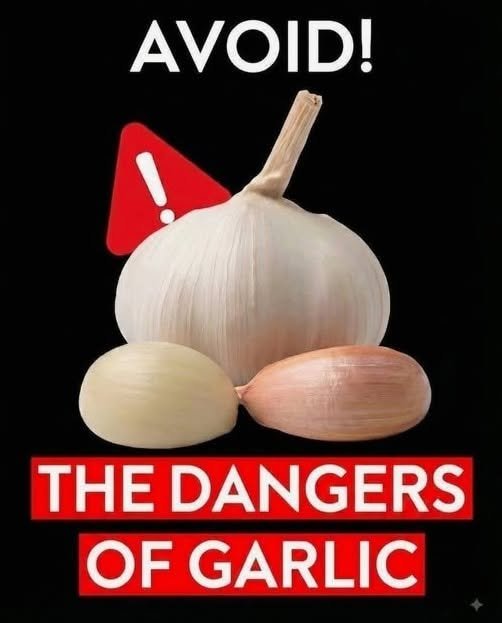
However, what if the “stinking rose” isn’t as universally safe as we have been led to believe? What if the very same compounds that make garlic a powerful natural remedy are also capable of causing severe medical complications? The image before us—featuring a large bulb of garlic and two smaller shallots, stamped with a stark red warning sign and the bold command “AVOID!”—is a jarring reminder that even nature’s most potent foods can have a dark side.
While the vast majority of people can consume garlic without issue, there is a significant, often-overlooked subset of the population for whom garlic poses a genuine threat. From silent, life-threatening interactions with prescription medications to severe chemical burns, blinding migraines, and excruciating digestive distress, the dangers of garlic are not just old wives’ tales. They are medically documented, scientifically proven realities that are frequently swept under the rug by the multi-million-dollar supplement industry and wellness influencers.
This comprehensive guide is dedicated entirely to the shocking dangers of garlic that nobody talks about. We will explore the hidden risks of this ubiquitous ingredient, detailing who should absolutely avoid it, how it interferes with medical treatments, and why it can sometimes cause more harm than good. By the end of this article, you will have a complete understanding of the cautionary side of garlic, empowering you to make informed decisions about what goes on your plate and in your medicine cabinet.
The Blood-Thinning Effect: A Silent, Bleeding Risk
The most serious and medically significant danger associated with garlic is its profound effect on blood coagulation.
How Garlic Interferes with Clotting
Garlic contains a compound called allicin, which is created when the garlic is crushed, chopped, or chewed. Allicin and its derivatives possess potent antiplatelet properties. This means they inhibit the ability of blood platelets to clump together—a process that is essential for forming blood clots and stopping bleeding.
While this effect is often touted as a benefit for cardiovascular health (as it can reduce the risk of dangerous clots), it becomes a severe hazard in specific situations. When the blood is chemically prevented from clotting efficiently, the risk of excessive bleeding skyrockets.
Signs of a Potential Problem
For individuals consuming large amounts of raw garlic or taking concentrated garlic supplements, the blood-thinning effect can manifest in several uncomfortable and dangerous ways:
Easy bruising: Even minor bumps can result in large, dark bruises.
Prolonged bleeding from cuts: Minor scrapes or paper cuts may take significantly longer to stop bleeding.
Frequent nosebleeds: Unexplained or persistent nosebleeds can occur.
Bleeding gums: Brushing your teeth or flossing may result in gums that bleed excessively.
Gastrointestinal bleeding: In severe cases, this can cause dark, tarry stools and symptoms of blood loss, such as dizziness and fatigue.
Who Is Most at Risk?
The risk of garlic-induced bleeding is dramatically amplified for individuals who are already taking anticoagulant or antiplatelet medications. These include common drugs like:
Warfarin (Coumadin)
Aspirin
Clopidogrel (Plavix)
Apixaban (Eliquis)
Rivaroxaban (Xarelto)
Combining these medications with heavy garlic consumption (especially in supplement form) can create a dangerous synergistic effect, leading to spontaneous internal bleeding or severe hemorrhaging from a minor injury.
The Surgical Danger: Why Doctors Say “Stop”
Because of garlic’s potent antiplatelet properties, it poses a critical danger during surgery and medical procedures.
The Perioperative Risk
Medical guidelines universally recommend that patients discontinue the use of concentrated garlic supplements at least seven to fourteen days prior to any scheduled surgery. This includes major operations, minor procedures, and even dental work.
If garlic is still active in the bloodstream during a procedure, the patient’s blood will not clot properly. This can lead to severe, uncontrolled bleeding during the operation, difficulty achieving hemostasis (stopping the bleeding), and a significantly prolonged recovery period. It can also lead to dangerous post-operative bleeding and hematoma formation.
Despite this well-known risk, many patients forget to disclose their use of “natural” supplements to their surgeons, putting themselves in unnecessary danger.
The Digestive Rebellion: Heartburn, GERD, and IBS
For many people, garlic is not just a culinary delight; it is a one-way ticket to severe gastrointestinal distress. While cooked garlic is generally better tolerated, raw garlic is a notorious trigger for a host of digestive issues.
The Sphincter Relaxation and Acid Reflux
Garlic is a known potent trigger for Gastroesophageal Reflux Disease (GERD) and acid reflux. The intense concentration of sulfur compounds in garlic can irritate the delicate lining of the esophagus and the stomach. More importantly, garlic has a relaxing effect on the lower esophageal sphincter (LES), the muscular valve that separates the stomach from the esophagus.
When the LES relaxes inappropriately, stomach acid and partially digested food can flow backward into the esophagus, causing the classic symptoms of heartburn: a burning sensation in the chest, a sour taste in the mouth, and a persistent cough. For chronic GERD sufferers, even a small amount of garlic can trigger a severe flare-up.
The FODMAP Problem and IBS
Garlic is exceptionally rich in fructans, a type of complex carbohydrate that falls under the category of FODMAPs (Fermentable Oligosaccharides, Disaccharides, Monosaccharides, and Polyols).
For individuals with Irritable Bowel Syndrome (IBS) or a sensitive gut, fructans are notoriously difficult to digest. Because the human body lacks the enzyme necessary to break them down, the fructans travel to the large intestine, where they become a feast for gut bacteria. This fermentation process produces a massive amount of gas, leading to severe abdominal bloating, cramping, pain, diarrhea, and flatulence. For a person with IBS, eating garlic can cause days of debilitating discomfort.
The Medication Minefield: Dangerous Drug Interactions
Beyond blood thinners, garlic interacts with a variety of other prescription medications, altering their efficacy or causing dangerous side effects.
HIV Protease Inhibitors
This is a highly specific and dangerous interaction. Garlic supplements have been shown to significantly reduce the blood levels of saquinavir, a medication used to treat HIV. A study published in the journal Clinical Infectious Diseases found that garlic supplements reduced the effectiveness of this drug by nearly 50%, potentially allowing the virus to replicate and compromise the patient’s immune system.
Blood Pressure Medications
Because garlic has a mild blood-pressure-lowering effect, taking it alongside prescription antihypertensive medications (such as ACE inhibitors, beta-blockers, or calcium channel blockers) can cause blood pressure to drop too low. This condition, known as hypotension, can lead to dizziness, fainting, and an increased risk of falls.
Immunosuppressants
Garlic possesses immune-stimulating properties. For individuals who have undergone organ transplants and are taking immunosuppressant drugs (like cyclosporine) to prevent organ rejection, the immune-boosting effect of garlic can actually work against them, potentially triggering a rejection episode.
Isoniazid
This is an antibiotic used to treat tuberculosis. Garlic has been shown to interfere with the absorption and effectiveness of this medication, which can lead to treatment failure and the development of drug-resistant tuberculosis.
Garlic Allergies and Severe Skin Reactions
While a true garlic allergy is relatively uncommon (affecting about 1% to 2% of the population), when it does occur, it can be severe and life-threatening.
Anaphylaxis and Systemic Reactions
A true garlic allergy occurs when the immune system mistakenly identifies the proteins in garlic as a hostile invader. Symptoms can range from mild to severe and may include:
Hives and itching (urticaria)
Swelling of the lips, tongue, and throat (angioedema)
Difficulty breathing and wheezing
Nausea, vomiting, and diarrhea
Anaphylaxis: A severe, life-threatening allergic reaction that causes a sudden drop in blood pressure and airway constriction, requiring immediate emergency treatment with epinephrine.
People with an allergy to other plants in the Allium genus (like onions, leeks, shallots, and chives) may also be cross-reactive to garlic.
Chemical Burns and Contact Dermatitis
A highly dangerous but common “natural remedy” hack involves applying raw garlic directly to the skin to treat acne, warts, or fungal infections. This is a dermatological nightmare.
Raw garlic contains high concentrations of sulfuric acid and other caustic compounds. When applied topically, it can cause severe irritant contact dermatitis, characterized by intense redness, blistering, and pain. There are numerous documented medical case reports of patients suffering second-degree chemical burns after taping crushed garlic to their skin overnight. Garlic should never be applied undiluted to the skin.
The Social Toll: Bad Breath and Body Odor
While not a life-threatening medical condition, the olfactory assault of garlic is a genuine social concern that can affect personal and professional relationships.
The Science of Garlic Breath
Garlic breath is not easily washed away with a mint. The sulfur compounds responsible for the pungent odor (specifically allyl methyl sulfide, or AMS) are absorbed into the bloodstream during digestion. They are then carried to the lungs, where they are exhaled with every breath. This is why the smell can linger for hours, or even days, after consumption, regardless of how vigorously you brush your teeth.
Systemic Body Odor
The same sulfur compounds are also excreted through the pores of the skin via sweat. This can lead to a persistent, garlicky body odor that is difficult to mask. For individuals who consume large amounts of raw garlic regularly, this can be a chronic and embarrassing issue.
Special Populations: Pregnancy, Children, and Pets
The dangers of garlic extend to specific vulnerable populations who are unable to process its potent compounds safely.
Pregnancy and Breastfeeding
While garlic in culinary amounts is generally safe during pregnancy, the use of concentrated garlic supplements is not recommended. The blood-thinning effect poses a risk during delivery, and the safety of high-dose garlic on the developing fetus has not been definitively established. Furthermore, the strong flavor can pass into breast milk, which some infants may find highly objectionable, leading to nursing strikes or gastrointestinal upset in the baby.
Children
Garlic supplements should never be given to children without the explicit guidance of a pediatrician. The concentrated doses can overwhelm a child’s delicate digestive system and pose a risk of bleeding.
The Danger to Pets: Hemolytic Anemia
This is a crucial warning for pet owners. Garlic is highly toxic to both dogs and cats.
Garlic belongs to the Allium family, and all members of this family (including onions) contain compounds called thiosulfates. Dogs and cats lack the enzyme necessary to process these thiosulfates. When ingested, these compounds cause severe oxidative damage to the red blood cells, leading to a condition called hemolytic anemia, where the body destroys its own red blood cells faster than it can replace them.
Symptoms of garlic poisoning in pets include:
Weakness and lethargy
Pale gums
Rapid heart rate
Dark, reddish urine (due to hemoglobinuria)
Vomiting and diarrhea
Collapse
Even small amounts of garlic powder in pet food or treats can accumulate to toxic levels over time. Garlic is never safe for pets.
The Hidden Dangers of Garlic Supplements
The wellness industry has commodified garlic into hundreds of different supplement forms: aged garlic extract, garlic oil, garlic powder capsules, and concentrated allicin pills. These supplements are often marketed as miracle cures, but they carry a much higher risk than the fresh cloves in your kitchen.
Lack of Regulation and Unpredictable Dosing
Dietary supplements are not regulated by the FDA in the same way prescription medications are. The actual amount of active allicin in a supplement can vary wildly from what is listed on the label. This unpredictability makes it impossible to know exactly how much you are taking, increasing the risk of accidental overdose and dangerous side effects.
Concentrated Toxicity
When you eat a clove of garlic, the natural matrix of the plant helps buffer its effects. In a concentrated supplement, you are getting a massive dose of sulfur compounds all at once. This can cause severe gastrointestinal irritation, intense heartburn, and a much stronger blood-thinning effect than culinary use.
Conclusion: The Two Sides of the Stinking Rose
Garlic is a culinary paradox. It is a beloved ingredient that has been used for millennia to flavor food and improve health. For the vast majority of people, garlic is a safe and beneficial addition to the diet.
However, the prominent red warning sign in the image is a necessary reminder that garlic is not without its dangers. The shocking risks—from severe bleeding complications and dangerous drug interactions to crippling heartburn, skin burns, and toxicity in pets—are real and medically documented.
If you take blood thinners, have a scheduled surgery, suffer from severe GERD or IBS, or have pets in your home, you must treat garlic with extreme caution. Even if you don’t fall into these categories, it is wise to consume garlic in moderation and avoid topical application at all costs. As with all potent natural substances, respect the power of the stinking rose, and always consult a healthcare provider before incorporating concentrated forms or supplements into your routine.
Frequently Asked Questions
Is garlic really dangerous?
For most people, garlic in culinary amounts is safe. However, it can be dangerous for individuals taking blood thinners, those preparing for surgery, people with severe acid reflux or IBS, and pets. Concentrated supplements pose higher risks.
Can garlic cause internal bleeding?
Yes. Garlic has antiplatelet properties that inhibit blood clotting. While mild with dietary consumption, it can significantly increase the risk of severe bleeding when taken in high doses or combined with anticoagulant medications like warfarin or aspirin.
Why do doctors tell you to stop eating garlic before surgery?
Garlic thins the blood and impairs platelet function. Doctors recommend stopping garlic supplements at least 1-2 weeks before surgery to prevent excessive bleeding during and after the procedure.
Is garlic toxic to dogs and cats?
Yes. Garlic is highly toxic to dogs and cats. It contains thiosulfates that cause hemolytic anemia, where the body destroys its own red blood cells. Never feed garlic or garlic-containing foods to pets.
Can putting garlic on the skin cause a burn?
Yes. Raw garlic contains potent sulfuric acid. Applying it directly to the skin can cause severe irritant contact dermatitis and chemical burns. It should never be used as a topical remedy.
Does garlic cause heartburn?
Yes, garlic is a common trigger for heartburn and acid reflux. It relaxes the lower esophageal sphincter, allowing stomach acid to flow back up into the esophagus.
Can garlic interact with HIV medication?
Yes. Garlic supplements have been shown to significantly reduce the blood levels of saquinavir, an HIV protease inhibitor, potentially compromising the effectiveness of the treatment.
Why does garlic make my stomach hurt?
Garlic is high in fructans, a type of carbohydrate that is difficult to digest. In people with sensitive stomachs or IBS, it can ferment in the gut, causing severe gas, bloating, and abdominal pain.
Is garlic bad for pregnancy?
Garlic in culinary amounts is generally safe. However, concentrated garlic supplements should be avoided during pregnancy due to the potential risk of bleeding and lack of safety data.
What is allicin?
Allicin is the primary active compound in garlic. It is responsible for garlic’s characteristic smell, as well as its antimicrobial and blood-thinning properties. It is also the compound most responsible for garlic’s side effects and interactions.