The First Symptoms of Vitiligo: Understanding the White Spots on Your Skin
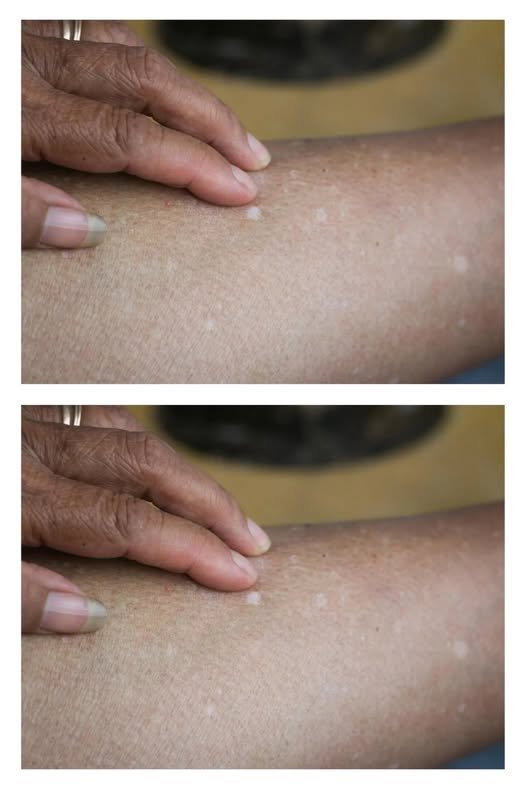
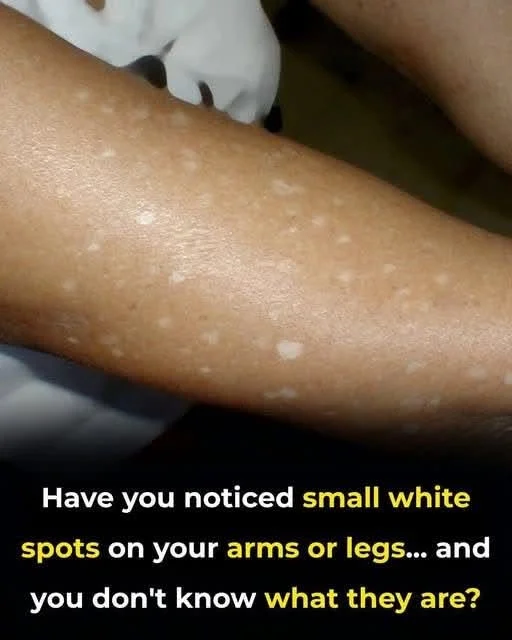
Discovering new, unexplained white spots on your skin can be an alarming and deeply unsettling experience. The images circulating on social media, showing an older adult’s arm dotted with distinct, milk-white patches, have sparked widespread curiosity and concern. The caption, “These are the first symptoms of a…”, leaves the diagnosis ominously incomplete, driving millions to search for answers. While white spots on the skin can be caused by a variety of factors, the specific presentation in these images is a classic hallmark of a condition known as Vitiligo.
Vitiligo is a chronic, autoimmune condition that causes the loss of pigment in the skin, resulting in smooth, white patches. It affects approximately 1% to 2% of the global population, striking people of all ages, genders, and ethnicities. While it is not contagious and is generally not physically harmful, the condition can have a profound impact on a person’s self-esteem, mental health, and quality of life.
Understanding the early warning signs, the underlying science, and the available treatment options is crucial for anyone navigating this diagnosis. This comprehensive guide will serve as your definitive resource on the first symptoms of Vitiligo, exploring the biology of skin pigmentation, the different types of the condition, the psychological impact, and the most effective medical and holistic strategies for managing it. By the end of this article, you will have a complete understanding of what those white spots mean and how to take control of your skin health.
The Anatomy of Skin Pigmentation: Why Do We Have Color?
To understand what happens in Vitiligo, it is essential to first understand how normal skin pigmentation works. The color of our skin, hair, and eyes is determined by a complex pigment called melanin.
The Role of Melanocytes
Melanin is produced by specialized cells located in the basal layer of the epidermis (the top layer of the skin) called melanocytes. These cells act as tiny factories, synthesizing melanin and packaging it into organelles called melanosomes. These melanosomes are then transferred to surrounding skin cells (keratinocytes), where they cluster around the nucleus and protect the DNA from damage caused by ultraviolet (UV) radiation from the sun.
The amount and type of melanin produced—determined by our genetics—dictate our skin color. People with darker skin have melanocytes that produce more melanin and larger melanosomes, while those with lighter skin produce less.
What Happens in Vitiligo?
In Vitiligo, the body’s immune system malfunctions and mistakenly identifies the melanocytes as foreign invaders. The immune system launches a targeted attack, destroying these pigment-producing cells. Without melanocytes, the skin can no longer produce melanin. The result is the appearance of smooth, white patches of skin, which are highly vulnerable to sunburn. It is important to note that while the melanocytes in the affected areas are destroyed, the skin’s texture, sensation, and sweat glands remain completely normal.
The First Symptoms of Vitiligo: What to Look For
The progression of Vitiligo is highly unpredictable. For some, it may remain confined to a small area for years; for others, it may spread rapidly across the body. However, the condition typically begins with a few specific, recognizable signs.
1. The Appearance of White Patches
The most obvious and defining symptom of Vitiligo is the presence of depigmented patches. These patches are usually:
Milk-white or chalky: The loss of pigment is often complete, leaving a stark white color that contrasts sharply with the surrounding skin.
Well-demarcated: The edges of the white spots are usually distinct and clearly defined, although they can sometimes be slightly blurred in the early stages.
Smooth: The skin within the patch is usually smooth to the touch, without scaling, crusting, or flaking. Itching is rarely reported.
Symmetrical (in most cases): The patches often appear on both sides of the body in a roughly symmetrical pattern.
2. Common Locations for Early Onset
Vitiligo can appear anywhere on the body, but it has a strong preference for specific areas. The early symptoms often manifest in:
Sun-exposed areas: The face, lips, hands, feet, arms, and legs.
Body folds and creases: The armpits, groin, genitals, and around the eyes and mouth.
Areas of trauma: Patches may appear at sites of previous skin injury, such as cuts, scrapes, burns, or severe sunburns. This is a phenomenon known as the Koebner phenomenon.
Around body openings: The orifices of the body, including the mouth, eyes, nostrils, and ears.
Hair: Vitiligo can also affect the hair, causing premature whitening or graying of the hair on the scalp, eyebrows, eyelashes, or beard (a condition known as leukotrichia).
3. The Progression of the Spots
In the beginning, the patches are often small and localized. Over time, they may slowly enlarge and merge to form larger areas of depigmentation. The rate of progression varies wildly. Some people experience a rapid spread over a few months, while others may have stable patches for years before experiencing a new flare-up.
The Different Types of Vitiligo
Medical professionals classify Vitiligo into different types based on the pattern and distribution of the white patches. Understanding these classifications helps doctors determine the best course of treatment.
Non-Segmental Vitiligo (Generalized)
This is the most common type, accounting for about 85% to 90% of cases. It typically appears symmetrically on both sides of the body. It often begins on the hands, fingertips, around the eyes or mouth, or in areas that experience friction. It can spread to other parts of the body over time.
Segmental Vitiligo
This type is much less common. It typically affects only one side or one part of the body (unilateral). It usually starts at a younger age and progresses rapidly for a year or two before stabilizing. Segmental Vitiligo is generally considered less likely to spread to other areas of the body compared to non-segmental Vitiligo.
Focal Vitiligo
In this rare type, one or more white patches are present in a single area but do not follow a specific pattern or distribution. If the patches do not spread within one to two years, it is often diagnosed as focal.
Acrofacial Vitiligo
This type is characterized by depigmentation that is limited to the fingers, toes, and face (especially around the mouth and eyes).
Mucosal Vitiligo
This affects the mucous membranes, such as the lips, the inside of the mouth, and the genitals.
Universal Vitiligo
This is the rarest and most severe form, where depigmentation covers nearly the entire body.
Other Causes of White Spots: Distinguishing Vitiligo
While the images circulating on social media strongly suggest Vitiligo, it is crucial to recognize that not all white spots are created equal. There are several other conditions that can cause hypopigmentation (loss of color).
Idiopathic Guttate Hypomelanosis (IGH)
This is an incredibly common, harmless condition that causes small, 2 to 5 mm white spots, usually on the arms and legs of older adults. Unlike Vitiligo, the spots in IGH are usually smaller (“confetti-like”), less starkly white, and do not typically grow or merge. They are a natural part of the aging process caused by sun exposure.
Tinea Versicolor
This is a fungal infection of the skin that causes small, discolored patches (which can be lighter or darker than the surrounding skin). Unlike Vitiligo, these patches often have a fine scale or flaky texture and are most common on the chest, back, and shoulders.
Pityriasis Alba
This is a common, mild skin condition that primarily affects children and young adults. It causes round or oval, pale patches, usually on the face and upper arms. It is often associated with eczema and dry skin.
Post-Inflammatory Hypopigmentation
After a skin injury (like a burn, severe acne, or psoriasis), the skin may heal with a lighter patch. This is usually temporary and resolves over time.
The Autoimmune Connection: What Causes Vitiligo?
The exact cause of Vitiligo is not fully understood, but medical science points to a complex interplay of genetics, environmental factors, and immune system dysfunction.
The Autoimmune Theory
The prevailing theory is that Vitiligo is an autoimmune disease. For reasons not yet fully understood, the body’s immune system becomes confused and creates antibodies that target and destroy the melanocytes.
Genetics
Vitiligo is not strictly a hereditary condition, but genetics do play a significant role. About 20% to 30% of people with Vitiligo have a family member with the condition. Certain gene mutations have been linked to an increased risk of developing Vitiligo.
Environmental Triggers
Genetics alone are not enough to cause Vitiligo. It is believed that an environmental trigger is necessary to activate the condition. Common triggers include:
Severe emotional stress or trauma.
Severe sunburn.
Skin injury or trauma (the Koebner phenomenon).
Exposure to certain industrial chemicals.
Another autoimmune disease. Vitiligo is often associated with other autoimmune conditions, such as thyroid disease (Hashimoto’s or Graves’ disease), Type 1 diabetes, rheumatoid arthritis, and Addison’s disease.
The Emotional and Psychological Impact
Vitiligo is often described as a condition that is “more than skin deep.” Because it is highly visible, it can have a devastating impact on a person’s mental health.
The Social Stigma
People with Vitiligo often face social stigma, ignorance, and stares. In some cultures, the condition is wrongly believed to be contagious or a sign of poor hygiene. This can lead to social isolation, discrimination, and profound embarrassment.
The “Michael Jackson” Effect
The late pop icon Michael Jackson brought global attention to Vitiligo when he publicly revealed his diagnosis. While this helped to increase awareness, it also placed a spotlight on the condition, highlighting the intense scrutiny and psychological burden that comes with living with a highly visible skin disorder.
Self-Esteem and Depression
Studies show that individuals with Vitiligo have a significantly higher risk of developing depression, anxiety, and low self-esteem. The constant effort to conceal the patches with makeup, clothing, or avoidance of social situations can be exhausting. It is vital for patients to have access to psychological support and counseling to help them navigate the emotional challenges of the condition.
Diagnosing Vitiligo
If you notice new white spots on your skin, it is essential to consult a dermatologist. The diagnosis of Vitiligo is usually straightforward and can often be made through a physical examination.
The Wood’s Lamp
A dermatologist may use a Wood’s lamp, a special UV light, to examine the skin. Under the light, the depigmented areas of Vitiligo will appear bright, chalky blue-white, distinguishing them from other conditions.
Blood Tests
Because Vitiligo is often linked to other autoimmune diseases, your doctor may recommend blood tests to check for thyroid function, diabetes, and other related conditions.
Skin Biopsy
In rare cases, a small skin biopsy may be performed to confirm the absence of melanocytes in the affected area.
Treatment and Management Options
Currently, there is no cure for Vitiligo. However, there are several medical treatments available that can help to restore pigment (repigmentation) and stop the progression of the disease.
Topical Medications
Corticosteroids: Strong topical steroid creams can help to suppress the immune system’s attack on the melanocytes. They are usually prescribed for small areas and must be used under medical supervision due to potential side effects like skin thinning.
Calcineurin Inhibitors: Medications like tacrolimus and pimecrolimus are non-steroidal creams that can be used on sensitive areas like the face and neck.
Light Therapy
Narrowband UVB Phototherapy: This is one of the most effective treatments for widespread Vitiligo. The patient stands in a light booth or uses a handheld device to expose the skin to specific wavelengths of UV light, which can stimulate melanocytes to regrow.
Excimer Laser: A targeted form of light therapy that is used for small, localized patches of Vitiligo.
Surgical Options
For stable Vitiligo (patches that have not changed in size for at least 12 months), surgical options may be considered. This involves taking healthy, pigmented skin from one part of the body and grafting it onto the depigmented areas.
Depigmentation
For individuals with Vitiligo that affects a very large portion of their body (over 50%), a treatment called depigmentation may be an option. This involves using a medication to lighten the remaining pigmented skin so that the entire body has a uniform, white color. This is a permanent decision and requires careful consideration.
Living Well with Vitiligo: Practical Strategies
Managing Vitiligo goes beyond medical treatments. Lifestyle adjustments and self-care are crucial for protecting the skin and maintaining a positive quality of life.
Sun Protection is Paramount
Because depigmented skin lacks the protective melanin, it is highly susceptible to severe sunburn. Sunburn can also trigger new patches of Vitiligo. It is essential to:
Use a broad-spectrum sunscreen with an SPF of 30 or higher every day.
Wear protective clothing, including long sleeves and wide-brimmed hats.
Seek shade during peak sun hours.
Camouflage and Cosmetics
Many people use cosmetics, self-tanners, and camouflage makeup to even out their skin tone. These products can provide a sense of control and boost self-confidence.
Support and Community
Connecting with others who have Vitiligo can be incredibly empowering. Support groups, both in-person and online, provide a safe space to share experiences, treatment tips, and emotional support. Organizations like the Vitiligo Research Foundation and the American Academy of Dermatology offer valuable resources.
Embracing Your Skin
In recent years, there has been a growing movement to embrace skin diversity. Models with Vitiligo, like Winnie Harlow, have become global icons, challenging traditional beauty standards and celebrating the unique patterns of their skin. While the journey to acceptance is different for everyone, embracing your skin and rejecting the stigma is a powerful act of self-love.
Conclusion: Understanding the White Spots
The appearance of white spots on the skin, as shown in the viral images, is a defining symptom of Vitiligo. While it is a chronic condition that currently has no cure, it is not contagious, and it is not a threat to your physical health. By understanding the early signs, the autoimmune nature of the disease, and the available treatment options, you can take proactive steps to manage it effectively.
The most important takeaway is that Vitiligo is a highly manageable condition. From advanced medical therapies like phototherapy and topical treatments to the simple daily habit of sun protection, there are many ways to slow the progression and restore pigment. Furthermore, the emotional support from communities and the growing visibility of individuals with Vitiligo in popular culture are helping to dismantle the stigma associated with the condition. Your skin tells a unique story; if that story includes Vitiligo, it is a story of resilience, strength, and the beautiful diversity of the human body.
Frequently Asked Questions
What are the first symptoms of Vitiligo?
The first symptoms are usually the appearance of smooth, milk-white patches of skin that appear suddenly or gradually. These patches are often found on sun-exposed areas like the hands, face, and arms, or in body creases. The skin within the patches is usually not itchy or flaky.
Is Vitiligo contagious?
No. Vitiligo is an autoimmune condition and is not contagious. You cannot catch it from or pass it to someone through physical contact.
What is the main cause of Vitiligo?
Vitiligo is caused by the immune system mistakenly attacking and destroying melanocytes (the pigment-producing cells in the skin). Genetics and environmental triggers, such as severe stress or skin injury, are believed to play a role in triggering the condition.
Can white spots be something other than Vitiligo?
Yes. Other conditions like Idiopathic Guttate Hypomelanosis (small, age-related white spots), Tinea Versicolor (a fungal infection), and Pityriasis Alba (a dry skin condition) can also cause white patches. It is important to see a dermatologist for an accurate diagnosis.
Is there a cure for Vitiligo?
Currently, there is no known cure for Vitiligo. However, there are medical treatments—such as topical corticosteroids, calcineurin inhibitors, and phototherapy—that can help stop the progression of the disease and restore pigment to the affected areas.
Can Vitiligo affect the hair?
Yes. Vitiligo can affect the hair follicles, leading to premature whitening or graying of the hair on the scalp, eyebrows, eyelashes, or beard. This is known as leukotrichia.
How can I protect my skin if I have Vitiligo?
Because depigmented skin lacks melanin, it is highly vulnerable to sunburn. It is essential to apply a broad-spectrum sunscreen with an SPF of 30 or higher daily, wear protective clothing, and avoid prolonged direct sun exposure.
Is Vitiligo linked to other health conditions?
Yes. Vitiligo is often associated with other autoimmune conditions, such as thyroid disease (Hashimoto’s or Graves’ disease), Type 1 diabetes, and Addison’s disease. Your doctor may recommend blood tests to screen for these conditions.
Can stress cause Vitiligo?
While stress alone does not cause Vitiligo, it is considered a common environmental trigger that can lead to the onset or rapid progression of the condition in people who are genetically predisposed to it. Managing stress through relaxation techniques can be a helpful part of a holistic management plan.