The 5 Critical Symptoms of a Mini-Stroke in Older Adults: Recognizing the Warning Signs
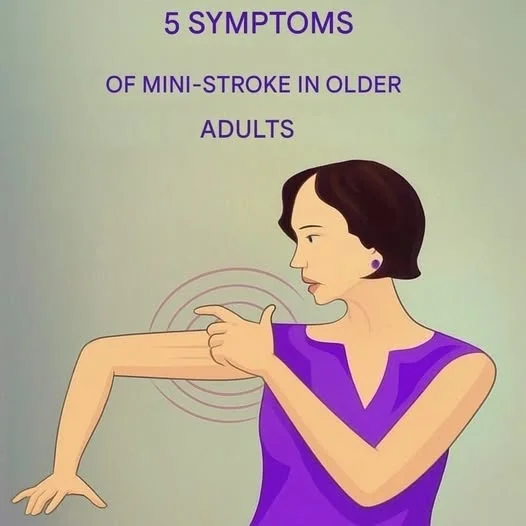
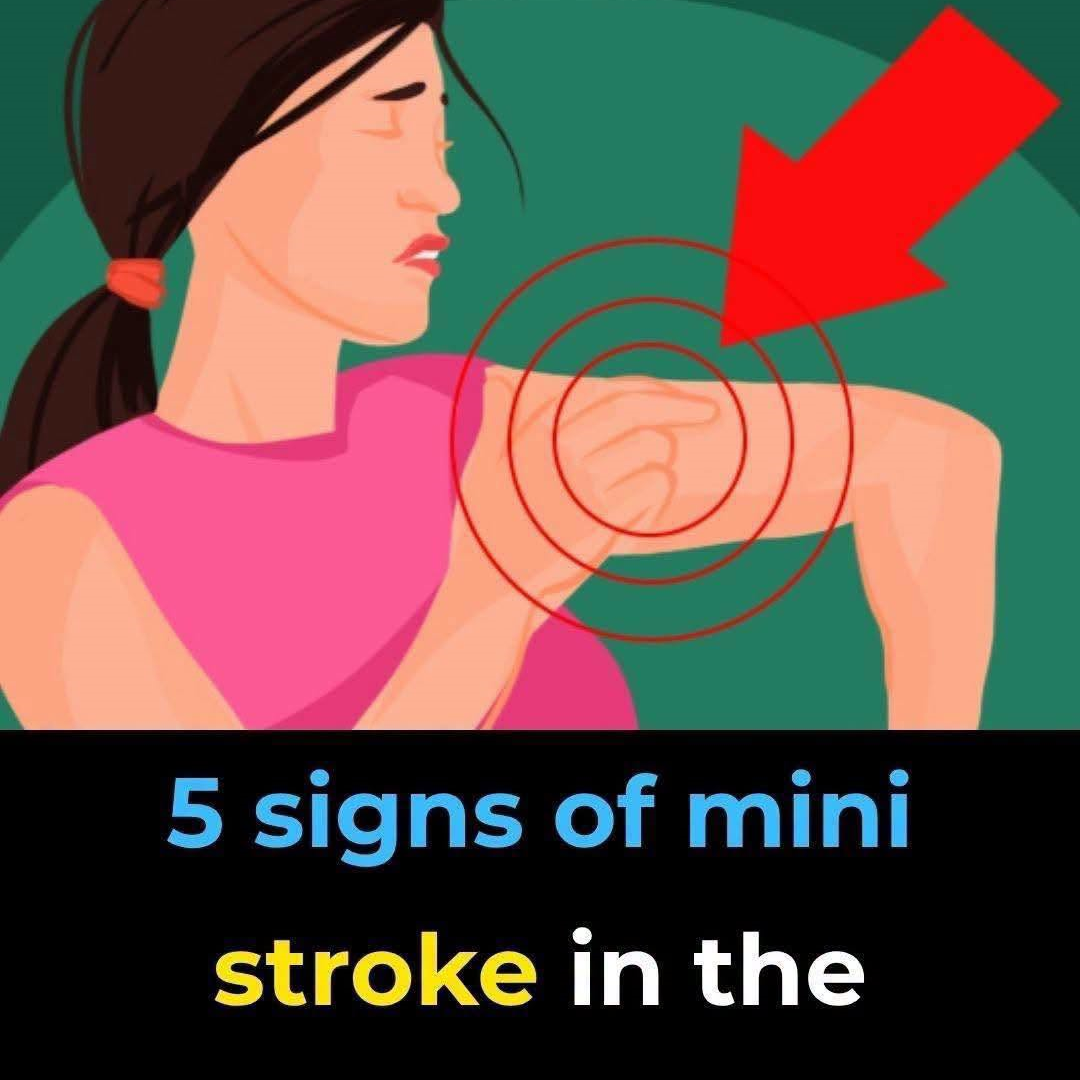
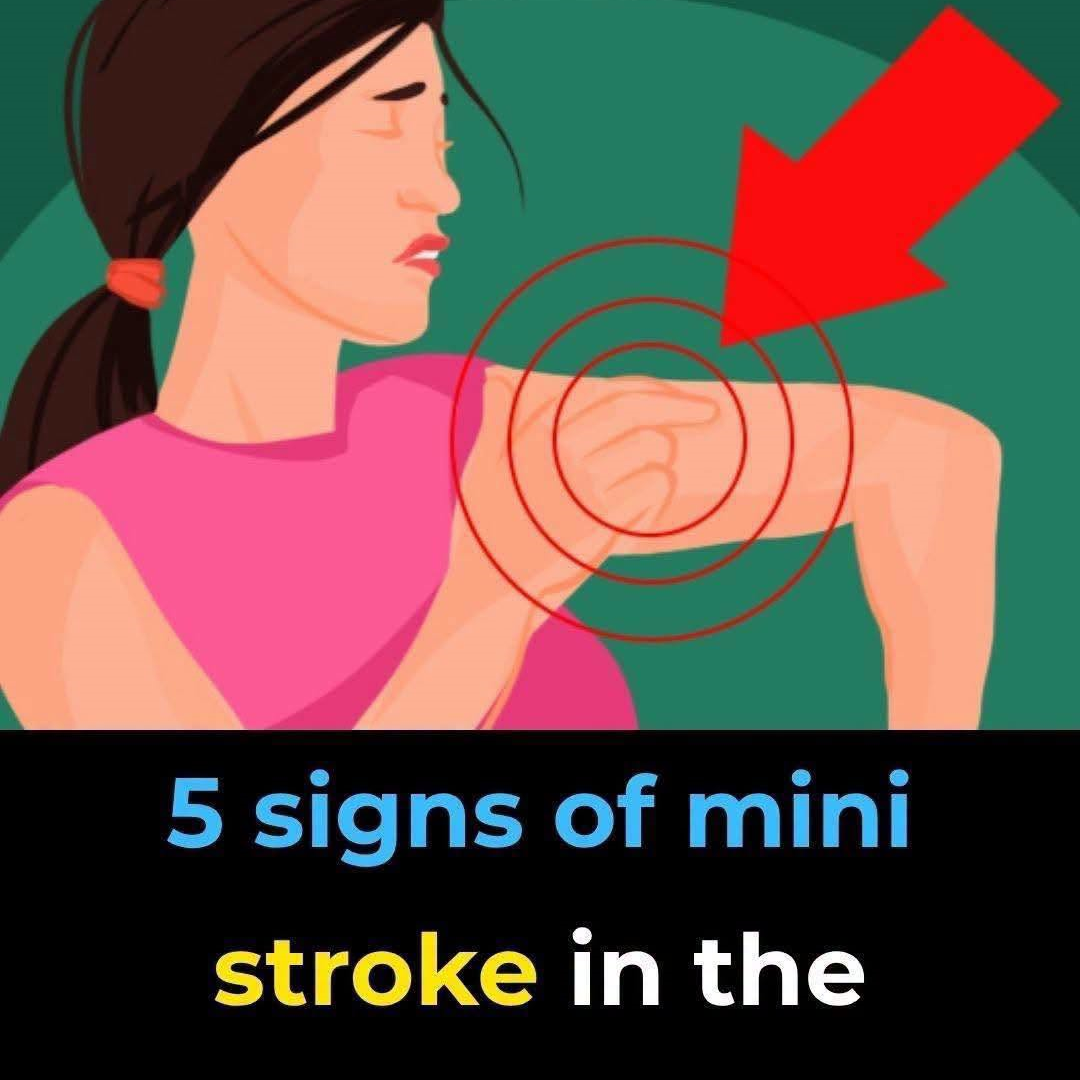
A mini-stroke, medically known as a Transient Ischemic Attack (TIA), is a terrifying and often misunderstood medical event. It acts as a temporary disruption of blood flow to a specific part of the brain, causing stroke-like symptoms that typically resolve within a few minutes to a few hours. For older adults, recognizing the symptoms of a mini-stroke is not just a matter of general health awareness—it is a critical, potentially life-saving skill. The viral image depicting an older woman experiencing sudden weakness or numbness in her arm is a powerful visual representation of just one of the five primary warning signs.
As we age, the risk of cardiovascular events, including TIAs and full-blown strokes, increases significantly. The blood vessels become less flexible, and the likelihood of developing blood clots or plaque buildup rises. When a mini-stroke occurs, the brain is essentially sending out a frantic distress signal. It is a warning that a major, potentially disabling stroke may be imminent. The risk of a major stroke is highest in the hours and days immediately following a TIA. Therefore, understanding these five critical symptoms, recognizing them in yourself or a loved one, and acting with urgency is paramount.
This comprehensive guide will meticulously detail the five primary symptoms of a mini-stroke in older adults. We will explore the physiological mechanisms behind each symptom, provide clear, practical ways to test for them, and explain exactly what to do if they occur. By the end of this article, you will be equipped with the knowledge to identify a TIA quickly and take decisive action to protect brain health and save a life.
What is a Mini-Stroke (TIA)?
Before diving into the specific symptoms, it is essential to understand what is actually happening during a mini-stroke. A TIA occurs when a blood clot or a piece of plaque temporarily blocks an artery supplying blood to the brain. Because the blockage is brief, the brain tissue does not suffer permanent damage, and the symptoms disappear.
However, the word “mini” is dangerously deceptive. A mini-stroke is a massive red flag. According to medical research, up to 15% of people who experience a TIA will have a major stroke within three months, with the highest risk occurring within the first 48 hours. In older adults, whose bodies have less physiological reserve to cope with a major neurological event, the stakes are even higher.
The 5 Symptoms of a Mini-Stroke in Older Adults
The symptoms of a mini-stroke are identical to those of a major stroke. They often come on suddenly and without warning. The key difference is that they usually resolve on their own. However, the fleeting nature of these symptoms makes them easy to dismiss. Here are the five critical symptoms every older adult and their caregivers must know.
1. Sudden Weakness or Numbness in the Arm, Face, or Leg
This is perhaps the most widely recognized symptom, and the one depicted in the image. A person may suddenly experience a profound weakness, heaviness, or numbness on one side of the body.
The Arm: You might feel as though your arm has “fallen asleep” and you cannot lift it. You may drop objects unexpectedly, or your arm may simply hang limply at your side. The image perfectly illustrates a person trying to move their arm but finding it unresponsive or weak.
The Leg: Similarly, one leg may become weak, causing you to stumble, drag your foot, or suddenly fall.
The Face: Numbness or weakness on one side of the face can cause the mouth to droop or the eyelid to sag.
How to Test: Ask the person to raise both arms straight out in front of them with their eyes closed for ten seconds. If one arm drifts downward, or if they cannot lift one arm at all, this is a major warning sign.
2. Facial Drooping and Asymmetry
Facial drooping is one of the most visible and alarming signs of a mini-stroke. It occurs when the muscles on one side of the face become paralyzed or weak due to a lack of blood flow to the motor cortex of the brain.
The Smile Test: If you suspect a mini-stroke, ask the person to smile. A normal smile is symmetrical. If one side of the mouth does not lift, or if the smile looks crooked or lopsided, it is a critical red flag.
Other Signs: You might also notice a flattened nasolabial fold (the line between the nose and mouth), an inability to close one eye, or a sudden drooping of the eyelid.
In older adults, facial asymmetry can sometimes be mistakenly attributed to aging, dental issues, or Bell’s palsy. However, when it occurs suddenly, especially alongside other symptoms, a mini-stroke must be the primary suspect.
3. Speech and Language Difficulties
The brain’s language centers can be temporarily starved of oxygen during a TIA, leading to sudden and dramatic changes in a person’s ability to speak or understand language. This is a highly specific and urgent symptom.
Slurred Speech (Dysarthria): The person may sound as if they are intoxicated. Their words may run together, or they may have difficulty pronouncing consonants. This occurs when the muscles of the mouth and throat lack the coordination they need.
Aphasia: The person may suddenly be unable to find the right words, or they may substitute nonsensical words in a sentence.
Confusion: They may struggle to understand what you are saying, appearing confused or disoriented in a way that is unusual for them.
How to Test: Ask the person to repeat a simple, common sentence, such as “The sky is blue” or “The grass is green.” Listen for any slurring, hesitation, or inappropriate word choices.
4. Sudden Vision Problems
Visual disturbances are a common but often overlooked symptom of a mini-stroke, particularly in older adults who may already have age-related vision changes.
Loss of Vision in One Eye: This is known as amaurosis fugax, often described as a “curtain falling” over one eye. Vision may become completely dark for a few seconds or minutes before returning.
Double Vision (Diplopia): The person may suddenly see two of everything, making it difficult to walk or focus.
Blurred Vision: Sudden, unexplained blurring in one or both eyes can indicate a problem in the brain’s visual processing centers or the optic nerve.
How to Test: Ask the person how many fingers you are holding up, or ask them to describe what they see around them. If they report double vision or a sudden blind spot, seek emergency help immediately.
5. Loss of Balance and Dizziness
The cerebellum and brainstem are responsible for coordinating movement and maintaining equilibrium. When a mini-stroke affects these areas, older adults can experience a sudden, terrifying loss of control over their bodies.
Vertigo: A sensation that the room is spinning, which can be accompanied by severe nausea and vomiting.
Ataxia: A loss of coordination that makes walking difficult or impossible. The person may suddenly veer to one side as if they are drunk.
Sudden Falls: A TIA can cause a sudden, unexplained fall without any environmental hazard being present.
For older adults, a sudden loss of balance is not just a neurological symptom; it is a massive risk factor for severe fractures, particularly hip fractures, which can lead to a devastating decline in mobility and independence.
The BE FAST Protocol for Older Adults
To make these five symptoms easier to remember and act upon, the BE FAST acronym is highly effective, especially for older adults and their caregivers.
B – Balance: Is there a sudden loss of balance, dizziness, or trouble walking?
E – Eyes: Is there sudden vision loss, double vision, or blurred vision?
F – Face: Is one side of the face drooping? Ask the person to smile.
A – Arms: Is one arm weak or numb? Ask the person to raise both arms.
S – Speech: Is speech slurred? Ask the person to repeat a simple phrase.
T – Time: If you observe any of these symptoms, call emergency services immediately. Note the time the symptoms started.
What to Do If You Recognize a Mini-Stroke
Even if the symptoms seem to be passing, a mini-stroke is a medical emergency.
Call Emergency Services Immediately: Do not attempt to drive yourself or the person to the hospital. Emergency medical teams can begin assessment and take you to a facility equipped to handle strokes.
Note the Exact Time: When did the symptoms start? This is the most critical piece of information for the doctors, as it determines the treatment protocol.
Do Not Take Medication: Do not give the person aspirin or any other medication, as some strokes are caused by bleeding, and these drugs can make it worse.
Keep the Person Calm: Reassure them, help them sit or lie down, and keep them still. Do not let them eat or drink anything, as swallowing may be impaired.
Why Older Adults Are at Higher Risk
While anyone can experience a TIA, the risk increases significantly with age. Several factors contribute to this:
Cumulative Vascular Wear: Over decades, the blood vessels can become stiff and narrowed due to plaque buildup (atherosclerosis).
Pre-existing Conditions: Older adults are more likely to have high blood pressure, high cholesterol, diabetes, and heart disease, all of which are major risk factors for strokes.
Atrial Fibrillation (AFib): This irregular heartbeat becomes more common with age and is a leading cause of blood clots that can travel to the brain.
Prevention and Management
If you or a loved one has experienced a mini-stroke, taking action to prevent a major stroke is essential. Medical professionals will typically recommend:
Blood Thinners: Medications like aspirin or anticoagulants to prevent future clots.
Blood Pressure Management: Controlling hypertension through diet, exercise, and medication.
Cholesterol Management: Using statins to lower LDL cholesterol and stabilize plaque.
Lifestyle Changes: Quitting smoking, limiting alcohol, eating a heart-healthy diet, and engaging in regular physical activity.
Conclusion
The five symptoms of a mini-stroke—sudden weakness, facial drooping, speech difficulties, vision problems, and loss of balance—are your body’s urgent warning system. For older adults, these signs must never be ignored or attributed to fatigue or aging. A mini-stroke is a window of opportunity; it is a chance to intervene before a catastrophic event occurs. Recognizing the signs, understanding the BE FAST protocol, and acting with speed and urgency can preserve independence, protect brain function, and ultimately save a life.
Frequently Asked Questions
What is the difference between a mini-stroke and a major stroke?
A mini-stroke (TIA) causes temporary symptoms that resolve, usually within 24 hours, without permanent brain damage. A major stroke causes lasting brain damage and permanent disability. However, a mini-stroke is a massive warning sign of a future major stroke.
Do mini-stroke symptoms always go away?
In a TIA, the symptoms usually resolve on their own, often within minutes to a few hours. However, the underlying cause (like a blood clot or narrowed artery) remains, and the risk of a major stroke is very high immediately following a TIA.
Can a mini-stroke happen without me knowing?
It is possible to have a “silent” stroke, which causes no obvious outward symptoms. However, true TIAs usually produce noticeable symptoms, even if they are fleeting. It is crucial to pay attention to sudden changes in your body.
What should I do if my arm suddenly goes numb?
If you experience sudden numbness or weakness, especially on one side of your body, call emergency services immediately. Do not wait to see if it goes away.
Are older adults more likely to have a mini-stroke?
Yes, the risk of a TIA increases significantly with age. This is due to the cumulative effects of risk factors like high blood pressure, high cholesterol, and heart disease over time.
What is the BE FAST test?
BE FAST is an acronym to help remember the signs of a stroke: Balance, Eyes, Face, Arms, Speech, and Time. It is a simple but highly effective tool for recognizing a stroke or mini-stroke.
Can a mini-stroke be prevented?
Many mini-strokes can be prevented by managing risk factors. This includes controlling blood pressure and cholesterol, managing diabetes, quitting smoking, exercising regularly, and taking prescribed medications like blood thinners.
Should I drive someone to the hospital if they are having a mini-stroke?
No. Never drive someone who may be having a stroke or mini-stroke. Call emergency services. The ambulance team can begin treatment immediately and take the patient to a specialized stroke center.