The Gentle Art of Unplugging: 5 Common Appliances to Unplug for Safety, Savings, and Peace of Mind
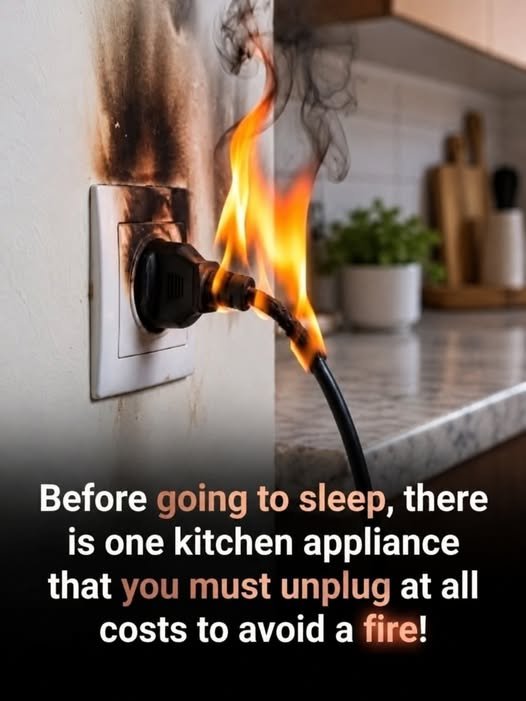
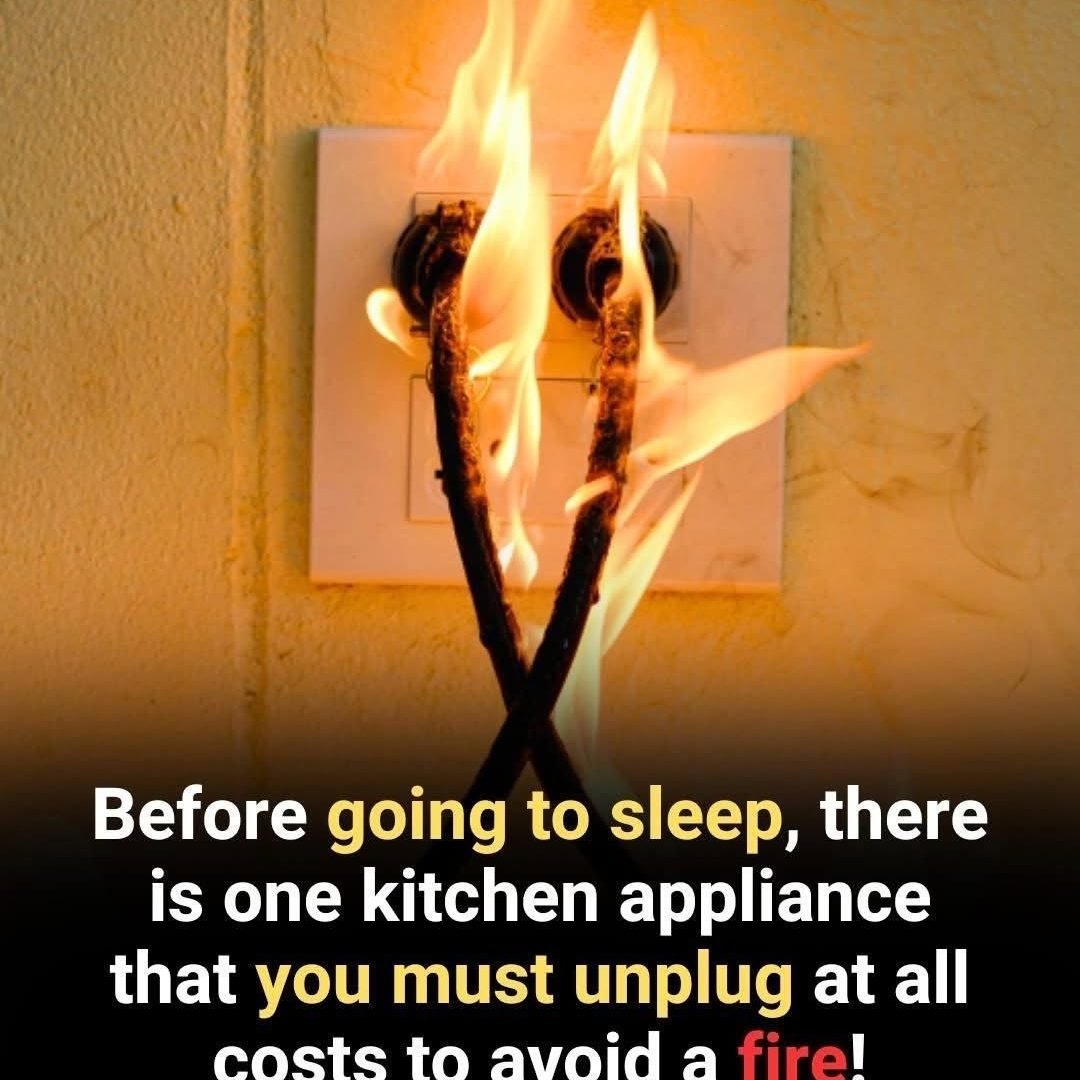
The image provided is a stark and terrifying reminder of the hidden dangers lurking in our homes. It shows a standard kitchen wall outlet engulfed in flames, with thick black smoke billowing up the wall and the plug of a kitchen appliance melting under the intense heat. The warning across the image is clear: “Before going to sleep, there is one kitchen appliance that you must unplug at all costs to avoid a fire!”
Electrical fires are among the most devastating and rapidly spreading types of household fires. According to the National Fire Protection Association (NFPA), electrical distribution and lighting equipment cause a significant percentage of home fires, resulting in hundreds of deaths and millions of dollars in property damage each year. The kitchen, with its high concentration of heat-generating, high-wattage appliances, is a primary hotspot for these incidents.
While the image implies there is a singular, most dangerous appliance, the truth is that several everyday kitchen items carry risks if left plugged in overnight. Adopting the habit of unplugging these devices before bed is a simple, gentle practice that offers profound benefits: it protects your family from fire hazards, reduces phantom energy consumption, and provides invaluable peace of mind.
Here are five common kitchen appliances you should make a habit of unplugging before you go to sleep.
1. The Toaster and Toaster Oven
The humble toaster is often overlooked as a fire hazard, but it is one of the most common culprits in kitchen fires.
The Crumb Tray Danger
Toasters have a crumb tray at the bottom that collects dried bits of bread, bagels, and pastries. Over time, this dry, highly flammable debris accumulates. If the toaster is accidentally switched on—or if a faulty internal mechanism causes it to heat up without being turned on—the dry crumbs can ignite instantly.
Exposed Heating Elements
Toaster ovens pose an even greater risk because their heating elements are often exposed. If a piece of food, plastic packaging, or a stray paper towel falls onto a hot element, it can catch fire. If this happens while you are asleep, the fire has time to spread to the surrounding cabinets and walls before the smoke alarm wakes you.
The Solution: Make it a nightly ritual to unplug the toaster. Even if the lever is not pushed down, a faulty switch or a damaged cord can create a short circuit. Unplugging the device removes the power source entirely.
2. The Air Fryer
The air fryer has become a staple in modern kitchens, prized for its ability to create crispy food with less oil. However, it draws a massive amount of electrical current to heat up rapidly.
High Wattage and Heat Generation
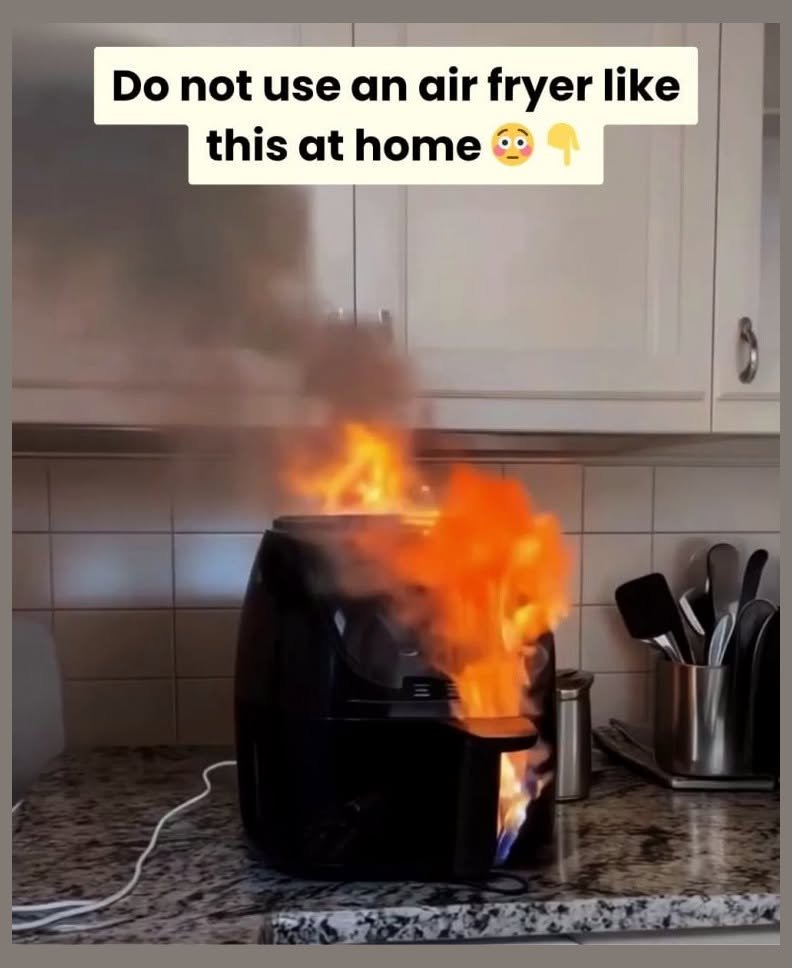
Air fryers typically require between 1,500 and 2,000 watts of power. This high current draw puts immense strain on the outlet and the appliance’s power cord. If the cord is damaged, or if the outlet is loose, the resistance can generate intense heat, potentially melting the plug and igniting the wall, just as seen in the image.
Grease and Malfunction
If the air fryer is not cleaned properly, grease can accumulate near the heating element. While the appliance is running, this grease can smoke and ignite. Furthermore, if the internal cooling fan fails while the device is still drawing power, the internal components can overheat and melt.
The Solution: Always unplug your air fryer after use. Ensure it is completely cooled down before unplugging, and never leave it plugged in overnight or while you are away from home.
3. The Coffee Maker
Coffee makers are often left plugged in so they are ready for the morning brew, but this is a dangerous habit.
The Hot Plate
Many traditional drip coffee makers have a built-in hot plate that keeps the carafe warm. If the coffee maker is left on, or if the automatic shut-off feature fails, the hot plate will continue to heat. Once the water has evaporated, the glass carafe can crack or shatter, exposing the hot plate to the air. The high heat can melt the plastic components of the machine and eventually ignite them.
Water and Electricity
Coffee makers use water and electricity in close proximity. A leak, a spill, or a faulty seal can cause water to drip into the internal electrical components, leading to a short circuit and a potential fire.
The Solution: Unplug the coffee maker as soon as the brewing cycle is complete or after you have poured your last cup. If you use the timer feature for the morning, ensure the machine is unplugged during the day or evening when not in use.
4. The Electric Kettle
An electric kettle is designed to boil water rapidly, meaning it uses a highly concentrated heating element.
The “Dry Boil” Hazard
If you switch on the kettle without water, the heating element will continue to heat up. While most modern kettles have a thermal cut-off switch, this safety mechanism can fail, especially in older or cheaper models. A dry-boiling kettle can melt its plastic components, emitting toxic smoke and eventually igniting.
The Base Connection
Kettles sit on a separate power base. The electrical contacts between the kettle and the base can become wet or corroded over time, leading to a short circuit if the device is left plugged in.
The Solution: Unplug the kettle from the wall after you have poured your hot water. Do not leave it sitting on the powered base overnight.
5. The Microwave
While microwaves are generally safe if in good condition, older models or those with damaged cords pose a risk.
High-Voltage Components
Microwaves use high-voltage transformers to generate the energy needed to heat food. If the internal components are failing, or if the door interlock switches are damaged, leaving the microwave plugged in can lead to a sudden electrical short.
The Solution: Unplug the microwave if you are going on vacation or if you notice any unusual behavior, such as sparking inside, a burning smell, or a damaged cord.
The Bonus Benefit: Saving on “Vampire Energy”
Beyond the crucial safety aspects, unplugging appliances offers a significant financial benefit. This is known as reducing standby power or vampire energy.
Even when an appliance is turned off, if it is plugged in, it continues to draw a small amount of electricity to power digital clocks, memory chips, or remote-control sensors. While one device may only draw a few watts, collectively, these devices can add up to 5% to 10% of your monthly electricity bill. Unplugging them eliminates this phantom draw completely.
How to Unplug Safely
To practice the gentle art of unplugging safely, follow these simple tips:
Pull the Plug, Not the Cord: Always grasp the plug firmly at the base and pull it straight out of the outlet. Yanking the cord can damage the internal wiring, creating a fire hazard over time.
Check for Damage: Before plugging anything back in, inspect the cord for fraying or cracking, and ensure the prongs are not bent.
Use Power Strips: For a more convenient routine, plug all your small kitchen appliances into a single, high-quality power strip with a surge protector. Before bed, simply flip the switch on the power strip to cut power to everything at once.
Keep Outlets Clear: Ensure that the areas around your outlets are free of clutter, dish towels, or anything else that could catch fire if a spark occurs.
Conclusion
The image of a burning outlet is a powerful reminder that our modern conveniences require respect. Unplugging your toaster, air fryer, coffee maker, kettle, and microwave before going to sleep is a simple, two-minute routine. It eliminates the risk of electrical fires, saves you money on your energy bill, and allows you to rest easy knowing your home and family are protected. Make it a nightly habit—your future self will thank you.