Traditional Hungarian Palacsinta Recipe (Sweet Filled Crepes) 🥞🇭🇺
Introduction
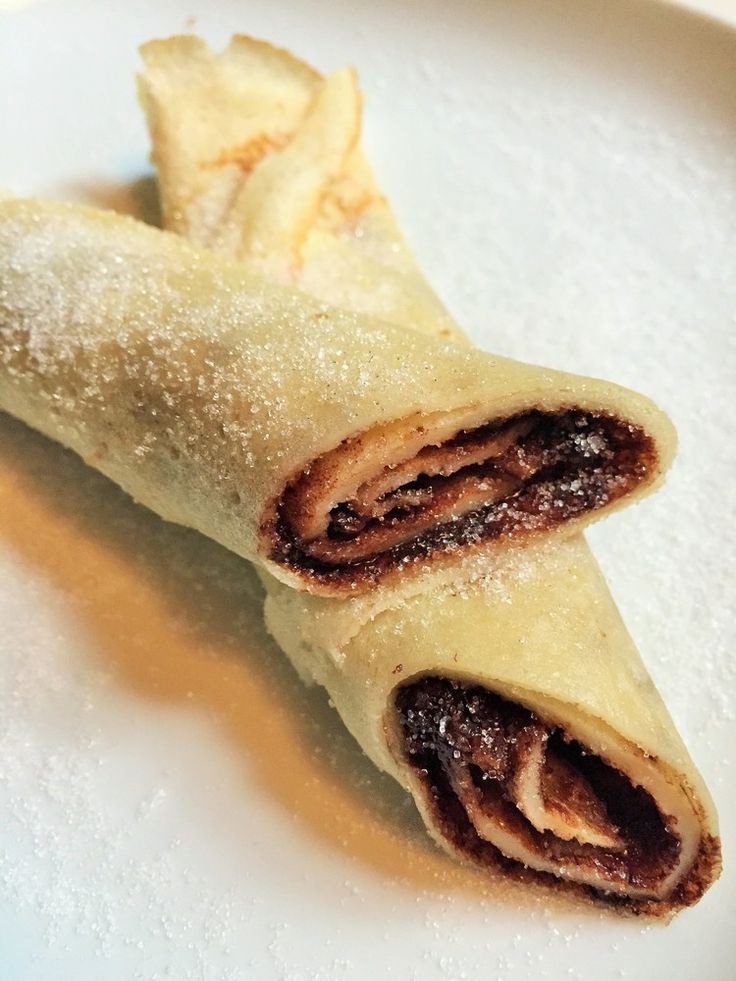
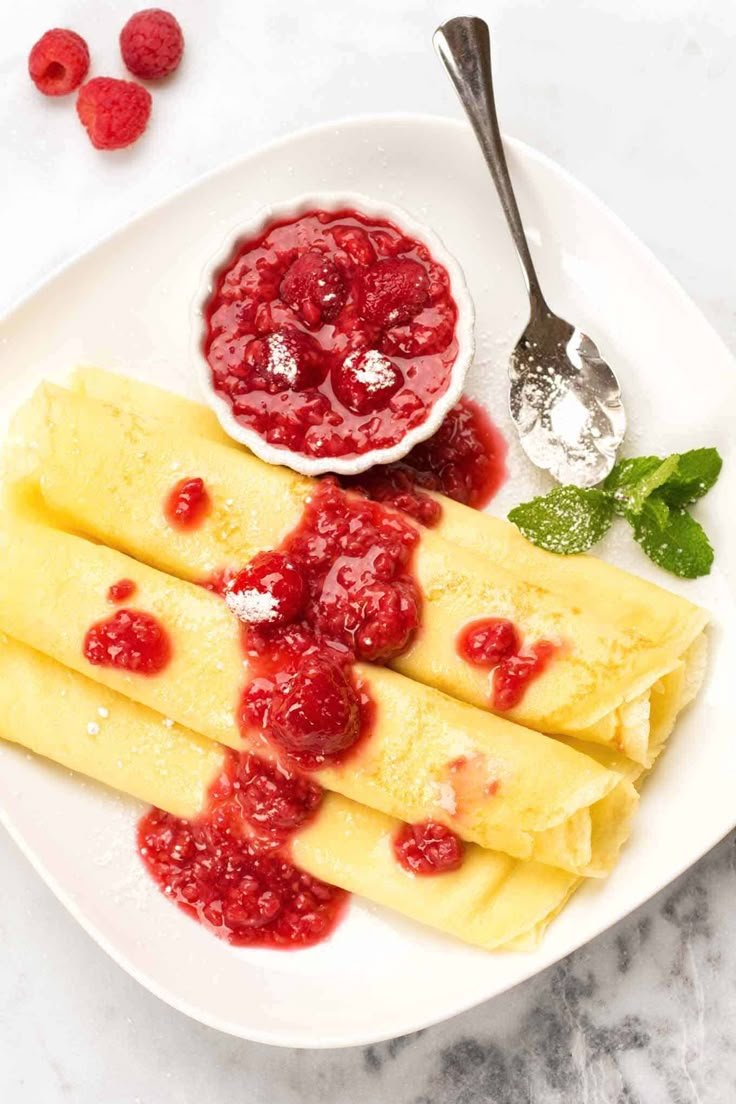
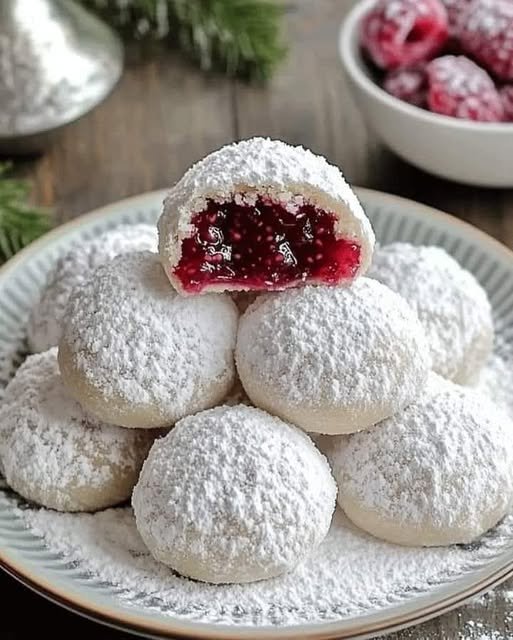
If there is one dish that universally evokes the warmth and hospitality of a Hungarian kitchen, it is Palacsinta. Known in English simply as Hungarian crepes or pancakes, this beloved dish is a cornerstone of Central European cuisine. The photograph provided captures the quintessential beauty of this treat: delicate, paper-thin crepes rolled into neat cylinders, generously filled with vibrant fruit preserves, and finished with a snowy dusting of powdered sugar.
While the social media caption that inspired this article playfully promises a recipe that takes “5 minutes” and “melts in your mouth at the first bite,” the truth is a bit more nuanced. The actual cooking of a Palacsinta takes mere minutes in a hot pan, and they certainly do melt in your mouth, but achieving that perfect, lacy, tender texture requires a little patience—specifically, allowing the batter to rest.
Palacsinta is not just a dessert; it is a cultural institution in Hungary. It can be served as a comforting breakfast, a light lunch, an elegant dessert, or a savory main course. The beauty of the dish lies in its versatility. The batter itself is barely sweetened, acting as a blank canvas for a myriad of fillings, from the classic apricot jam (lekvár) shown in the image, to rich sweetened walnuts, creamy cottage cheese, or even savory meat fillings.
This comprehensive guide will walk you through every step of creating authentic, melt-in-your-mouth Hungarian Palacsinta at home. We will cover the secrets to a perfect, lump-free batter, the crucial technique of swirling the pan, and how to fold and fill them just like they do in a traditional Hungarian cukrászda (patisserie). Whether you are a seasoned home cook or a beginner, this recipe will become a cherished staple in your culinary repertoire. 🥞✨
Recipe Overview
Preparation Time: 15 minutes 🕒
Resting Time: 30–60 minutes ❄️
Cooking Time: 20–30 minutes (depending on pan size and batches) 🔥
Total Time: Approximately 1 hour 15 minutes ⏳
Servings: Makes about 12–15 palacsinta 🍽️
Difficulty Level: Beginner to Intermediate 🥣
Cooking Method: Pan-frying 🍳
Cuisine: Hungarian 🇭🇺
Course: Dessert, Breakfast, Snack 🍓
Estimated Calories per Serving: Approximately 120–150 kcal per plain crepe (excluding fillings and toppings) 📊
What Is This Hungarian Dish?
Palacsinta is the Hungarian word for pancake, and it refers specifically to thin, crepe-like pancakes. The word itself is derived from the Latin placenta, which historically referred to a flat cake. Unlike the thick, fluffy American pancakes that rely on baking powder or baking soda for a high rise, Palacsinta relies on a very liquid batter that is spread thinly across a hot pan.
In Hungary, Palacsinta is an institution. There are entire restaurants—palacsintázó—dedicated solely to serving dozens of variations of this dish. They can be eaten sweet or savory, folded into triangles, rolled into cylinders, or stacked like a cake.
The version most commonly associated with the name is the sweet variety, filled with jams (lekvár), sweetened cottage cheese (túró), ground walnuts, poppy seeds, or chocolate sauce. The batter is simple—flour, eggs, milk, and a pinch of sugar—but the addition of a little carbonated water or soda water is a traditional Hungarian secret that gives the crepes a wonderfully light and slightly crispy edge.
The cooking technique is also unique; the batter is ladled into a hot, lightly oiled pan and immediately swirled to create a thin, even layer. The result is a crepe that is tender and soft on the inside, with a beautiful lacy, golden-brown pattern on the exterior. When rolled and dusted with powdered sugar, they become a simple yet profoundly satisfying dessert that is beloved by all generations. 🍓🥞
Ingredients You Will Need
To make the perfect Hungarian Palacsinta batter, you need a few basic pantry staples. The key to a great batter is achieving the right consistency—similar to heavy cream.
2 tablespoons vegetable oil or melted butter, plus more for greasing the pan 🧈
100 ml (⅓ cup + 1 tbsp) soda water or sparkling water (optional, but highly recommended for a lighter, crispier texture) 💧
1 teaspoon vanilla extract (optional) 🍦
For the Classic Sweet Fillings (Choose One or More)
Apricot, Plum, or Sour Cherry Jam: About 1 cup (240 g) of high-quality, thick jam. 🍓
Sweet Walnut Filling: 1 cup (100 g) ground walnuts mixed with ⅓ cup (70 g) sugar, ½ cup (120 ml) milk, and a drop of vanilla. 🌰
Sweet Cottage Cheese (Túró): 1 cup (250 g) Hungarian-style cottage cheese or farmer’s cheese, mixed with 3 tablespoons powdered sugar and lemon zest. 🧀
Poppy Seed Filling: 1 cup (120 g) ground poppy seeds mixed with ⅓ cup (70 g) sugar and ½ cup (120 ml) milk. 🌑
Chocolate Sauce: Melted dark chocolate or a thick chocolate pudding. 🍫
For the Coating
Generous amount of powdered sugar, for dusting ❄️
Choosing the Best Ingredients
While the ingredient list is short, paying attention to quality will make a noticeable difference in your final dish.
The Flour: Standard all-purpose flour is all you need. Sifting the flour before mixing will help prevent lumps in your batter, which is crucial for a smooth crepe.
The Milk: Whole milk is best for a rich flavor and creamy texture. You can use 2% milk, but avoid skim milk, as the batter may lack richness. If you are lactose intolerant, lactose-free whole milk or a high-quality oat milk works well.
The Eggs: Use large, fresh eggs. They provide structure and richness. Make sure they are at room temperature before mixing, as cold eggs can cause the melted butter or oil to clump.
The Secret Ingredient: Soda water (or sparkling water) is a traditional Hungarian trick. The carbonation bubbles expand when they hit the hot pan, creating tiny air pockets that make the Palacsinta lighter and slightly crispier on the edges. If you don’t have it, you can substitute plain water or a little more milk, but the texture will be slightly denser.
The Fillings: Use high-quality, thick jam. Runny jam will make the crepes soggy. If using walnuts or poppy seeds, ensure they are fresh and not rancid. For the cottage cheese, look for a dry-curd farmer’s cheese if you cannot find authentic Hungarian túró. 🍓
Kitchen Equipment
A large mixing bowl 🥣
A whisk or an electric mixer 🥄
A ladle or a small measuring cup 🥛
A non-stick skillet or a traditional Hungarian palacsinta pan (about 8–9 inches / 20–23 cm in diameter) 🍳
A spatula (thin, flexible spatulas work best) or a traditional wooden crepe spreader (optional)
A plate for stacking the cooked palacsinta 🍽️
A pastry brush (for greasing the pan) 🖌️
A fine-mesh sieve (for dusting the powdered sugar) ✨
Step-by-Step Cooking Instructions
Step 1: Make the Batter
In a large mixing bowl, whisk together the flour, sugar, and salt. In a separate bowl or measuring jug, whisk the eggs, milk, oil (or melted butter), and vanilla extract until well combined. Gradually pour the wet ingredients into the dry ingredients while whisking continuously to prevent lumps. Finally, gently stir in the soda water. The batter should be very thin, with a consistency similar to heavy cream. If it seems too thick, add a splash more milk.
Step 2: Rest the Batter
Cover the bowl with a clean kitchen towel or plastic wrap and let the batter rest at room temperature for 30 to 60 minutes. This resting period is crucial. It allows the flour to fully hydrate, which softens the gluten and results in a more tender crepe. It also allows air bubbles to escape, preventing the crepes from tearing during cooking.
Step 3: Heat the Pan
Place your non-stick skillet or crepe pan over medium heat. Allow it to heat up thoroughly. To test if the pan is ready, sprinkle a few drops of water on it; they should sizzle and evaporate quickly. Brush the pan very lightly with vegetable oil. You only need a tiny amount; too much oil will make the crepes greasy and cause the batter to slide around rather than set.
Step 4: Cook the Palacsinta
Lift the pan off the heat. Using a ladle, pour about ¼ cup (60 ml) of batter into the center of the pan. Immediately tilt and swirl the pan in a circular motion so the batter coats the entire bottom in a thin, even layer. Return the pan to the heat.
Step 5: Flip and Cook
Cook for about 1 to 1.5 minutes, or until the edges of the crepe begin to lift away from the pan and the bottom is a light golden brown with lacy patterns. Using a thin spatula, carefully flip the crepe over. Cook for another 30 to 45 seconds on the second side. It should have a few golden spots but remain mostly pale.
Step 6: Stack and Repeat
Slide the cooked palacsinta onto a plate. Continue the process with the remaining batter, lightly greasing the pan every few crepes if needed. Stack the cooked crepes on top of each other; the steam trapped between them keeps them soft and pliable.
Step 7: Fill and Roll
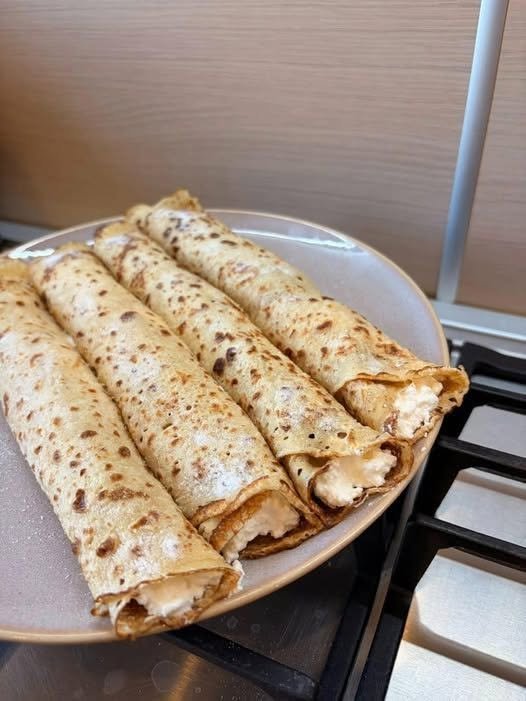
Once all the crepes are cooked and slightly cooled, it is time to fill them. Place one crepe on a flat surface. Spread a thin layer of your chosen filling (about 1 to 2 tablespoons) over the surface, leaving a small border around the edges. Fold the crepe in half, and then fold it in half again to form a triangle, or roll it up into a cylinder as shown in the photograph.
Step 8: Serve
Arrange the filled palacsinta on a serving platter. Generously dust them with powdered sugar using a fine-mesh sieve. Serve immediately. 🥞❄️
Important Cooking Tips
Consistency is Key: The batter should be thin, like heavy cream. If it’s too thick, the crepes will be rubbery; if it’s too thin, they will tear easily.
The First Crepe is a Test: The first palacsinta rarely turns out perfectly. It is a test to check the pan temperature and batter consistency. Adjust your heat or add a splash of milk to the batter if needed.
Swirl Quickly: You must swirl the batter around the pan immediately after pouring it. If you wait, the batter will set in the center and you won’t be able to spread it to the edges.
Don’t Over-Grease: Too much oil will cause the batter to slide around and create holes. A light brushing of oil every 3-4 crepes is usually sufficient for a non-stick pan.
Keep Them Covered: As you cook, keep the stack of finished palacsinta covered with a clean towel or an inverted plate. This traps the steam and keeps them from drying out and becoming brittle. 💡
Common Mistakes to Avoid
Skipping the Rest: Using the batter immediately after mixing will result in tough, rubbery crepes. The gluten needs time to relax.
Lumpy Batter: If you don’t whisk well, you will end up with lumps of dry flour in your crepes. Whisk vigorously or use a blender to ensure a smooth batter.
Pan Too Hot or Too Cold: If the pan is too hot, the batter will set before you can swirl it, resulting in thick, uneven crepes. If it’s too cold, the crepes will be pale, dry, and prone to sticking. Medium heat is usually perfect.
Overfilling: Putting too much filling inside a delicate palacsinta will cause it to tear when you try to roll or fold it. Use a moderate amount.
Soggy Crepes: If your jam is too runny or if you assemble the palacsinta too far in advance, the moisture from the filling will seep into the crepe, making it soggy. 🚫
Variations and Substitutions
Hungarian Palacsinta is incredibly versatile. Here are some traditional and modern variations.
Gundel Palacsinta: This is the most famous Hungarian dessert variation. The crepes are filled with a rich, sweet walnut mixture, folded, and topped with a warm dark chocolate sauce. Traditionally, the sauce is flambéed with rum before serving. 🍫
Hortobágyi Palacsinta: A famous savory variation. The crepes are filled with a minced veal or chicken paprikash mixture, rolled up, baked briefly, and served with a generous drizzle of the paprika sour cream sauce.
Túrós Palacsinta: Filled with sweetened cottage cheese (túró), often flavored with lemon zest and raisins. 🧀
Mákos Palacsinta: Filled with a sweet, thick poppy seed paste. 🌑
Lekváros Palacsinta: Filled with thick fruit jam, such as apricot, plum, or sour cherry, as seen in the image. 🍓
Chocolate Palacsinta: Filled with a simple homemade chocolate pudding or Nutella, and sprinkled with powdered sugar.
What to Serve With This Dish
Palacsinta is a versatile dish that can be served at almost any time of day.
For Breakfast or Brunch: Serve alongside a strong cup of Hungarian coffee, a cappuccino, or a glass of cold milk. ☕
As a Dessert: Pair with a small glass of sweet Tokaji Aszú wine or a shot of espresso.
Holiday Platters: Arrange them alongside other Hungarian sweets like Hókifli and Beigli for a festive dessert spread.
Fresh Fruit: A side of fresh berries or a fruit salad provides a nice tart contrast to the sweet crepes. 🍓
How to Store and Reheat Leftovers
Storing Cooked Crepes: If you have leftover plain crepes, stack them, wrap them tightly in plastic wrap, and store them in the refrigerator for up to 3 days. You can also freeze them by placing parchment paper between each crepe, wrapping them tightly, and freezing for up to 2 months.
Storing Filled Crepes: Filled palacsinta can be stored in the refrigerator for 1-2 days. However, they are best fresh, as the filling can make the crepe soggy over time.
Reheating: The best way to reheat filled palacsinta is in a lightly oiled skillet over medium heat until warmed through, or in the microwave for 20-30 seconds. You can also place them in a baking dish, cover with foil, and heat in a 350°F (175°C) oven for 10 minutes. 🗄️
Make-Ahead and Meal-Preparation Tips
Make the Batter Ahead: The batter can be made up to 24 hours in advance and stored in the refrigerator. Just give it a good stir and let it come to room temperature before cooking.
Cook the Crepes Ahead: You can cook the crepes a day ahead, store them in the refrigerator, and fill them just before serving.
Prepare the Fillings Ahead: Walnut and poppy seed fillings can be made a day or two in advance and stored in the fridge. 📅
Troubleshooting Guide
Q: Why are my palacsinta tearing when I flip them? 😰 A: This usually means the batter is too thick, or the pan is not hot enough. It can also happen if you try to flip them too early. Wait until the edges lift easily from the pan.
Q: Why is my first pancake always a mess? 🍳 A: This is a universal cooking phenomenon! The first pancake tests the pan’s heat and the batter’s consistency. It’s normal for it to be imperfect. Adjust your heat and continue.
Q: My crepes are sticking to the pan. What should I do? 🥴 A: Ensure your pan is properly heated before adding the batter. If it is a new non-stick pan, it might need a quick wash and a light seasoning. Also, make sure you are brushing it with a little oil between batches.
Q: Can I make Palacsinta without eggs? 🥚 A: Eggs provide structure and richness. If you need an egg-free version, you can try using a commercial egg replacer, but the texture will be slightly different.
Q: How do I prevent the crepes from drying out? 🌬️ A: Keep them covered with a clean kitchen towel or an inverted plate while they are cooling. The trapped steam keeps them soft.
Nutritional Information
Please note: Nutritional values are estimates and will vary based on the specific ingredients used, the size of the crepes, and the amount of filling and powdered sugar.
Calories: 120–150 kcal per plain crepe
Protein: 4 g
Carbohydrates: 15 g
Fat: 5 g
Saturated Fat: 1 g
Fiber: 0.5 g
Sugar: 2 g
Sodium: 50 mg
Frequently Asked Questions (FAQ)
1. What is the difference between Hungarian Palacsinta and French Crepes? 🇭🇺🇫🇷 They are very similar. Both are thin pancakes made from a liquid batter. Hungarian palacsinta often includes soda water in the batter for a slightly lighter texture and is typically rolled and filled with sweet jams, walnuts, or cottage cheese, whereas French crepes are often folded into quarters.
2. What is the traditional filling for Palacsinta? 🍓 The most traditional sweet fillings are apricot or plum jam, sweetened cottage cheese (túró), ground walnuts, and poppy seeds. Chocolate sauce is also very popular.
3. Can I use a regular frying pan? 🍳 Yes, a standard non-stick frying pan works perfectly. A pan about 8 to 9 inches (20-23 cm) in diameter is ideal for making evenly sized crepes.
4. Why do Hungarians put soda water in the batter? 💧 The carbonation in soda water creates tiny bubbles that expand during cooking, making the crepes lighter and slightly crispier on the edges.
5. How long should I rest the batter? ⏳ It is best to let the batter rest for at least 30 minutes, but up to an hour is even better. This allows the flour to hydrate and the gluten to relax, resulting in tender crepes.
6. Can I freeze Palacsinta? ❄️ Yes. Plain, unfilled crepes freeze beautifully. Stack them with parchment paper between each one, wrap tightly in plastic wrap, and place in a freezer bag. Thaw in the refrigerator overnight.
7. What is Gundel Palacsinta? 🍫 It is a famous Hungarian dessert named after the Gundel restaurant in Budapest. It consists of a crepe filled with a sweet walnut mixture, topped with a dark chocolate sauce, and often flambéed with rum.
8. Can I make Palacsinta gluten-free? 🌾 Yes, you can substitute the all-purpose flour with a 1:1 gluten-free baking blend. The texture will be slightly different, but it will still be delicious.
9. How do I get the perfect circular shape? 🎯 Pour the batter into a hot pan and immediately swirl it quickly in a circular motion to coat the bottom. A traditional wooden crepe spreader (a T-shaped tool) can also help.
10. Can I serve Palacsinta as a main course? 🍽️ Yes! The savory version, Hortobágyi Palacsinta, is a famous main course where the crepes are filled with chicken or veal paprikash and baked with a sour cream sauce.
Final Recipe Summary
Hungarian Palacsinta is more than just a pancake; it is a versatile, elegant, and deeply comforting dish that holds a special place in Hungarian culinary culture. Whether you choose to fill them with sweet jam, rich walnuts, or savory meats, the process of making these thin, delicate crepes is a rewarding experience. With this detailed recipe, you can bring a taste of Hungary into your own kitchen. Once you master the simple technique of swirling the batter in a hot pan, you will find yourself making these delightful treats for breakfast, dessert, or any occasion that calls for a touch of homemade goodness. Dust them with powdered sugar, roll them up, and enjoy a truly timeless recipe. 🥞🇭🇺
Printable Recipe Card
Traditional Hungarian Palacsinta (Sweet Crepes)
Delicate, thin Hungarian pancakes filled with sweet jam or walnut paste and generously dusted with powdered sugar.
Prep Time: 15 minutes 🕒
Cook Time: 20–30 minutes 🔥
Rest Time: 30–60 minutes ❄️
Total Time: 1 hour 15 minutes ⏳
Servings: 12–15 crepes 🍽️
Ingredients:
For the Batter:
250 g (2 cups) all-purpose flour 🌾
3 large eggs 🥚
500 ml (2 cups) whole milk 🥛
1 tbsp granulated sugar 🍬
1 pinch of salt 🧂
2 tbsp vegetable oil (plus more for pan) 🧈
100 ml (⅓ cup + 1 tbsp) soda water (optional) 💧
1 tsp vanilla extract 🍦
For Filling (Options):
1 cup thick apricot or plum jam 🍓
1 cup sweetened ground walnuts 🌰
1 cup sweetened cottage cheese (túró) 🧀
For Topping:
Powdered sugar, for dusting ❄️
Instructions:
Make Batter: Whisk flour, sugar, and salt in a bowl. In another bowl, whisk eggs, milk, oil, and vanilla. Gradually whisk the wet ingredients into the dry until smooth. Stir in soda water. The batter should be thin, like heavy cream.
Rest: Cover and let the batter rest at room temperature for 30–60 minutes.
Cook: Heat an 8-9 inch non-stick pan over medium heat. Brush lightly with oil. Pour ¼ cup of batter into the center and immediately swirl to coat the bottom.
Flip: Cook for 1–1.5 minutes until edges lift and bottom is golden. Flip and cook for 30 seconds more. Stack cooked crepes on a plate and cover to keep warm.
Fill: Spread a thin layer of filling over each crepe, fold in half, and then fold in half again to form a triangle, or roll into a cylinder.
Serve: Dust generously with powdered sugar and serve immediately.
Storage: Store plain crepes wrapped in the fridge for up to 3 days, or freeze with parchment paper between them for up to 2 months. Reheat in a skillet or microwave.
Food Safety: For guidance on safe handling and storage of eggs and dairy in baking, refer to the USDA Food Safety and Inspection Service (FSIS). 🥚🥛
Cultural Context: For historical information about the origins of Palacsinta and its variations in Hungarian cuisine, refer to culinary history resources or reputable culinary encyclopedias like TasteAtlas. 📚