Traditional Dobos Torte Recipe (Dobostorta): The Ultimate Hungarian Layered Cake
Introduction
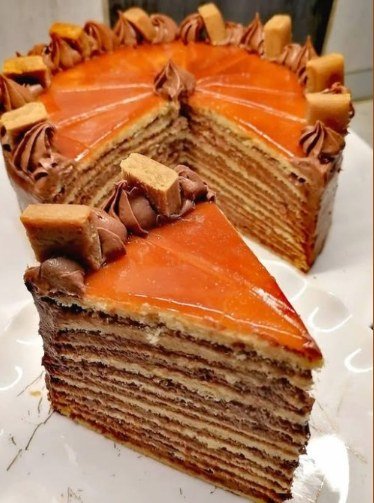
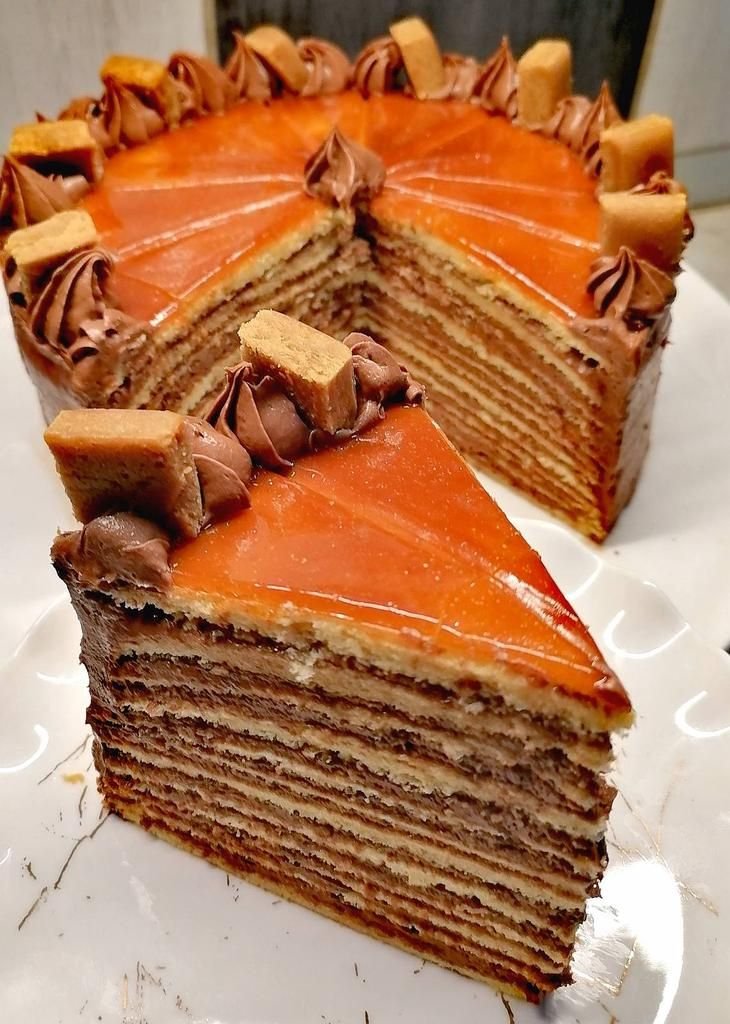
The Dobos Torte recipe is more than just a list of ingredients; it is a gateway to one of Central Europe’s most celebrated culinary masterpieces. Known in its homeland as Dobostorta, this iconic Hungarian dessert is a study in elegance and precision. It is composed of multiple whisper-thin layers of delicate sponge cake, each separated by a rich, velvety chocolate buttercream, and crowned with a signature glossy, brittle caramel glaze. The sides are often finished with a coating of toasted nuts, adding a textural contrast that perfectly balances the tender cake and smooth cream.
For the home baker, tackling a Dobos Torte is a rewarding project. It requires patience, a steady hand, and a bit of practice, but the result is a show-stopping cake that looks as impressive as it tastes. The magic lies in the interplay of textures: the slight resistance of the caramel top giving way to the soft, creamy layers beneath. This is a cake designed for celebrations, a centerpiece that commands attention on any table.
While many modern cakes rely on thick frostings and elaborate decorations, the Dobos Torte makes its statement through its clean lines and architectural simplicity. Its creation was a stroke of genius by a 19th-century pastry chef, and its enduring popularity is a testament to its flawless design. This guide will walk you through every stage of the process, from baking the individual sponge layers to crafting the perfect chocolate buttercream and executing the dramatic caramel finish. With detailed instructions and expert tips, you can bring a taste of Hungarian tradition into your own kitchen.
Recipe Overview
Preparation Time: 1 hour (plus cooling time)
Cooking Time: 20–30 minutes (baking in batches)
Total Time: Approximately 4–5 hours (including assembly and chilling)
Number of Servings: 12–16 slices
Difficulty Level: Advanced / Intermediate
Cooking Method: Baking, stovetop cooking (for buttercream and caramel)
Cuisine: Hungarian
Course: Dessert
Estimated Calories per Serving: Approximately 450–550 kcal (estimate based on 16 servings; actual values will vary).
What is a Dobos Torte?
The Dobos Torte is a classic Hungarian sponge cake that is defined by its unique construction and contrasting textures. At its core, it is a layered cake, but it distinguishes itself from other European tortes through its specific components: a series of very thin, firm sponge layers, a luxurious chocolate buttercream filling, and a hard, caramel-glazed top layer that is cut into wedges before it sets.
The cake was invented by József C. Dobos, a renowned Hungarian chef and delicatessen owner in Budapest, in the late 19th century. He introduced it at the National General Exhibition of Budapest in 1885, where it was tasted by Emperor Franz Joseph I and Empress Elisabeth. Dobos’s goal was to create a cake that would last longer than other pastries in an era when refrigeration was limited. He achieved this by using a buttercream filling (which he had discovered in France) instead of perishable pastry cream, and by sealing the top with a hard caramel glaze, which helped prevent the cake from drying out.
The traditional recipe calls for five to seven sponge layers, with the final layer receiving the caramel treatment. The sides are often coated with ground or sliced nuts—such as hazelnuts, walnuts, chestnuts, or almonds—which not only adds flavor but also helps to seal the cake. The result is a cake with a flat, shiny top that is simple yet incredibly elegant, a stark contrast to the heavily decorated cakes that were popular at the time. Its use of fine chocolate buttercream was also revolutionary, as most cakes of the era were filled with cooked pastry cream or whipped cream.
Hungarian Culinary Background
The Dobos Torte holds a place of prestige in Hungarian cuisine. It is not a humble, everyday cake but a torta—a term reserved for special occasion cakes, often featuring multiple layers and elaborate fillings. Its creation marked a significant moment in Hungarian gastronomy, showcasing the sophistication of Budapest’s café culture in the late 19th century.
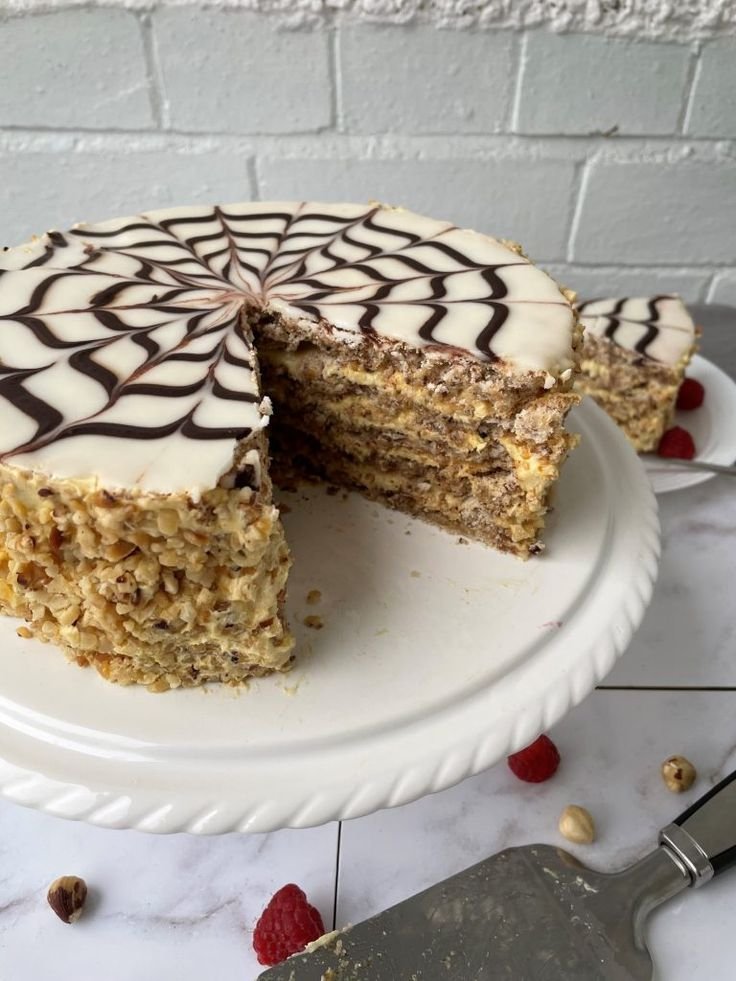
While Hungary is most famous for its savory dishes like goulash and chicken paprikash, its contribution to the world of pastry is equally significant. The Dobos Torte sits alongside other beloved Hungarian desserts such as the Rigó Jancsi (a chocolate sponge and cream cube) and the Esterházy Torte (a walnut and cream layered cake). What sets the Dobos Torte apart is its architectural precision. It is a cake that requires a certain level of skill to execute, and its preparation is often seen as a rite of passage for serious home bakers. It is a fixture in Hungarian pastry shops (cukrászdas) and is a common sight at weddings, birthdays, and holiday celebrations.
The cake’s durability and unique appearance also made it a successful export. Dobos traveled across Europe to introduce his creation and even shipped it in specially designed wooden boxes. This early form of culinary globalization helped cement the Dobos Torte as a globally recognized symbol of Hungarian pastry art.
Ingredients You Will Need
For accurate results, it is best to weigh your ingredients, especially for the sponge and buttercream. The following measurements are for a classic 8-inch (20 cm) cake with 6 sponge layers.
For the Sponge Cake Layers
6 large eggs, separated, at room temperature
3/4 cup (150 g) granulated sugar
1 cup (120 g) all-purpose flour, sifted
1/2 teaspoon vanilla extract
3 tablespoons (40 g) unsalted butter, melted and cooled
A pinch of salt
For the Chocolate Buttercream
4 large egg yolks
1/2 cup (100 g) granulated sugar
1/4 cup (60 ml) water
8 oz (225 g) high-quality dark chocolate (60–70% cocoa), melted and cooled
1 cup (225 g) unsalted butter, softened at room temperature
1 teaspoon vanilla extract
For the Caramel Top
3/4 cup (150 g) granulated sugar
2 tablespoons water
1 teaspoon lemon juice (to prevent crystallization)
For Decoration
1 cup sliced almonds, toasted
Reserved chocolate buttercream (for piping a rosette)
Ingredient Notes:
Eggs: Using room-temperature eggs is crucial for achieving maximum volume when whipping the egg whites.
Chocolate: Choose a high-quality dark chocolate bar and chop it yourself. Chocolate chips often contain stabilizers that can affect the texture of the buttercream.
Butter: The butter for the buttercream must be truly soft. If it is too cold, the buttercream will curdle.
Lemon Juice: The acid in the lemon juice helps prevent the sugar from crystallizing as it cooks, which is essential for a smooth caramel.
Choosing the Best Ingredients
The success of a Dobos Torte hinges on the quality of its few ingredients. Because the flavor profile is simple, there is nowhere to hide inferior products.
For the Sponge: The flour should be fresh. While all-purpose flour works well, some traditional recipes use a slightly weaker flour or a blend with a little cornstarch to ensure a tender crumb. The eggs are the primary structure builders. Fresh, large eggs will provide the best volume and flavor.
For the Buttercream: This is where you should invest in the best chocolate you can find. A chocolate with 60–70% cocoa content offers a deep, rich flavor without being overly bitter. Avoid chocolate that lists vegetable fats instead of cocoa butter. The butter should be unsalted and of high quality, as its flavor will be prominent. European-style butter with a higher fat content is an excellent choice.
For the Caramel: Simple granulated sugar is all you need. The key is to cook it carefully to a deep amber color without burning it. A little lemon juice or a drop of vinegar can help prevent crystallization, ensuring a clear, glassy glaze.
For the Nuts: Toasted sliced almonds or ground hazelnuts are the most common coatings for the sides. Toasting them briefly in a dry skillet or oven enhances their nutty flavor and provides a beautiful contrast to the rich chocolate and sweet caramel.
Kitchen Equipment
Stand Mixer or Hand Mixer: Essential for whipping egg whites and making the buttercream.
Baking Sheets: You will need at least two, but having more allows you to bake more layers at once.
Parchment Paper: Trace 8-inch (20 cm) circles on the paper to use as a guide for spreading the batter.
Saucepan: A heavy-bottomed saucepan is crucial for making the caramel and the sugar syrup for the buttercream.
Candy Thermometer: Highly recommended for ensuring the sugar syrup reaches the correct temperature (about 235°F / 112°C) and for making the caramel.
Offset Spatula: Ideal for spreading the thin sponge batter and for frosting the cake.
Wire Cooling Racks: Necessary for cooling the sponge layers completely.
Sharp Knife or Pizza Cutter: For cutting the caramel-topped layer into wedges while it is still warm.
Step-by-Step Cooking Instructions
Step 1: Prepare the Sponge Cake Layers
Preheat your oven to 350°F (175°C). Draw six 8-inch (20 cm) circles on a sheet of parchment paper. Place the paper, pencil-side down, on your baking sheets.
In the bowl of a stand mixer, beat the egg whites with a pinch of salt on medium speed until soft peaks form. Gradually add half of the sugar and continue beating until stiff, glossy peaks form.
In a separate large bowl, whisk the egg yolks with the remaining sugar until they are pale and thick. Add the vanilla extract.
Gently fold the egg white meringue into the yolk mixture in three additions, using a spatula. Be careful not to deflate the batter.
Sift the flour over the batter and gently fold it in until just combined. Finally, fold in the melted, cooled butter.
Divide the batter evenly among the prepared circles (you may need to bake in batches). Use an offset spatula to spread the batter into a thin, even layer.
Bake for 8–10 minutes, or until the edges are very lightly golden and the center springs back when touched. Do not overbake, or the layers will be dry.
Immediately transfer the baked layers (still on the parchment) to a wire rack to cool completely. Once cool, carefully peel off the parchment.
Step 2: Make the Chocolate Buttercream
In a small saucepan, combine the sugar and water for the buttercream. Bring to a boil over medium heat, stirring just until the sugar dissolves. Cook without stirring until the syrup reaches the soft-ball stage (about 235°F / 112°C on a candy thermometer).
While the syrup is cooking, place the egg yolks in the bowl of a stand mixer fitted with the whisk attachment. Beat on medium-high speed until pale and thickened.
With the mixer running on low, slowly and carefully pour the hot syrup into the beaten egg yolks in a steady stream. Try to avoid pouring the syrup onto the whisk.
Once all the syrup is incorporated, increase the speed to high and beat until the mixture is thick, fluffy, and has cooled to room temperature. This can take 5–10 minutes.
With the mixer on medium speed, add the softened butter, one tablespoon at a time, beating well after each addition. The mixture may look curdled at some point, but keep beating; it will come together.
Add the melted, cooled chocolate and vanilla extract. Beat until the buttercream is smooth, silky, and glossy. Set aside.
Step 3: Assemble the Cake
Place one sponge layer on your serving plate or a cake stand. Spread a thin, even layer of chocolate buttercream over the top.
Place the next sponge layer on top and press down gently. Repeat with the remaining four layers, ending with a layer of sponge on top (you will have five layers of sponge and four layers of buttercream in the middle).
Reserve the sixth sponge layer for the caramel top.
Apply a thin “crumb coat” of buttercream to the top and sides of the cake. Refrigerate for 20–30 minutes to set. This will make it easier to apply the final coat.
Apply a second, thicker coat of buttercream to the sides and top, smoothing it as much as possible.
Step 4: Create the Caramel Top
Place the reserved sixth sponge layer on a piece of parchment paper.
In a heavy-bottomed saucepan, combine the sugar, water, and lemon juice for the caramel. Cook over medium heat, without stirring, until the sugar melts and turns a deep amber color. Swirl the pan gently if needed to ensure even cooking.
Immediately pour the hot caramel over the reserved sponge layer, using an offset spatula to spread it quickly and evenly to the edges.
Work quickly: Before the caramel hardens, use a sharp knife or a pizza cutter that has been lightly oiled to cut the caramel-coated sponge into 12 or 16 wedges.
Allow the caramel to cool and harden completely.
Once hardened, carefully arrange the caramel wedges on top of the cake in a fan or star pattern.
Step 5: Final Decoration and Chilling
Press the toasted sliced almonds onto the sides of the cake, covering the buttercream.
Pipe a small rosette of the remaining chocolate buttercream in the center of the cake, where the caramel wedges meet.
Refrigerate the cake for at least 2 hours, or preferably overnight. This allows the flavors to meld and the sponge layers to soften slightly, resulting in a more cohesive texture.
Important Cooking Tips
Weigh Your Batter: For perfectly even layers, weigh the total batter and divide by six. This ensures each sponge layer is the same thickness and bakes evenly.
Do Not Overbake the Sponge: The layers are very thin and bake quickly. Keep a close eye on them; they are done as soon as the edges are lightly golden.
Temperature is Key for Buttercream: Both the sugar syrup and the butter must be at the correct temperature. If the syrup is too hot, it will scramble the eggs. If the butter is too cold, the buttercream will curdle. If it curdles, place the bowl over a warm water bath and whisk until it comes back together.
Caramel Safety: Caramel is extremely hot and can cause severe burns. Use a heavy-bottomed pan, wear oven mitts, and keep children away from the kitchen when making it. Do not stir the caramel once the sugar has dissolved, as this can cause crystallization.
Cut the Caramel While Warm: The caramel top must be cut into wedges while it is still warm and pliable. If you wait until it is completely hard, it will shatter.
Common Mistakes to Avoid
Deflating the Sponge Batter: When folding the egg whites and flour into the yolk mixture, use a gentle, light hand. Overmixing will knock out the air, resulting in flat, dense layers.
Making the Buttercream with Cold Butter: The butter must be very soft. If you forget to take it out of the fridge in time, cut it into small cubes and microwave it in short bursts until it is soft but not melted.
Burning the Caramel: Caramel can go from perfect to burnt in seconds. Watch it carefully and remove it from the heat as soon as it reaches a deep amber color.
Not Chilling the Cake: The cake needs time in the refrigerator for the buttercream to firm up and the layers to settle. Do not attempt to slice it immediately after assembly.
Using the Wrong Knife for the Caramel: A dull knife will crack the caramel. Use a sharp knife or a pizza cutter that has been lightly oiled.
Variations and Substitutions
Nut-Free Sponge: For a nut-free version, simply omit the nuts on the sides. You can also coat the sides with chocolate shavings or leave them plain.
Gluten-Free: You can substitute the all-purpose flour with a good-quality gluten-free flour blend. The texture will be slightly different, but it will still be delicious.
Different Nuts: Instead of almonds, try ground hazelnuts, walnuts, or even pistachios for the sides.
Flavor Variations: Add a teaspoon of espresso powder to the buttercream to enhance the chocolate flavor. A touch of orange zest in the sponge can also be a nice variation.
Lighter Buttercream: Some modern versions use a lighter whipped cream and chocolate ganache filling, but this will significantly change the character of the cake and reduce its shelf life.
What to Serve with a Dobos Torte
A slice of Dobos Torte is a rich and decadent dessert, so it is best served simply.
A Cup of Coffee: A strong espresso or a cup of Hungarian coffee is the perfect accompaniment, as the bitterness cuts through the sweetness of the cake.
A Glass of Dessert Wine: A sweet Tokaji Aszú, Hungary’s famous dessert wine, is a classic pairing.
Fresh Berries: A small handful of fresh raspberries or strawberries can add a tart contrast to the rich chocolate and caramel.
Whipped Cream: A dollop of lightly sweetened whipped cream on the side is a simple and elegant addition.
How to Store and Reheat Leftovers
Storage: Store the Dobos Torte in the refrigerator, covered, for up to 3–4 days. The caramel top may soften slightly over time, but the cake will still be delicious.
Freezing: The cake does not freeze well due to the caramel top, which can become sticky and lose its texture. However, you can freeze the unassembled sponge layers for up to 2 months. Wrap them tightly in plastic wrap and then in foil. Thaw at room temperature before assembling.
Reheating: Do not reheat the cake. It is best served cold or at cool room temperature.
Make-Ahead and Meal-Preparation Tips
Make the Sponge Layers Ahead: The sponge layers can be baked up to 2 days in advance. Store them in an airtight container at room temperature, with parchment paper between each layer.
Make the Buttercream Ahead: The buttercream can be made up to 3 days in advance. Store it in the refrigerator, then bring it to room temperature and beat it until smooth before using.
Assemble the Day Before: The assembled cake (without the caramel top) can be refrigerated overnight. Add the caramel top and nuts just before serving to maintain their crunch.
Caramel Top: The caramel top must be made and cut into wedges just before serving, as it can become sticky if left in the refrigerator for too long.
Troubleshooting Guide
Q: My buttercream looks curdled. What went wrong? A: This usually happens when the butter is too cold or the egg mixture is too warm. If it curdles, place the bowl over a saucepan of simmering water and whisk constantly until it becomes smooth again. Then, continue beating until it cools.
Q: My caramel is too hard and brittle. A: You may have cooked it for too long. Next time, remove it from the heat as soon as it reaches a deep amber color. If it is already hard, you can crack it into shards and use it as a decorative topping rather than a solid layer.
Q: My sponge layers are too thick and dry. A: This can happen if you overmix the batter or overbake the layers. Make sure to fold the ingredients gently and check the layers frequently towards the end of the baking time.
Q: Can I make this cake without a stand mixer? A: Yes, you can use a hand mixer, but it will require more time and effort, especially for whipping the egg whites and making the buttercream.
Q: How do I get the caramel to be perfectly smooth? A: Use a heavy-bottomed saucepan and avoid stirring once the sugar has dissolved. Instead, swirl the pan gently. Adding a little lemon juice or a pinch of cream of tartar can also help prevent crystallization.
Nutritional Information
Please note: The following values are estimates per serving (based on 16 servings) and will vary depending on the exact ingredients and portion sizes used.
Calories: ~480 kcal
Protein: ~6 g
Carbohydrates: ~45 g
Fat: ~32 g
Saturated Fat: ~18 g
Fiber: ~2 g
Sugar: ~35 g
Sodium: ~40 mg
Frequently Asked Questions
1. What is the difference between a Dobos Torte and a regular chocolate cake? A Dobos Torte is defined by its many thin sponge layers and its signature hard caramel top, which is cut into a fan pattern. A regular chocolate cake typically has fewer, thicker layers and is often frosted with a soft icing or ganache.
2. Is Dobos Torte gluten-free? The traditional recipe is not gluten-free, as it contains wheat flour. However, you can substitute the flour with a gluten-free baking blend to make it gluten-free.
3. Can I use milk chocolate instead of dark chocolate? You can, but it will significantly change the flavor profile. The cake will be much sweeter and less intense. If you use milk chocolate, you may want to reduce the sugar in the buttercream slightly.
4. Why is the caramel top cut into wedges before it hardens? Cutting the caramel while it is still warm and pliable ensures clean, sharp edges. If you try to cut it after it has hardened, the caramel will shatter.
5. How long does Dobos Torte last? When stored in the refrigerator, it will last for 3–4 days. The caramel top is best on the first day.
6. Can I make the cake layers in advance? Yes, the sponge layers can be baked and stored in an airtight container at room temperature for up to 2 days, or frozen for up to 2 months.
7. What is the best way to toast the almonds? Spread the sliced almonds on a baking sheet and toast them in a preheated 350°F (175°C) oven for 5–7 minutes, or until fragrant and lightly golden. Stir them halfway through to ensure even browning.
8. Can I use a different type of sugar for the caramel? Granulated sugar is the best choice for making caramel. Other sugars, like brown sugar, will produce a different flavor and may behave differently.
9. Why did my cake layers turn out too thin? If the batter was spread too thinly or the pan was too large, the layers will be thin. Make sure to trace the correct size circles and spread the batter evenly.
10. Is it necessary to use a candy thermometer? While not strictly necessary, a candy thermometer is highly recommended for making the caramel and the sugar syrup for the buttercream. It helps ensure you reach the correct temperature for the best results.
Final Recipe Summary
The Dobos Torte is a masterpiece of Hungarian baking, a cake that balances simplicity and complexity in every bite. From the delicate sponge layers to the silky chocolate buttercream and the dramatic caramel crown, it is a dessert that is sure to impress. While it may seem intimidating at first, breaking the process down into manageable steps makes it an achievable project for any dedicated home baker. The key is to take your time, follow the instructions carefully, and enjoy the process of creating something truly special.
Printable Recipe Card
Dobos Torte (Dobostorta)
Description: A traditional Hungarian layered cake with thin sponge layers, chocolate buttercream, and a caramel-glazed top.
Prep Time: 1 hour
Cook Time: 20 minutes
Total Time: 4 hours (including chilling)
Servings: 12–16
Ingredients:
Sponge: 6 eggs, separated; 3/4 cup (150 g) sugar; 1 cup (120 g) flour; 1/2 tsp vanilla; 3 tbsp (40 g) butter, melted; pinch of salt.
Buttercream: 4 egg yolks; 1/2 cup (100 g) sugar; 1/4 cup water; 8 oz (225 g) dark chocolate, melted; 1 cup (225 g) butter, softened; 1 tsp vanilla.
Bake six thin 8-inch sponge layers at 350°F (175°C) for 8–10 minutes.
Make the buttercream by cooking sugar and water to soft-ball stage, pouring into beaten yolks, then beating in butter and melted chocolate.
Stack five sponge layers with buttercream in between. Cover the top and sides with buttercream. Refrigerate.
Pour hot caramel over the reserved sixth sponge layer. Quickly cut into wedges before it hardens.
Arrange caramel wedges on top of the cake. Press toasted almonds onto the sides.
Chill for at least 2 hours before serving.
Storage: Refrigerate for up to 4 days.
Internal Linking Suggestions
Anchor Text: “traditional Hungarian desserts” -> Link to a category page or article on other Hungarian sweets like Rigó Jancsi or Esterházy Torte.
Anchor Text: “Hungarian sponge cake recipes” -> Link to an article on how to make a basic Hungarian sponge cake (piskóta).
Anchor Text: “chocolate buttercream frosting” -> Link to a general guide on making buttercream.
Anchor Text: “caramel making tips” -> Link to a post on how to make perfect caramel for desserts.
Anchor Text: “Hungarian coffee culture” -> Link to an article about Budapest’s famous cafés and cukrászdas.
External Source Suggestions
For Food Safety: Refer to the USDA or FDA guidelines for safe egg handling and internal temperatures.
For Historical Context: Cite reputable culinary history sources or the Hungarian Museum of Trade and Tourism for the invention of the Dobos Torte.
For Traditional Recipes: Refer to authentic Hungarian sources like TasteAtlas or classic Hungarian cookbooks by authors like Tibor Éliás and András Szántó for traditional ratios and methods.