What It Really Means When Your Partner Turns Their Back on You While Sleeping
There is a profound vulnerability in sleep. When we finally close our eyes and drift into unconsciousness, we surrender control. For couples, the bed is often viewed as the ultimate symbol of intimacy—a shared space where connection, warmth, and physical closeness are prioritized. Consequently, when one partner rolls over and turns their back, it can trigger a cascade of anxious thoughts in the other. The immediate, often subconscious interpretation is that of rejection: Are they angry with me? Have we grown apart? Do they not love me anymore?
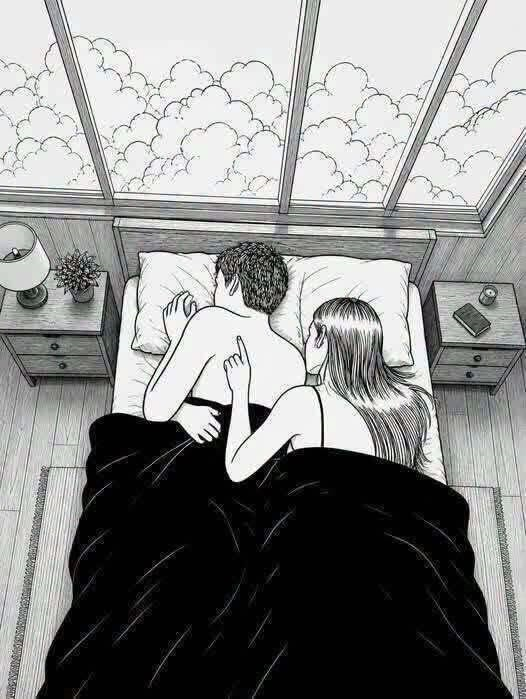
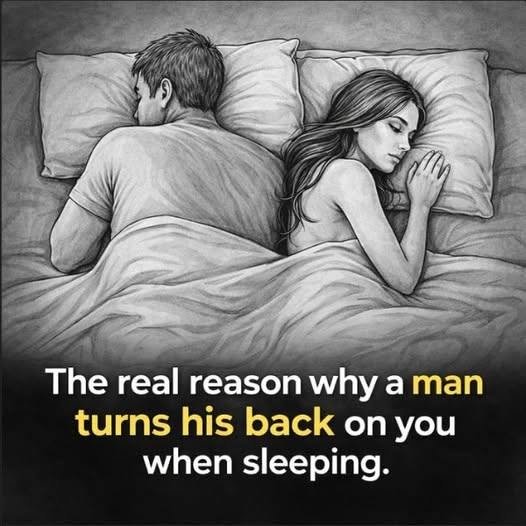
A viral social media image perfectly captures this dynamic. It features an overhead view of a couple in bed. The man is facing away, turned entirely onto his side, while the woman faces his back, her hand resting near her face, staring into the space between them. The caption asks: “If your partner turns their back on you when you sleep it means that…”
The incomplete sentence invites fear, but the reality of sleep science and relationship psychology offers a much more reassuring answer. While body language during waking hours can be a powerful indicator of our emotional state, the body language of sleep is predominantly driven by biology, comfort, and the subconscious need for physical equilibrium.
In fact, turning away from your partner is not only common, but it is often a sign of a deeply secure, independent, and healthy relationship. This comprehensive guide will explore the psychology and physiology behind sleeping positions, decode what it really means when your partner turns their back, discuss when a change in sleeping posture might actually signal an issue, and provide practical strategies for navigating different sleep styles without sacrificing emotional connection.
The Science of Sleep and the “Fight-or-Flight” State
To understand why your partner turns their back, you must first understand the biological imperative of sleep. Sleep is not a passive state; it is a highly active, essential process that governs tissue repair, memory consolidation, and hormonal regulation.
The Drop in Core Temperature
The human body is designed to sleep in a cool environment. To initiate and maintain sleep, our core body temperature must drop by about 1 to 2 degrees Fahrenheit. If you sleep close to another person, their body heat combines with yours. This can create a localized micro-climate that is too warm, preventing your core temperature from dropping efficiently. Turning away creates physical space, allowing air to circulate and heat to dissipate, which is essential for achieving deep, restorative sleep.
The Need for Physical Space
Humans naturally change positions dozens of times throughout the night. While we might start the night intertwined, staying in a fixed position restricts blood flow and causes muscle stiffness. The subconscious brain will eventually force a shift in position to relieve pressure points and allow limbs to stretch. Turning away is often simply the body’s way of finding its own optimal alignment.
The Parasympathetic Nervous System
For sleep to occur, the parasympathetic nervous system—the “rest and digest” branch—must be dominant. If the nervous system is still in a state of fight-or-flight due to stress, caffeine, or intense physical activity, the body may seek physical space to feel safe and isolated, minimizing potential sensory disruptions.
Decoding the “Back-to-Back” Sleeping Position
One of the most common variations of turning your back is the back-to-back sleeping position, where both partners face away from each other, but their spines or hips remain in physical contact.
The Myth of Rejection
In popular culture and media, the back-to-back position is frequently framed as a couple who is in conflict, sick of each other, or lacking intimacy. This is a damaging and inaccurate trope.
The Reality of Security and Independence
Relationship experts and sleep specialists often note that the back-to-back position is one of the healthiest sleeping configurations for a couple. It represents a perfect balance: they are physically connected (touching spines or hips) but have the freedom to sleep in their most comfortable, natural orientations.
This position indicates a high level of trust. The partners do not feel the need to constantly physically monitor each other to feel secure. They are confident enough in their relationship to allow each other the space to sleep soundly. It is a visual representation of two independent individuals who choose to share a space without losing themselves.
Physical and Physiological Reasons for Turning Away
When we analyze the image, we see the man turned completely to his side. There are numerous purely practical reasons for this, none of which involve a lack of love.
1. Airway and Breathing Issues
If your partner suffers from allergies, a deviated septum, or mild sleep apnea, facing away can help them maintain a clearer airway.
Snoring: Many people who snore find that turning onto their side or facing away helps keep the soft tissues of the throat from collapsing.
Carbon Dioxide: Facing away means you are not breathing in your partner’s exhaled carbon dioxide, which can make breathing feel fresher and easier.
Sensory Overload: For some, the sensation of breath on their neck or face can be highly distracting and prevent them from falling asleep.
2. The Fetal Position and Spinal Alignment
The position of the man in the image is a variation of the fetal position, which is the most common sleeping position for adults. It naturally curves the spine and relieves pressure on the lower back. It is a posture of self-comfort and protection. If a person needs to curl up to alleviate back pain, turning away is necessary.
3. Temperature Regulation
As mentioned, heat is the enemy of sleep. When you are in close contact, you are essentially sharing a personal heater. Turning away allows the front of the body to cool down. Many couples find that they cuddle for a few minutes and then consciously turn away to avoid overheating.
The Psychological Meaning of the “Back Turn”
From a psychological standpoint, the direction we face in bed can reflect our subconscious emotional state. However, it is vital to interpret this in the context of the relationship.
1. Security and Trust
Facing away from someone requires trust. You are exposing your most vulnerable side (your back) to the other person. In evolutionary terms, turning your back on someone is a sign that you do not perceive them as a threat. In a modern relationship, it is a sign of deep comfort and safety.
2. The “Closeness” Paradox
Some couples who are deeply enmeshed and perhaps lack boundaries often sleep wrapped in each other’s arms all night. While romantic, this is often a sign of anxious attachment or a need for constant reassurance. Conversely, a partner who turns their back may have a secure attachment style. They know the relationship is strong enough to survive a night of independent sleep.
3. Overstimulation and the Need for Space
For introverts or individuals with highly sensitive nervous systems, physical contact all night can be overwhelming. The bed becomes a retreat where they can finally decompress from the sensory input of the day. Turning away is a way to create a boundary of personal space while still sharing the bed with their loved one.
When Does Turning Away Become a Red Flag?
While the act of turning your back is overwhelmingly normal, context is everything. If your partner suddenly and consistently turns their back after years of sleeping closely, it might be a signal that something is off.
However, you must look at the broader picture. You cannot diagnose a relationship problem based solely on nocturnal posture. You should look for these accompanying signs:
Daytime Withdrawal: Are they also distant and uncommunicative during the day?
Avoidance: Do they actively pull away if you try to initiate physical contact before sleep?
Hostility or Silence: Is the back-turning accompanied by an unresolved argument or a cold shoulder?
A Complete Lack of Physical Touch: Did all daytime hugs and casual touches stop simultaneously?
If the back-turning is combined with these daytime behaviors, it is likely a symptom of an emotional disconnect or an unresolved conflict, not the cause of it. In such cases, the problem is not the sleeping position; it is the lack of communication.
The History of Couples’ Sleeping Arrangements
To further alleviate anxiety, it helps to look at how sleeping arrangements have evolved historically and culturally.
The Victorian Era
In the Victorian era, it was considered highly improper for couples to share a bed at all. Separate beds, or even separate bedrooms, were common among the upper classes, and this was not seen as a lack of love; it was a sign of refinement and good manners.
The Mid-20th Century
The 1950s popularized the image of the twin beds pushed together, reflecting a desire for modern hygiene and personal space. It was only in the late 20th century that the shared bed (and the expectation of physical closeness) became the absolute standard.
Cultural Variations
In many Eastern cultures, sleeping on hard surfaces or in separate rooms is common, and the concept of “cuddle sleeping” is not a metric for relationship success. In the modern era, the rise of the “sleep divorce”—where couples choose to sleep in separate beds or rooms for better sleep quality—is becoming increasingly accepted by sleep experts. The priority is shifting from societal expectations of intimacy to the biological necessity of rest.
The Science of Sleep: Why Cuddling All Night is a Myth
The societal expectation that couples must fall asleep in each other’s arms and wake up in the exact same position is a myth perpetuated by movies and television.
In reality, the human body is not designed to be held in a static embrace for eight hours. When we sleep, our bodies naturally relax and our muscles lose their tone. If we try to hold an embrace, we contort our bodies, leading to neck pain, shoulder impingement, and numbness in the arms.
Furthermore, sleep cycles dictate that we go through periods of deep sleep and REM sleep. During REM sleep (when we dream), our bodies can become restless. It is completely natural for the initial cuddle to break apart as the night progresses.
Practical Solutions for Different Sleep Styles
If you or your partner are struggling with sleeping positions and it is causing friction, there are several practical, evidence-based strategies that can help you both get a good night’s sleep without sacrificing emotional connection.
1. The “Cuddle and Release” Method
You can have the best of both worlds. Agree to spend 10 to 15 minutes before sleep cuddling, talking, or holding hands. This satisfies the emotional need for closeness and releases oxytocin (the bonding hormone). Once you both feel connected and relaxed, consciously separate into your preferred sleeping positions. This ensures you get the emotional connection without compromising hours of restorative sleep.
2. The Scandinavian Sleep Method
If the issue is temperature regulation or blanket hogging, try the Scandinavian sleep method. Instead of sharing one large duvet, use two separate single duvets on the same bed. This allows each partner to control their own temperature and prevents the tug-of-war that can lead to frustration and turning away.
3. Invest in a Larger Mattress
Sometimes, the need to turn away is simply a lack of space. If you are sleeping on a full or queen-sized bed and both partners are tall or move around a lot, upgrading to a king-sized mattress can be a game-changer. The extra space allows you to have your own “sleep zone” without feeling like you are clinging to the edge of the bed.
4. Use a Body Pillow
If your partner turns their back and you feel a sense of loss, a body pillow can be a comforting substitute. It provides a physical weight and presence that mimics a partner, allowing you to sleep comfortably on your side without feeling alone.
5. Morning Reconnection Rituals
If you wake up facing opposite directions, make a habit of reconnecting first thing in the morning. A hug, a kiss, or even just a few minutes of conversation over coffee can reinforce your bond and remind you that the nighttime distance was purely physical, not emotional.
When to Talk to a Professional
If your partner’s sleeping position is causing you profound anxiety, or if you suspect it is a symptom of a deeper relationship issue, it may be helpful to speak with a couples counselor.
A therapist can help you navigate attachment styles, improve your communication about physical and emotional needs, and separate the biological realities of sleep from the psychological interpretation of rejection.
Additionally, if your partner’s turning away is accompanied by loud snoring, gasping for air, or severe restless legs, it is worth consulting a sleep specialist. Treating underlying sleep disorders can drastically improve sleep quality and, by extension, the relationship.
Frequently Asked Questions
Q: Does sleeping with his back turned mean he doesn’t love me anymore? No. For the vast majority of people, it is simply the most comfortable physical position for sleeping. It is a subconscious physical choice to regulate temperature and align the spine, not a conscious emotional statement.
Q: Why does he pull away when I try to cuddle in his sleep? This is usually an instinctive reaction to physical restriction. His sleeping brain interprets the cuddling as an obstacle to movement or a source of heat, and he shifts away to get comfortable. It has nothing to do with waking affection.
Q: What is the most common sleeping position for couples? Research shows that back-to-back is one of the most common sleeping positions for couples. It is associated with feelings of security, independence, and a healthy boundary between partners.
Q: What if he used to cuddle and now turns away? If the change is sudden, it is worth checking in during the daytime. He might be experiencing physical pain (like a sore shoulder), or he might be under a lot of stress. Have an honest, non-accusatory conversation to see if anything is bothering him.
Q: How can we feel close if we don’t touch while sleeping? Focus on the waking hours. Physical intimacy and emotional connection are built during the day, through conversations, shared activities, and moments of affection. The eight hours of sleep is for your body to rest, not necessarily for your relationship to be validated.
Q: Is it normal to move away from my partner during the night? Yes, it is entirely normal. The human body naturally shifts positions dozens of times a night to prevent muscle stiffness and allow blood to flow freely. Holding a single position all night is uncomfortable and unnatural.
Q: Does turning away mean we are growing apart? Not necessarily. In many cases, it means you have grown comfortable enough with each other to prioritize individual sleep needs. A secure relationship allows for independence, even in the shared space of the bed.
Q: Can sleeping positions predict divorce? No, there is no scientific evidence that a specific sleeping position predicts divorce. Relationship success is determined by communication, trust, and mutual respect, not by the posture you adopt while unconscious.
Q: What if my partner turns away because they are angry? If the back-turning is accompanied by daytime silence, hostility, or a refusal to communicate, it might be a manifestation of unresolved anger. In this case, the sleeping position is just a symptom. It is crucial to address the underlying conflict through open communication or couples therapy.
Q: Is the “spooning” position better than turning away? Spooning is often seen as the pinnacle of intimacy, but it is not inherently “better.” It is great for short periods but is often impractical for a full night’s sleep due to overheating and physical restriction. All sleeping positions have their pros and cons.
Conclusion
The image of a man turning his back while his partner looks on is a powerful visual, one that taps into our deepest insecurities about love and connection. However, the reality of sleep is far less dramatic and far more biological. When your partner turns their back, they are usually just trying to cool down, stretch their legs, or align their spine for a restful night.
A partner turning their back is almost always a sign that they are comfortable enough with you to drop their guard, find their optimal sleeping position, and get the rest they need. Rather than reading into their nighttime posture, focus on the quality of your interactions during the day. By embracing the “cuddle and release” philosophy, utilizing separate blankets, and communicating openly about your sleep needs, you can ensure that the nighttime distance actually strengthens the bond you share in your waking life. Rest is vital, and a well-rested partner is a much better partner.