Unlocking Radiant Skin: How to Use Ginger and Lemon to Fade Dark Spots Naturally
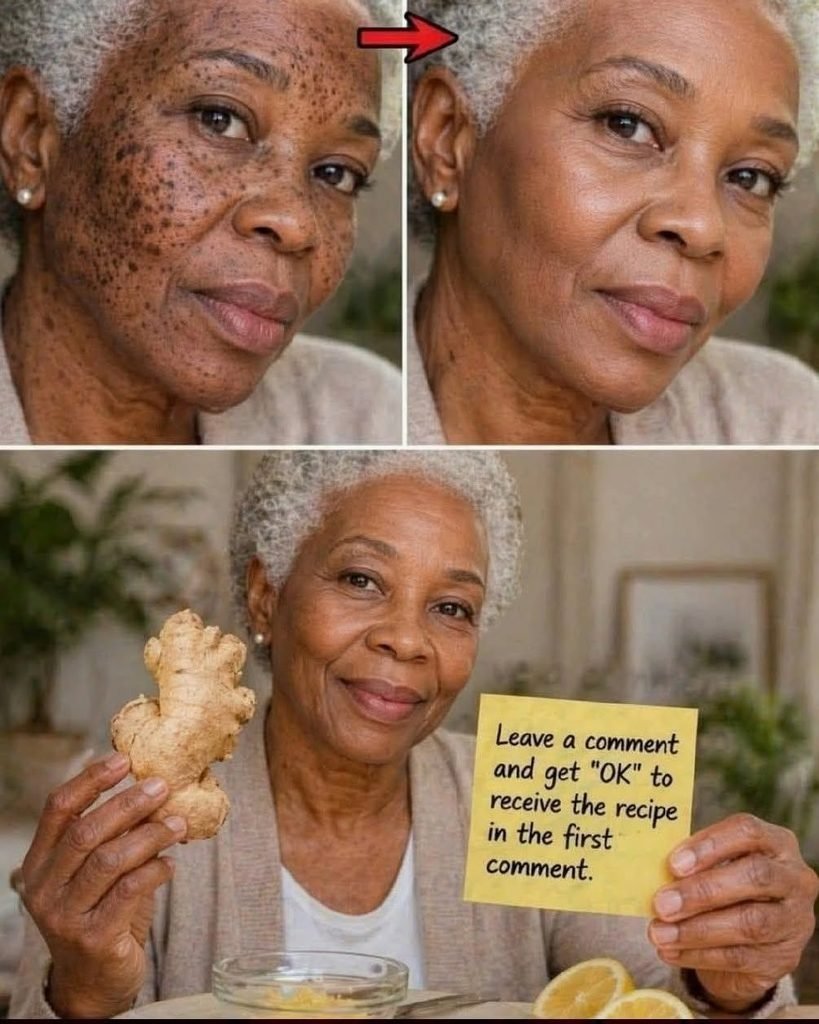
The pursuit of clear, even-toned skin is a universal desire that transcends age and culture. As we journey through life, our skin bears the marks of our experiences, the passage of time, and the cumulative effects of environmental exposure. Among the most common and frustrating of these marks are dark spots, often referred to medically as hyperpigmentation or solar lentigines. A viral social media image recently captured the attention of millions by showcasing a dramatic before-and-after transformation of an older woman’s face—from heavily spotted skin to a remarkably clear complexion. The secret to this transformation, according to the post, lies in a simple, natural remedy involving two common kitchen staples: ginger and lemon.
For generations, traditional medicine systems around the world have harnessed the potent properties of ginger and lemon for a variety of health and beauty applications. Ginger, with its warm, spicy nature, has long been valued for its anti-inflammatory and circulatory benefits. Lemon, celebrated for its bright, acidic profile, has been utilized as a natural astringent and brightening agent. When combined, these two ingredients create a powerful synergy that can target the root causes of hyperpigmentation, gently exfoliate the skin, and promote a more luminous, even-toned complexion.
However, navigating the world of DIY skincare requires more than just mixing ingredients together. It requires a deep understanding of how these natural compounds interact with the delicate biology of your skin. This comprehensive guide will explore the science behind dark spots, the specific benefits of ginger and lemon for the skin, detailed recipes for incorporating them into your routine, and crucial safety precautions to ensure your journey to clearer skin is both effective and safe.
Understanding Dark Spots: The Science of Hyperpigmentation
Before diving into the remedies, it is essential to understand what dark spots actually are. Hyperpigmentation is a broad term that describes a condition where patches of skin become darker in color than the normal surrounding skin. This occurs when there is an overproduction of melanin, the natural pigment that gives your skin, hair, and eyes their color.
The Role of Melanocytes
Melanin is produced by specialized cells called melanocytes, which are located in the basal layer of the epidermis (the outermost layer of skin). When the skin is exposed to certain triggers, these melanocytes go into overdrive, producing excess melanin as a defensive mechanism. This excess pigment is then transferred to the surrounding skin cells (keratinocytes) as they move toward the surface, resulting in visible dark spots.
Common Triggers for Dark Spots
Ultraviolet (UV) Exposure: This is the most common cause of dark spots, often referred to as age spots or sun spots. UV radiation from the sun stimulates melanin production to protect the skin’s DNA from damage. Over time, this exposure leads to localized areas of hyperpigmentation.
Post-Inflammatory Hyperpigmentation (PIH): This occurs after an injury to the skin, such as acne, eczema, a burn, or an insect bite. The inflammation triggers excess melanin production in the healing area.
Hormonal Changes: Conditions like melasma are heavily influenced by hormonal fluctuations, particularly estrogen and progesterone, which can occur during pregnancy, menopause, or while taking oral contraceptives.
Aging: As we age, skin cell turnover slows down. This means that the excess melanin produced over a lifetime stays on the skin’s surface for longer periods, making spots more visible.
The Brightening Power of Ginger: Nature’s Anti-Inflammatory Marvel
Ginger (Zingiber officinale) is not just a flavorful culinary spice; it is a powerhouse of bioactive compounds with profound effects on the skin. The primary active components in ginger are gingerols and shogaols, which are responsible for its characteristic pungency and its medicinal properties.
1. Potent Antioxidant Activity
Free radicals, generated by UV exposure, pollution, and normal metabolic processes, damage skin cells and accelerate the aging process, including the formation of dark spots. Ginger is rich in antioxidants that neutralize these free radicals, protecting the skin’s structural integrity and preventing premature aging. By neutralizing oxidative stress, ginger helps to maintain a healthy skin barrier.
2. Melanin Inhibition
One of the most exciting aspects of ginger for skin brightening is its potential to inhibit melanin synthesis. Certain studies have indicated that ginger extracts can block the activity of tyrosinase, the enzyme responsible for the production of melanin. By slowing down this enzyme, ginger helps to prevent the formation of new dark spots and can gradually fade existing ones.
3. Anti-Inflammatory Properties
Inflammation is a key driver of hyperpigmentation, particularly PIH. Ginger contains powerful anti-inflammatory compounds that can soothe irritated skin, reduce redness, and calm the inflammatory response. By reducing inflammation, ginger prevents the chain reaction that leads to excess melanin production following skin trauma.
4. Stimulation of Blood Circulation
Ginger is known as a “warming” herb. When applied topically or consumed internally, it promotes healthy blood circulation. Improved microcirculation to the skin’s surface ensures that skin cells receive adequate oxygen and nutrients, which is essential for the skin’s natural repair and renewal processes. This enhanced nutrient delivery can result in a healthier, more radiant complexion.
The Brightening Power of Lemon: A Natural Astringent and Vitamin C Source
Lemon (Citrus limon) is a staple in natural beauty routines, celebrated for its ability to brighten the skin and reduce the appearance of blemishes.
1. High Concentration of Vitamin C
Lemons are exceptionally rich in Vitamin C (ascorbic acid), a powerful antioxidant and a crucial component in the synthesis of collagen. Collagen provides the skin with structure and elasticity. Furthermore, Vitamin C is a well-known tyrosinase inhibitor. It helps to interrupt the melanin production process, making it an excellent ingredient for fading dark spots and evening out skin tone.
2. Gentle Exfoliating Properties (Citric Acid)
Lemon juice contains citric acid, an alpha-hydroxy acid (AHA). AHAs are chemical exfoliants that help to break down the “glue” holding dead skin cells together. By gently sloughing away the top layer of dead skin, citric acid reveals the fresh, brighter skin underneath. This action is particularly beneficial for fading the surface pigmentation of age spots.
3. Astringent and Antibacterial Effects
Lemon juice acts as a natural astringent, helping to tighten pores and reduce excess oil production. Its antibacterial properties can also help combat acne-causing bacteria, which is useful for preventing the cycle of acne and subsequent post-inflammatory hyperpigmentation.
Essential Safety Precautions: The Critical Rules of Natural Skincare
Before you rush to the kitchen to create a ginger and lemon mixture, it is absolutely imperative to understand the risks associated with these ingredients, particularly lemon.
The Phototoxicity of Lemon Juice
Lemon juice is highly acidic, with a pH level of around 2. When applied undiluted to the skin, it can severely disrupt the skin’s natural acid mantle (which is slightly acidic, around pH 4.5 to 5.5). This can lead to severe irritation, redness, and chemical burns.
More importantly, lemon juice is photosensitive. This means it makes your skin highly sensitive to ultraviolet (UV) light. If you apply lemon juice to your skin and then expose it to the sun, you risk developing phytophotodermatitis—a severe skin reaction that causes severe blistering, burns, and paradoxically, more hyperpigmentation. Therefore, if you use lemon on your skin, you must wear a high-SPF sunscreen and strictly avoid direct sun exposure.
The Importance of Dilution and Patch Testing
Never apply pure ginger juice or pure lemon juice directly to your face. These ingredients must always be heavily diluted with water, carrier oils, or other soothing ingredients (like aloe vera).
Furthermore, always perform a patch test before applying any new mixture to your face. Apply a small amount to the inside of your elbow or wrist, cover it with a bandage, and wait 24 to 48 hours. If you experience redness, itching, or burning, do not proceed with the treatment.
The Viral Recipe: How to Make a Ginger and Lemon Face Mask
Based on the principles of natural skincare, here are two safe and effective recipes using ginger and lemon to target dark spots.
Recipe 1: The Gentle Brightening Mask (Best for Weekly Use)
This recipe combines the melanin-inhibiting properties of ginger and lemon with the soothing, hydrating benefits of aloe vera and honey.
Ingredients:
1 teaspoon of freshly grated ginger (or ginger juice)
1 teaspoon of fresh lemon juice (strained)
1 tablespoon of pure aloe vera gel
1 teaspoon of raw honey (antibacterial and soothing)
Instructions:
Grate a small piece of fresh ginger and squeeze it to extract the juice. Alternatively, use a blender to puree a small piece of ginger and strain out the pulp.
Mix the ginger juice, fresh lemon juice, aloe vera gel, and honey in a small bowl until you achieve a smooth, gel-like consistency.
Cleanse your face thoroughly with a gentle cleanser and pat dry.
Using clean fingers or a soft brush, apply a thin layer of the mask to the affected areas or the entire face, avoiding the eye and lip areas.
Leave the mask on for 10 to 15 minutes. Do not leave it on longer, especially the first few times, as the lemon can begin to irritate the skin.
Rinse off gently with cool water.
Apply a gentle, hydrating moisturizer immediately afterward.
Recipe 2: The Targeted Spot Treatment (Best for Overnight Use)
For stubborn spots, a more concentrated treatment can be applied directly to the pigmented areas. Note: This recipe uses carrier oil to dilute the acidity of the lemon.
Ingredients:
1 teaspoon of ginger juice
2 drops of lemon essential oil (Highly concentrated, use with caution. If you do not have essential oil, use 1/2 teaspoon of fresh lemon juice.)
1 tablespoon of jojoba oil or sweet almond oil (a non-comedogenic carrier oil)
Instructions:
Combine the ginger juice, lemon essential oil, and jojoba oil in a small glass dropper bottle. Shake well to mix.
Cleanse your face and tone as usual.
Using a cotton swab, dab a tiny amount of the mixture directly onto the dark spots. Do not apply it to the entire face.
Leave it on overnight.
Rinse off in the morning with a gentle cleanser.
Internal Support: Ginger and Lemon Tea for Skin Health
Skin health is not just about what you put on your face; it is also a reflection of your internal health. Consuming ginger and lemon tea daily can provide systemic benefits that support skin brightening from the inside out.
How to make it:
Slice a one-inch piece of fresh ginger.
Boil the ginger in two cups of water for 5-10 minutes.
Strain the liquid into a mug.
Add the juice of half a fresh lemon.
Optionally, add a teaspoon of raw honey for sweetness.
Benefits for the skin:
Improved Digestion: Ginger aids in digestion and helps reduce internal inflammation. A healthy gut is closely linked to healthy skin, often preventing inflammatory acne.
Liver Support: Lemon stimulates the liver, which is the body’s primary detoxification organ. When the liver is functioning optimally, it helps clear toxins that might otherwise manifest as dull or blemished skin.
Hydration: Drinking this tea encourages overall water intake, which is essential for plump, luminous skin.
A Step-by-Step Guide to Applying These Remedies Safely
To ensure you achieve the best results without damaging your skin, follow this comprehensive routine:
Step 1: The 24-Hour Patch Test
As emphasized earlier, never skip this step. Your skin is unique, and what works for someone else might cause a severe reaction for you.
Step 2: The Evening Application Rule
Because of the photosensitivity of lemon, it is strongly recommended to apply these masks or treatments only at night. If you must apply a lemon-based product during the day, you must wear a broad-spectrum sunscreen with an SPF of 30 or higher immediately after.
Step 3: Consistency and Patience
Natural remedies are not magic overnight cures. Dark spots are deeply embedded in the skin. It takes time for the skin’s natural exfoliation process to bring the pigmented cells to the surface. Expect to see results after 4 to 6 weeks of consistent, weekly use.
Step 4: Listen to Your Skin
If you experience any redness, itching, burning, or peeling, stop using the treatment immediately. Your skin barrier is compromised, and you need to focus on soothing and moisturizing rather than exfoliating and brightening.
Complementary Skincare Habits for Fading Dark Spots
To maximize the efficacy of your ginger and lemon treatments, you must incorporate these essential habits into your daily routine.
1. Unwavering Sun Protection
No natural remedy, expensive serum, or dermatological treatment can overcome unprotected sun exposure. UV rays are the primary driver of hyperpigmentation. If you do not wear sunscreen daily, your dark spots will continue to darken, and your hard work will be undone. Use a broad-spectrum SPF 30+ every single day, regardless of the weather, and reapply every two hours if you are outdoors.
2. Gentle Exfoliation
While lemon provides natural citric acid, you can support your skin by using a gentle physical or chemical exfoliant (like a mild lactic acid serum) once or twice a week. This helps to remove the dead skin cells that trap melanin, allowing your brightening treatments to penetrate more effectively. Do not over-exfoliate, as this can cause inflammation and worsen PIH.
3. Intense Hydration
A well-hydrated skin barrier heals faster and looks brighter. Apply a hydrating moisturizer containing ingredients like hyaluronic acid, glycerin, or ceramides twice daily.
4. Antioxidant-Rich Diet
Support your skin from within by consuming a diet rich in antioxidants. Include colorful fruits and vegetables (like berries, tomatoes, and spinach) that are packed with Vitamin C, Vitamin E, and beta-carotene, which help fight free radical damage.
When to See a Dermatologist
While ginger and lemon can be highly effective for superficial hyperpigmentation, some types of dark spots require professional medical intervention. You should consult a board-certified dermatologist if:
You notice a spot that is changing in size, shape, or color, or has irregular borders (a potential sign of skin cancer).
The hyperpigmentation is deep, such as melasma or dermal pigmentation, which does not respond to topical natural remedies.
You develop severe irritation, blistering, or an allergic reaction from a home remedy.
You are seeking faster, more dramatic results. Dermatologists can offer prescription-strength topical treatments (like hydroquinone or tretinoin), chemical peels, laser therapy, or intense pulsed light (IPL) treatments that are clinically proven to fade stubborn pigmentation.
Frequently Asked Questions
Q: Can ginger and lemon really remove dark spots? Ginger and lemon contain compounds (gingerol and Vitamin C, respectively) that can help inhibit melanin production and gently exfoliate the skin. This can significantly fade the appearance of superficial dark spots over time. However, they are not an instant cure, and deep pigmentation may require professional treatment.
Q: Is it safe to apply lemon juice directly to my face? No. Pure lemon juice is highly acidic and can burn the skin, disrupt the protective acid mantle, and cause severe irritation. It must always be diluted with water, carrier oils, or soothing ingredients like aloe vera and honey.
Q: Can I leave a ginger and lemon mask on overnight? It is generally not recommended. Lemon juice is photosensitive and can irritate the skin if left on for extended periods. A targeted spot treatment diluted in a carrier oil can be used overnight on specific spots, but full-face masks should be rinsed off after 10-15 minutes.
Q: How long does it take to see results? Because natural remedies work with the skin’s natural renewal cycle, it typically takes 4 to 6 weeks of consistent weekly use to see noticeable fading of dark spots.
Q: Does ginger and lemon tea help with skin brightening? Yes, consuming ginger and lemon tea can support skin health from within. Ginger aids digestion and reduces systemic inflammation, while lemon provides Vitamin C, an essential antioxidant for skin repair and collagen production.
Q: Can I use these remedies if I have sensitive skin? People with sensitive skin should be extremely cautious. A patch test is mandatory. If your skin is easily irritated, consider using ginger alone (which is less irritating than lemon) or consult a dermatologist for a safer alternative.
Q: What should I do if my skin burns after applying lemon? Rinse the area immediately with cool water. Do not apply any other harsh products. Apply a soothing, fragrance-free moisturizer or pure aloe vera gel. Avoid sun exposure and contact a doctor if the irritation is severe.
Q: Can I use lemon essential oil instead of fresh lemon juice? Essential oils are highly concentrated. Lemon essential oil is phototoxic and should never be applied undiluted to the skin. It must be heavily diluted in a carrier oil (typically 1-2 drops per tablespoon of carrier oil). For beginners, fresh lemon juice diluted in water is often safer.
Q: Can I use these treatments on my body? Yes, these treatments can be applied to dark spots on the body, such as the hands, arms, and legs. Just ensure the skin is not broken or irritated.
Q: Is it true that ginger can help with acne? Yes. Ginger has strong antibacterial and anti-inflammatory properties. Applying a diluted ginger mask can help reduce the bacteria that cause acne and soothe the inflammation associated with breakouts, which can prevent future post-inflammatory hyperpigmentation.
Conclusion
The viral image of the woman holding ginger and lemon highlights a compelling truth: nature often provides powerful tools for skin rejuvenation. The combination of ginger’s anti-inflammatory and tyrosinase-inhibiting properties with lemon’s Vitamin C and gentle exfoliating acids offers a viable, natural path to fading dark spots and achieving a more even skin tone.
However, the path to radiant skin requires a commitment to safety and patience. Lemon juice is a potent acid that demands respect; always dilute it, always perform a patch test, and never skip your daily sunscreen. By integrating these natural remedies responsibly into a holistic skincare routine that includes hydration, sun protection, and a healthy diet, you can harness the power of ginger and lemon to unlock your skin’s natural luminosity. Remember that true skin health is a marathon, not a sprint, and the most beautiful skin is healthy, protected, and cared for with intention.