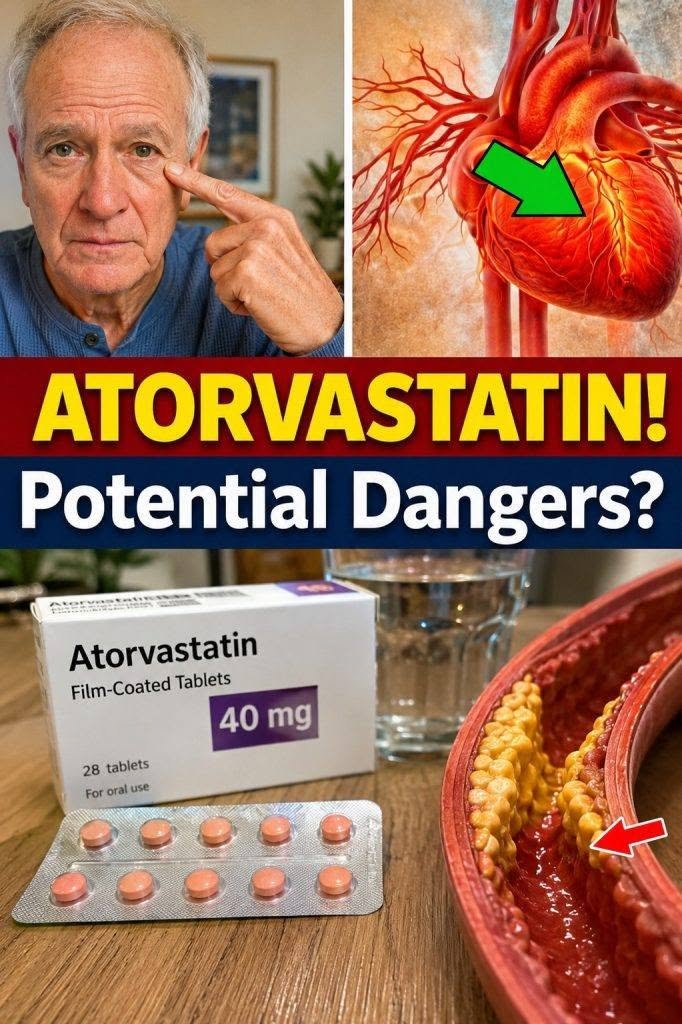
Atorvastatin and Potential Dangers: A Balanced Look at the Risks and Benefits
Statins are among the most widely prescribed medications in the world, and atorvastatin (often sold under the brand name Lipitor) sits at the top of the list. For millions of people, this medication is a daily ritual—a small pill taken to lower cholesterol and ward off heart attacks and strokes. However, headlines and social media posts frequently raise alarming questions about potential dangers, leaving patients wondering whether the medication they rely on is actually harming them. This article examines the science behind atorvastatin, exploring both its well-established benefits and the real, evidence-based risks associated with its use. The goal is not to cause alarm or to encourage anyone to stop taking a prescribed medication, but to provide a clear, accurate, and balanced overview that empowers patients to have informed conversations with their healthcare providers.
Why Atorvastatin Is Prescribed: The Cardiovascular Benefits
Before delving into potential side effects, it is essential to understand why atorvastatin is prescribed in the first place. Atorvastatin belongs to a class of drugs called statins, which work by blocking an enzyme in the liver that is responsible for producing cholesterol. By inhibiting this enzyme, statins cause the liver to remove more cholesterol from the blood, thereby lowering levels of low-density lipoprotein (LDL) cholesterol—often referred to as “bad” cholesterol.
The benefits of this cholesterol-lowering effect are substantial and have been demonstrated in numerous large-scale clinical trials. According to health authorities, medical evidence consistently shows that for individuals at high risk of cardiovascular disease, the benefits of taking a statin far outweigh the chance of possible side effects. Statins are effective at reducing the risk of heart attack, stroke, and other major cardiovascular events, and they are considered a cornerstone of preventive care for people with elevated cardiovascular risk.
For most people, atorvastatin is both effective and safe. The Mayo Clinic notes that while statins are linked to certain side effects, they are safe for the vast majority of users. Understanding this risk-benefit balance is the foundation for evaluating the potential dangers.
The Most Common Side Effects
Like all medications, atorvastatin can cause side effects. The most frequently reported issues are generally mild and manageable, but they can be bothersome enough to affect quality of life. According to the official prescribing information, the most common side effects of atorvastatin include nasal congestion, sore throat, runny nose, muscle and joint pain, diarrhea, pain in the extremities, urinary tract infections, upset stomach, nausea, musculoskeletal pain, muscle spasms, trouble sleeping, and throat pain.
These symptoms are not universal, and many people experience none of them. However, when they do occur, it is important to discuss them with a healthcare provider rather than simply stopping the medication. In many cases, a change in dose or a switch to a different statin can alleviate the discomfort without sacrificing cardiovascular protection.
Muscle Pain and the “Nocebo Effect”
Muscle pain is perhaps the most widely discussed side effect of statins. People taking atorvastatin may experience soreness, tiredness, or weakness in their muscles, ranging from mild discomfort to pain severe enough to interfere with daily activities.
However, the science of statin-related muscle pain is more complex than it first appears. Researchers have identified what is known as the “nocebo effect” in this context. A nocebo effect occurs when a person expects a negative side effect from a medication and consequently reports experiencing that side effect at higher rates than the medicine should actually cause. The real risk of developing muscle pain from taking statins is estimated to be about 5% or less compared with a placebo. Studies have even found that some participants stopped taking their pills because of muscle aches—even when they were taking a placebo. This highlights the powerful role that expectation and information can play in how people experience medication side effects.
Serious Muscle Damage: Rhabdomyolysis
While mild muscle pain is a common complaint, a far more serious condition called rhabdomyolysis is a rare but potentially life-threatening risk. Rhabdomyolysis is a severe form of muscle breakdown that can lead to extreme muscle pain, liver damage, kidney failure, and even death.
The risk of this serious side effect is extremely low. Only a few cases of rhabdomyolysis occur per million people taking statins. However, the risk is not zero, and it increases under certain conditions. Factors that elevate the risk include taking atorvastatin in combination with certain other medications, taking a high dose of the statin, having impaired kidney function, being aged 65 or older, having uncontrolled hypothyroidism, or using drugs that increase the concentration of atorvastatin in the blood.
Patients are advised to promptly report any unexplained muscle pain, tenderness, or weakness, particularly if it is accompanied by malaise or fever. Early recognition and discontinuation of the medication are crucial for preventing severe outcomes.
Liver Effects: From Mild Enzyme Elevations to Rare Injury
The liver is the primary site of atorvastatin’s action, so it is not surprising that the medication can affect liver function. Sometimes, statin use causes an increase in liver enzyme levels, which can signal inflammation. In many cases, these elevations are mild and do not require stopping the medication. However, the prescribing information warns that atorvastatin may cause liver enzyme elevations and, in rare cases, liver failure.
Patients are typically advised to have liver function tests before starting atorvastatin and if they develop symptoms suggestive of liver problems. Symptoms that warrant immediate medical attention include unusual fatigue or weakness, loss of appetite, pain in the upper stomach, dark-colored urine, and yellowing of the skin or eyes. While clinically apparent drug-induced liver injury is rare, it is a recognized risk that healthcare providers monitor for.
Increased Blood Sugar and the Risk of Type 2 Diabetes
Another potential concern is the effect of atorvastatin on blood sugar. Statins, including atorvastatin, can increase blood glucose levels, and some data suggest that they may increase the risk of developing diabetes mellitus. The U.S. Food and Drug Administration has added safety label changes to statins indicating that these medications can increase glycosylated hemoglobin and fasting serum glucose levels.
This is a nuanced issue. The risk is generally small, but it is important enough that it is included in the medication’s labeling. For patients with diabetes or those at risk of developing it, blood sugar should be monitored closely while taking atorvastatin. However, experts emphasize that the cardiovascular benefits of statin therapy—the reduction in heart attacks and strokes—outweigh the generally mild rise in serum glucose levels or the small increase in new-onset diabetes risk. This is a classic example of the risk-benefit trade-off that doctors and patients must weigh together.
Drug Interactions That Can Amplify Risks
Atorvastatin is metabolized by the liver, and certain other medications can interfere with this process, leading to higher levels of the statin in the bloodstream and an increased risk of side effects, particularly muscle-related ones. Using atorvastatin with potent inhibitors of the CYP3A4 enzyme can significantly increase its plasma concentration, raising the risk of myopathy and rhabdomyolysis.
The prescribing information specifically discourages the use of atorvastatin with certain medications, including cyclosporine, gemfibrozil, tipranavir/ritonavir, and glecaprevir/pibrentasvir. Additionally, patients are advised to limit their intake of grapefruit juice, as it can also affect how the body processes the medication.
Other drugs that may interact with atorvastatin include digoxin, norethindrone, and ethinyl estradiol, the latter two being components of certain hormonal contraceptives. It is crucial for patients to inform their doctor and pharmacist about all medications, supplements, and herbal products they are taking to avoid potentially dangerous interactions.
How Atorvastatin Compares to Other Statins
The potential dangers of atorvastatin do not necessarily mean it is more or less safe than other statins. Research comparing atorvastatin with other medications in its class, such as rosuvastatin, provides context. A large real-world cohort study found that rosuvastatin initiation was associated with a lower risk of all-cause mortality and major adverse cardiovascular events compared with atorvastatin. Rosuvastatin also conferred a lower risk for major adverse liver outcomes.
However, rosuvastatin was associated with a higher risk of developing type 2 diabetes in one of the databases analyzed. The two medications carried similar risks for the development of chronic kidney disease and other statin-related adverse effects. These differences are relatively small and require further research, but they highlight that the “best” statin can vary from person to person. Your healthcare provider can help determine which statin and dose are most appropriate for your individual risk profile.
What Patients Should Do If They Have Concerns
The most important message for anyone taking atorvastatin is simple: do not stop taking your medication without first talking to your doctor. Suddenly discontinuing a statin can lead to a dangerous increase in cholesterol levels and an elevated risk of cardiovascular events. The risks of uncontrolled high cholesterol and the complications it causes are well-established and far more common than the serious side effects of statins.
If you are experiencing symptoms that you believe may be related to atorvastatin, schedule an appointment with your healthcare provider. They can assess your symptoms, perform any necessary tests, and determine whether a dose adjustment, a switch to a different statin, or an alternative treatment approach is appropriate. The Mayo Clinic advises that a change in how much medicine you take or even a different type of medicine may help if you are experiencing side effects.
Frequently Asked Questions
Q: Is atorvastatin dangerous for most people? For most people, atorvastatin is safe and effective when taken as prescribed. Serious side effects are rare, and the benefits for reducing cardiovascular risk are well-established. The medication has been used for decades and is supported by extensive clinical evidence.
Q: What is the most common side effect of atorvastatin? Muscle and joint pain are among the most commonly reported side effects. Other common issues include digestive problems, headache, and respiratory symptoms like a runny nose or sore throat. Many people experience no side effects at all.
Q: Can atorvastatin cause liver damage? Atorvastatin can cause mild elevations in liver enzymes, and in rare cases, more serious liver injury has been reported. Patients should be aware of symptoms such as unusual fatigue, loss of appetite, dark urine, or yellowing of the skin, and should report them to their doctor promptly.
Q: Does atorvastatin increase blood sugar? Yes, statins including atorvastatin can increase blood sugar levels and may slightly increase the risk of developing type 2 diabetes. However, for most patients, the cardiovascular benefits of the medication outweigh this risk. Blood sugar should be monitored, especially in people with diabetes or prediabetes.
Q: What are the signs of a serious muscle problem while taking atorvastatin? Seek medical attention if you experience unexplained muscle pain, tenderness, or weakness, especially if it is accompanied by fever, tiredness, or dark-colored urine. These could be signs of rhabdomyolysis, a rare but serious condition.
Q: Can I take atorvastatin with other medications? Many medications can interact with atorvastatin, increasing the risk of side effects. Always provide a complete list of your medications, including over-the-counter drugs and supplements, to your doctor and pharmacist so they can check for potential interactions.
Q: Should I stop taking atorvastatin if I experience side effects? Never stop taking a prescribed medication without consulting your healthcare provider. They can help determine whether your symptoms are related to the medication and recommend the best course of action, which may include a dose adjustment or a switch to a different treatment.
Conclusion
Atorvastatin is a powerful and widely used medication that has helped countless people reduce their risk of heart attack and stroke. While it is associated with potential side effects—including muscle pain, liver enzyme changes, and a small increase in blood sugar—the serious risks are rare, and the cardiovascular benefits are substantial for those who need it. The key to safe and effective use lies in informed communication with your healthcare provider. By understanding both the benefits and the potential dangers, and by maintaining an open dialogue with your doctor, you can make decisions that support your long-term health and well-being.