The Laundry Wrinkle Solution: Simple Tricks to Skip Ironing and Keep Clothes Crisp
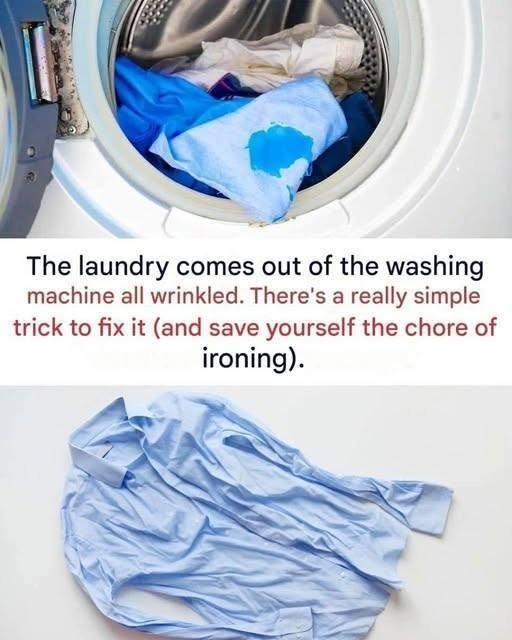
There are few household frustrations quite as universal as pulling a freshly washed shirt out of the washing machine, only to find it tangled, creased, and looking like it has been slept in. For many people, the immediate reaction is to resign themselves to an hour at the ironing board. However, the image above suggests that there is a simple trick to fix this problem and save yourself the chore of ironing entirely.
The good news is that this claim is grounded in practical laundry science. You do not need a magic potion or a specialized appliance to reduce wrinkles. The solution lies in understanding why clothes wrinkle in the wash and making a few strategic adjustments to your routine. By implementing a combination of preventive habits and a well-known dryer trick, you can drastically reduce creases and keep your garments looking crisp without ever plugging in an iron.
Why Do Clothes Wrinkle in the Washing Machine?
Before looking at the solutions, it helps to understand the root cause of the problem. Clothes wrinkle due to a combination of water, heat, and mechanical agitation. When fabrics get wet, their fibers swell and relax. As the washing machine spins, the clothes are tossed and tangled together.
When the spin cycle ends, the clothes are tightly packed against the drum. The weight and pressure of the wet fabric pressing against itself creates deep creases. If you leave those clothes sitting in the drum for hours after the cycle finishes, the wrinkles set in, making them much harder to remove later.
Preventive Strategies: Setting Your Machine Up for Success
The easiest way to tackle wrinkles is to stop them from forming in the first place. Small changes to how you load and run your washing machine can make a massive difference.
1. Do Not Overload the Machine This is the single most common cause of deeply wrinkled laundry. When you stuff the drum full, the clothes have no room to move around. They become tightly compacted, and the agitation cannot properly clean or rinse them. As a rule of thumb, the drum should be about three-quarters full. You should be able to place your hand flat at the top of the pile with ease.
2. Choose the Right Spin Speed High spin speeds are excellent for extracting water and reducing drying time, but they can also press the clothes aggressively against the drum, creating sharp creases. If you are washing delicate items or shirts prone to wrinkling, consider lowering the spin speed to a medium or low setting.
3. Use the Right Amount of Detergent Using too much detergent leaves a sticky residue on the fabrics. This residue can cause the fibers to clump together and stiffen, making wrinkles more pronounced. Always follow the manufacturer’s instructions and use a measuring cup—never eyeball it.
4. Add White Vinegar to the Rinse Cycle If you want a natural fabric softener, add half a cup of distilled white vinegar to the rinse cycle. The mild acidity helps break down any leftover detergent residue and naturally relaxes the fibers of the fabric. Do not worry about the smell; the vinegar scent completely dissipates by the end of the wash.
5. Avoid Overloading the Dryer Just like the washing machine, cramming your dryer full prevents the clothes from tumbling freely, which is how wrinkles are released. If you have a large load, split it into two smaller loads.
The “Simple Trick”: The Ice Cube Method
If your clothes have already come out of the wash wrinkled, or if they have been sitting in a drawer and lost their shape, there is a remarkably effective trick that requires almost zero effort: the ice cube method.
Here is how it works:
Place the wrinkled clothing into your dryer. It is best to do this with just two or three items at a time so they have room to tumble.
Throw in two or three ice cubes (or a damp, clean towel if you do not have ice).
Set the dryer to a medium or high heat setting for about 5 to 10 minutes.
Why it works: As the dryer heats up, the ice cubes melt and turn into steam. The steam penetrates the fabric fibers, causing them to relax. The tumbling action of the dryer then gently stretches the fabric, releasing the creases. The steam essentially acts as a mini-steamer inside your dryer.
Important Note: This trick works best for lightly wrinkled items or synthetic blends. Deeply set creases in heavy cotton may require a bit more time, and heavily soiled items should always go through a full wash cycle first.
Post-Wash Habits That Make a Difference
How you handle your clothes immediately after the wash cycle is just as important as how you wash them.
1. Act Fast Do not leave wet clothes sitting in the washing machine. Set a timer so you remember to take them out as soon as the cycle finishes. The longer they sit, the deeper the wrinkles set.
2. Shake It Out Before moving clothes from the washer to the dryer, give each item a vigorous shake. This helps separate the fibers and loosen any tangles. It is a small step that takes only seconds per item but yields noticeable results.
3. Hang Immediately If you are air-drying your clothes, hang them up as soon as they come out of the wash. Use a hanger and gently smooth the fabric with your hands. The weight of the wet fabric will naturally pull the wrinkles out as it dries.
4. The Shower Steam Trick If you have a wrinkled item that you want to wear immediately, hang it up in the bathroom while you take a hot shower. The steam from the shower will relax the fabric, allowing the wrinkles to fall out. This is a classic, zero-effort method for lightly creased clothing.
When to Skip the Iron (and When You Can’t)
While these tricks are highly effective for everyday casual wear, t-shirts, and synthetic blends, it is important to manage expectations.
You can likely skip the iron for: Casual t-shirts, athletic wear, denim, and items made from synthetic blends like polyester, which tend to release wrinkles easily with steam.
You should still use an iron for: Heavily starched dress shirts, linen garments, and formal suits. Linen, in particular, is notorious for wrinkling, and while the ice cube trick can help, achieving a perfectly crisp finish usually requires a proper iron or a garment steamer.
Frequently Asked Questions
Q: Does the ice cube trick work for all fabrics? It is most effective on cotton blends, synthetics, and light cottons. It is less effective on heavy 100% cotton dress shirts or linen, which may still require ironing.
Q: Can I use a damp towel instead of ice cubes? Yes. A clean, damp towel (wrung out so it is not dripping) will also create steam inside the dryer and achieve the same de-wrinkling effect.
Q: Is it safe to put ice cubes in the dryer? Yes, it is perfectly safe. The ice will melt quickly and turn into steam, which is harmless to the dryer’s components.
Q: Why do my clothes still look wrinkled after using the dryer? If your clothes are still wrinkled after using the ice trick, it could be because you overloaded the dryer (preventing tumbling), the cycle was too short, or the items were left in the dryer after the cycle ended, causing the wrinkles to set again.
Conclusion
The viral claim that you can save yourself the chore of ironing with a “simple trick” is largely true. By adopting a few smart habits—like not overloading the washing machine, lowering the spin speed, and acting quickly when the cycle ends—you can prevent most wrinkles from forming. For the wrinkles that do appear, the ice cube method offers a remarkably easy, five-minute solution that harnesses the power of steam. While there will always be some garments that demand the precision of an iron, these practical strategies will help you spend less time at the ironing board and more time enjoying your freshly cleaned clothes.