What the Little Button on Your Seat Belt Really Does – A Tiny Feature With a Big Purpose
Ever wondered about that small plastic button on your seat belt webbing? It’s not just a manufacturing mark. Discover the clever engineering purpose behind this tiny feature that saves you time and frustration every day.
Introduction
We interact with our car seat belts every single day. Click in, click out. It’s a muscle memory routine. But if you look closely at the belt webbing—specifically near the top where the metal tongue slides—there is a small, often grey or black plastic button.
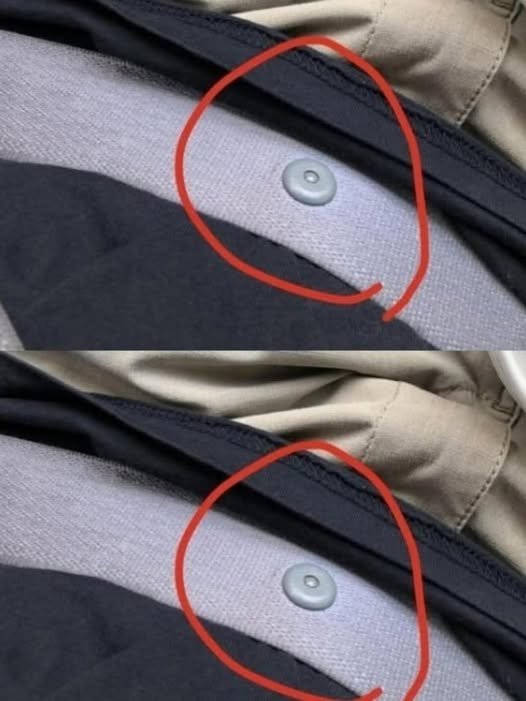
As highlighted by the red circle in the image above, this little stud is easy to ignore. Most people assume it’s just a part of the manufacturing process or a random piece of plastic.
But it’s actually a brilliant piece of engineering with a very specific job. Here is the truth about what that little button does and why your car would be much more annoying to drive without it.
The Reveal: It’s a “Stop Button”
That small plastic circle is officially called a Seat Belt Stop Button (or sometimes a “Buckle Stop” or “Button Stop”).
Its primary purpose is simple but essential: It stops the metal tongue (the buckle part) from sliding all the way down to the bottom of the belt.
Here is why that matters so much:
1. It Keeps the Buckle Within Reach (The “Convenience” Factor)
Imagine if that button didn’t exist. When you unbuckle your seat belt to get out of the car, gravity would take over. The heavy metal tongue would slide all the way down the webbing, landing on the floor of the car or tucking itself all the way down near the seat hinge.
The next time you got in the car, you would have to reach all the way down to the floor or dig into the crack of the seat to fish out the buckle.
The stop button prevents this. It catches the metal tongue at a specific height—usually around chest or shoulder level—so the buckle is always right there, ready for you to grab when you sit down. It’s a “lazy” feature in the best possible way!
2. It Prevents Annoying Noise
Have you ever heard that loud CLACK-CLACK-CLACK sound when a car door is closed or when someone unbuckles a belt?
Without the stop button, the heavy metal tongue would slide all the way down and bang against the plastic trim of the B-pillar (the pillar between the front and back doors) or the metal frame of the car. The stop button cushions this slide and stops the metal from hitting the bottom, keeping the cabin quiet.
3. It Protects Your Car’s Interior
If the metal tongue were allowed to slide freely all the way down every time, it could scratch or damage the plastic trim and the seat mechanism over time. The button acts as a buffer, protecting your car’s interior from wear and tear.
Can You Move It?
In the image above, you can see the button on the webbing. In some older cars or specific seat belt designs, these buttons were actually adjustable! A mechanic could slide them up or down to customize the height of the buckle for the driver (especially helpful for shorter drivers who might struggle to reach a high-hanging buckle, or taller drivers who want it lower).
However, in most modern cars, these buttons are crimped onto the belt at the factory. They are permanent. If you try to pull it off, you’ll likely damage the belt webbing, which is a major safety hazard. Never try to remove or cut this button off.
Summary: Small Feature, Big Impact
It’s amazing how a piece of plastic less than an inch wide can make such a difference in our daily lives.
Without it: You’d be fishing for your seat belt buckle on the floor mat every morning.
With it: The buckle is always hovering right at hand level, ready to go.
So, the next time you buckle up, give a little mental nod to that tiny grey button. It’s working hard to make your drive just a little bit easier!