The Viral Vaseline and Lemon Hack: Can It Really Erase Wrinkles?
Your grandmother might have sworn by this simple Vaseline and lemon mixture to erase wrinkles. We break down the viral recipe, how it works, and the important safety warnings you need to know before trying it.
Introduction
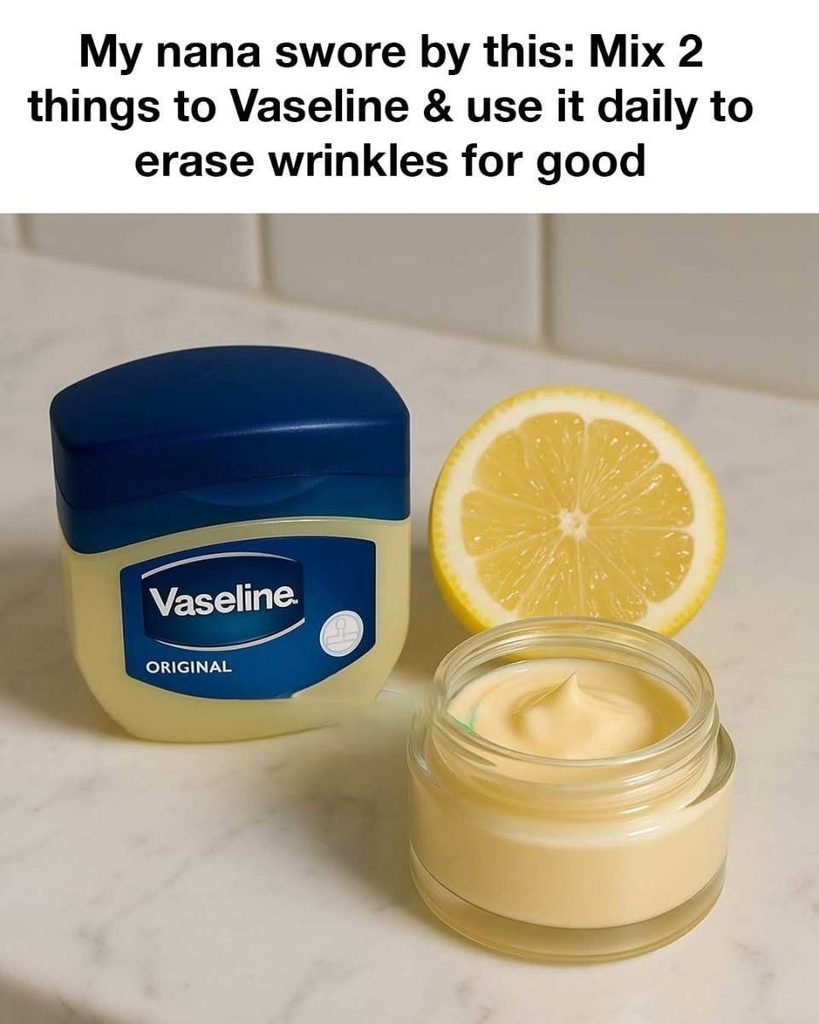
Scroll through social media, and you are bound to see it: a jar of Vaseline, a fresh lemon, and a bold claim that mixing them will “erase wrinkles for good.” Often captioned as a secret passed down from grandmothers (“My nana swore by this…”), this DIY anti-aging hack has taken the internet by storm.
The promise is tempting. Why spend hundreds of dollars on luxury serums when a $3 jar of petroleum jelly and a piece of fruit could do the trick?
But before you raid your kitchen and slather this mixture on your face, it is important to understand what this hack actually does, why it might temporarily improve your skin’s appearance, and the potential risks dermatologists want you to know about.
Here is the truth behind the viral Vaseline and lemon wrinkle remedy.
The “Nana’s Secret” Recipe
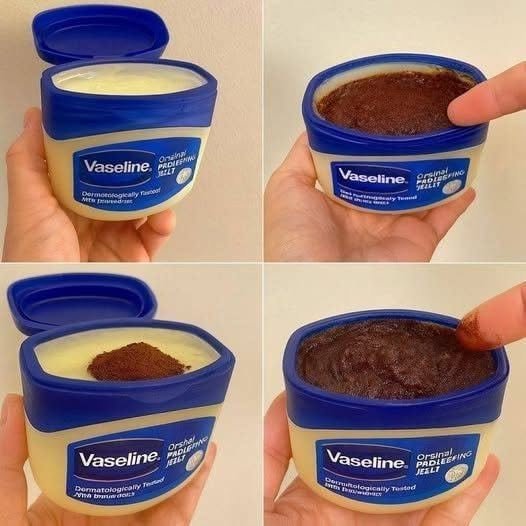
While the image shows just Vaseline and a lemon, the full viral recipe usually involves adding a third ingredient for extra nourishment. Here is the classic mixture:
Ingredients:
1 tablespoon of Vaseline (Petroleum Jelly): The base.
1 teaspoon of fresh Lemon Juice: The active “brightening” agent.
1 capsule of Vitamin E oil (optional but recommended): Puncture a Vitamin E capsule and squeeze the oil in. This adds antioxidant power and helps blend the lemon juice into the thick Vaseline.
Instructions:
Mix: In a small, clean glass jar, combine the Vaseline, lemon juice, and Vitamin E oil.
Blend: Stir vigorously until the mixture becomes a smooth, creamy consistency. (If it separates, that’s normal—just stir before each use).
Apply: Using a clean finger, apply a thin layer to clean skin, focusing on areas with fine lines (like crow’s feet or forehead).
Wait: Leave it on for 10–15 minutes, or overnight if your skin tolerates it.
Rinse: Wash off with a gentle cleanser and warm water.
Why Do People Swear By It?
If you try this, you might notice your skin looks smoother and brighter the next morning. Here is the science behind why:
1. Vaseline is the Ultimate Moisture Lock
Vaseline (petroleum jelly) is an occlusive. It doesn’t add moisture to the skin, but it creates a physical barrier that prevents water loss. When your skin is deeply hydrated, it plumps up, making fine lines and wrinkles look significantly less visible—temporarily.
2. Lemon Juice is a Natural AHA
Lemon juice contains citric acid, which is a type of Alpha Hydroxy Acid (AHA). AHAs are chemical exfoliants that help dissolve dead skin cells on the surface. By sloughing off dull, dead skin, lemon juice can reveal brighter, fresher skin underneath, giving a “glow” that mimics a more youthful complexion.
3. Vitamin C (Theoretically)
Lemons are packed with Vitamin C, a powerhouse antioxidant known for boosting collagen production. However, the Vitamin C in fresh lemon juice is highly unstable and degrades quickly when exposed to air and light.
⚠️ The Reality Check: Why Dermatologists Warn Against It
While this hack might offer a temporary glow, using it daily to “erase wrinkles for good” is a myth. In fact, dermatologists often advise against putting fresh lemon juice on your face. Here is why:
1. It Disrupts Your Skin Barrier
Your skin’s natural pH is slightly acidic (around 4.5 to 5.5). Lemon juice is highly acidic (pH around 2). Applying it directly to your face can strip your skin barrier, leading to redness, irritation, dryness, and even breakouts.
2. Phytophotodermatitis (The “Margarita Burn”)
This is the biggest risk. Lemons contain compounds called psoralens, which make your skin extremely sensitive to sunlight. If you apply lemon juice to your face and then go out in the sun, it can cause a severe chemical burn, blistering, and long-lasting hyperpigmentation (dark spots)—the exact opposite of what you want for anti-aging!
3. Vaseline Doesn’t Penetrate
While Vaseline is great for sealing in moisture, it doesn’t contain active anti-aging ingredients like retinol or peptides. It cannot rebuild collagen or structurally erase wrinkles.
How to Use It Safely (If You Want To Try It)
If you are determined to try your nana’s secret, follow these safety rules to avoid damaging your skin:
Nighttime Only: Never use this mixture during the day. The lemon juice makes your skin photosensitive.
Patch Test First: Apply a tiny amount behind your ear and wait 24 hours to check for severe irritation.
Dilute It: Don’t use straight lemon juice. Mix it well with the Vaseline to buffer the acidity.
Wear Sunscreen: The next morning, you must apply a broad-spectrum SPF 30+ sunscreen to protect your sensitized skin.
Listen to Your Skin: If it stings, burns, or turns red, wash it off immediately.
Better, Safer Alternatives for Wrinkles
If you want real, long-term wrinkle reduction without the risk of chemical burns, consider these dermatologist-approved alternatives:
Retinol/Retinoids: The gold standard for anti-aging. It actually stimulates collagen production.
Formulated Vitamin C Serums: These use stable forms of Vitamin C (like L-ascorbic acid) at a safe pH level, giving you the brightening benefits of lemon without the irritation.
Hyaluronic Acid: Provides intense hydration to plump fine lines, similar to the Vaseline effect but with a lighter texture.
Peptides: Help support the skin’s structure and firmness over time.
Conclusion
Your nana’s Vaseline and lemon hack is a classic example of old-school resourcefulness. While the Vaseline will deeply hydrate and temporarily plump your skin, and the lemon might offer a quick brightening effect, it is not a miracle cure that will “erase wrinkles for good.”
Use it with caution, respect the power of citrus acid, and always prioritize sun protection. For long-term anti-aging results, modern skincare science offers safer and more effective solutions.
Disclaimer: This article is for informational and educational purposes only. It does not constitute professional dermatological or medical advice. Always patch-test new DIY skincare remedies and consult a dermatologist if you have sensitive skin or concerns about aging.