10 Warning Signs of Clogged Arteries You Shouldn’t Ignore
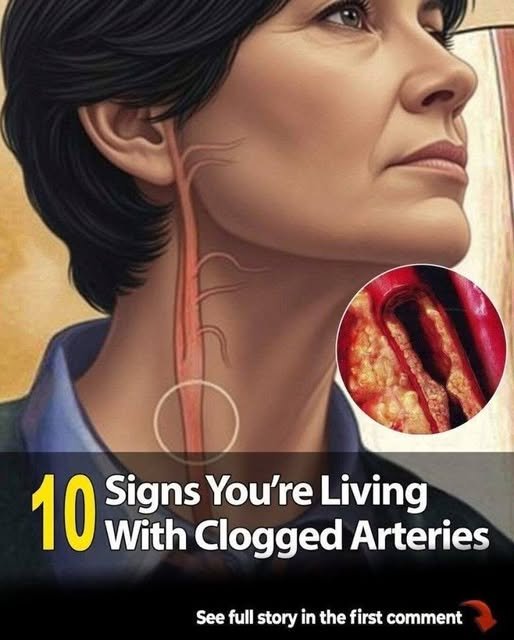
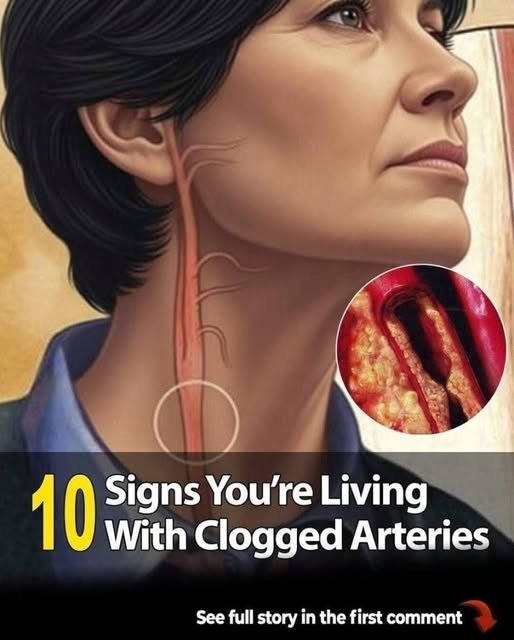
The image above shows a woman with an illustration of the carotid artery in her neck, alongside a close-up of a narrowed artery filled with plaque. The text reads, “10 Signs You’re Living With Clogged Arteries.”
Clogged arteries, medically known as atherosclerosis, occur when plaque—made up of fat, cholesterol, calcium, and other substances—builds up inside the arterial walls. This narrowing restricts blood flow and can lead to serious cardiovascular events, including heart attack and stroke. Recognizing the warning signs is crucial for early intervention.
10 Signs of Clogged Arteries
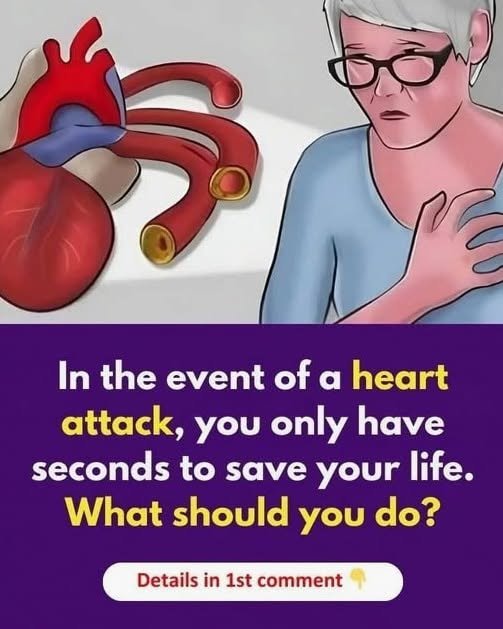
1. Chest Pain or Angina Chest pain, pressure, or discomfort is one of the most common signs of blocked arteries in the heart. This pain may feel like a heavy weight on the chest and can radiate to the arms, neck, jaw, or back.
2. Shortness of Breath When the heart cannot pump enough blood to meet the body’s needs, it can lead to shortness of breath, especially during physical activity.
3. Fatigue Unexplained fatigue or weakness, particularly in the legs or arms, can indicate reduced blood flow to those areas.
4. Pain in the Legs While Walking (Claudication) Narrowed arteries in the legs can cause cramping or pain while walking, which typically subsides with rest. This is a sign of peripheral artery disease (PAD).
5. Cold Extremities Reduced blood flow can cause the hands and feet to feel unusually cold, even in warm environments.
6. Numbness or Weakness A sudden onset of numbness or weakness in the face, arm, or leg—especially on one side of the body—can be a sign of a stroke caused by a blocked artery in the brain.
7. Difficulty Speaking or Understanding Speech Slurred speech or trouble understanding what others are saying can also indicate a stroke.
8. Vision Problems Sudden blurred vision, double vision, or loss of vision in one eye can be a warning sign of a blocked artery supplying the eye or brain.
9. Dizziness or Loss of Balance Feeling dizzy or having trouble with coordination and balance can be related to reduced blood flow to the brain.
10. High Blood Pressure While not a symptom itself, persistent high blood pressure is a major risk factor for atherosclerosis and often accompanies clogged arteries.
What to Do If You Notice These Signs
If you experience any of these symptoms, especially sudden or severe ones, seek medical attention immediately. A healthcare professional can perform tests such as blood tests, ultrasound, CT scans, or angiography to assess your arteries and determine the best course of action.
Lifestyle changes, including a heart-healthy diet, regular exercise, smoking cessation, and managing conditions like diabetes and high blood pressure, can help prevent and slow the progression of atherosclerosis.
Conclusion
Clogged arteries often develop silently over many years. Recognizing the warning signs and seeking timely medical care can make a significant difference in preventing serious cardiovascular events.