Magnesium Interactions: What to Know Before Taking Supplements
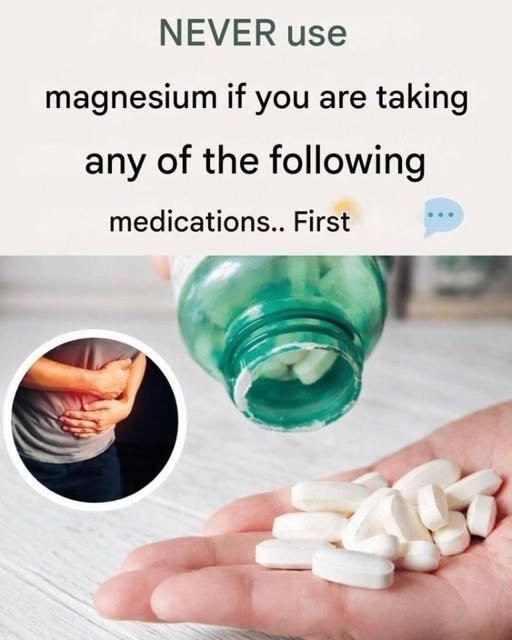
Magnesium is an essential mineral involved in hundreds of bodily functions, including muscle and nerve function, blood sugar regulation, and bone health. While it is available in many foods, some people take magnesium supplements to address deficiencies or support specific health goals. However, a recent social media post warns that magnesium should not be used if you are taking certain medications.
While the post does not specify which medications are of concern, it is true that magnesium supplements can interact with several common classes of drugs. Understanding these potential interactions is important for anyone considering supplementation.
Known Drug Interactions with Magnesium
Magnesium can interfere with the absorption or effectiveness of certain medications. Some of the most commonly cited interactions include:
Antibiotics: Magnesium can bind to certain antibiotics, such as tetracyclines and fluoroquinolones, reducing their absorption and effectiveness.
Bisphosphonates: These medications, used to treat osteoporosis, can also be affected by magnesium, which may reduce their absorption.
Diuretics: Some diuretics can increase magnesium loss, while others may cause magnesium retention, potentially leading to imbalances.
Proton Pump Inhibitors (PPIs): Long-term use of PPIs for acid reflux has been associated with low magnesium levels.
Thyroid Medications: Magnesium can interfere with the absorption of thyroid hormone replacement medications.
The Importance of Medical Guidance
The interaction between magnesium and medications depends on the specific drug, the dosage, and the timing of when each is taken. In many cases, separating the doses by several hours can minimize the risk of interaction.
It is essential to consult with a healthcare professional before starting any new supplement, especially if you are taking prescription medications. They can advise you on whether magnesium is appropriate for you and how to take it safely.
A Balanced Approach
Magnesium is an important nutrient, and many people do not get enough from their diet alone. Foods rich in magnesium include leafy green vegetables, nuts, seeds, and whole grains. For most people, obtaining magnesium through food is safe and does not pose the same interaction risks as high-dose supplements.
If you are considering magnesium supplements, discuss it with your doctor or pharmacist. They can help you determine if supplementation is necessary and how to avoid potential interactions with your current medications.
Conclusion
While magnesium offers many health benefits, it is not appropriate for everyone, particularly those taking certain medications. Always prioritize professional medical advice when making decisions about supplements and medications.