The Rare 1943 Copper Lincoln Penny: How to Spot a Coin Worth Up to $336,000
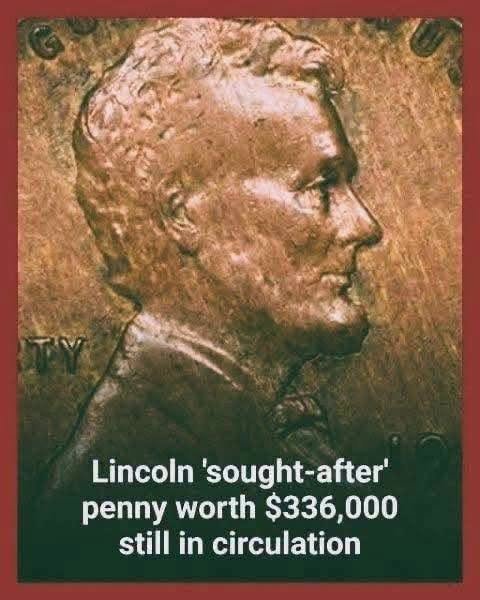
Imagine finding a single penny in your change that could be worth more than a new car. It sounds impossible, but it is true. One of the most famous and sought-after error coins in American history is the 1943 Copper Lincoln Cent. While millions of pennies were made that year, almost all of them were struck in steel. A tiny number, however, were accidentally struck in copper, and those rare mistakes can now sell for hundreds of thousands of dollars.
Why Is the 1943 Copper Penny So Rare?
The story begins during World War II. Copper was a critical resource for manufacturing ammunition and other military equipment. To conserve copper for the war effort, the U.S. Mint changed the composition of the penny in 1943 to zinc-coated steel . These steel pennies had a grayish, silvery color.
However, a small number of copper blanks from 1942 were left in the minting presses. When production of the 1943 steel pennies began, these leftover copper blanks were struck by mistake, creating a handful of copper pennies dated 1943 . It is estimated that only about 40 of these copper pennies were ever produced, and today, only around 20 to 27 are known to still exist .
How Much Is a 1943 Copper Penny Worth?
Because they are so rare, these coins are incredibly valuable to collectors. The value depends heavily on the coin’s condition, but even circulated examples can fetch a fortune. According to auction records, a 1943 copper penny graded in circulated condition (AU50) sold for **$336,000** in 2022 . Other examples have sold for well over $100,000, and one exceptional coin even reached over $1 million at auction .
How to Tell If You Have a Real 1943 Copper Penny
Because these coins are so valuable, there are many fakes in circulation. If you think you have found one, here are three simple ways to check if it is real:
Use a Magnet: This is the easiest test. A genuine 1943 steel penny is magnetic because it contains steel. A genuine 1943 copper penny is not magnetic. If your 1943 penny sticks to a magnet, it is a common steel penny, not the rare copper one.
Check the Weight: A real copper penny from 1943 weighs about 3.11 grams. The standard steel penny from that year weighs only about 2.7 grams. A precise digital scale can help you tell the difference.
Look at the Color: A genuine copper penny will have a reddish-brown or bronze color. A steel penny will look gray or silver .
Watch Out for Fakes
Scammers often try to pass off fake coins. A common trick is to coat a 1943 steel penny with copper, but these fakes will still stick to a magnet. Another trick is to alter the date on a copper penny from 1948 by filing down part of the “8” to make it look like a “3” . If you ever find a coin you believe is genuine, it is always best to have it authenticated by a professional grading service like PCGS or NGC before trying to sell it .