If You Drool While You Sleep, It Means That You Are… Here’s What It Really Means
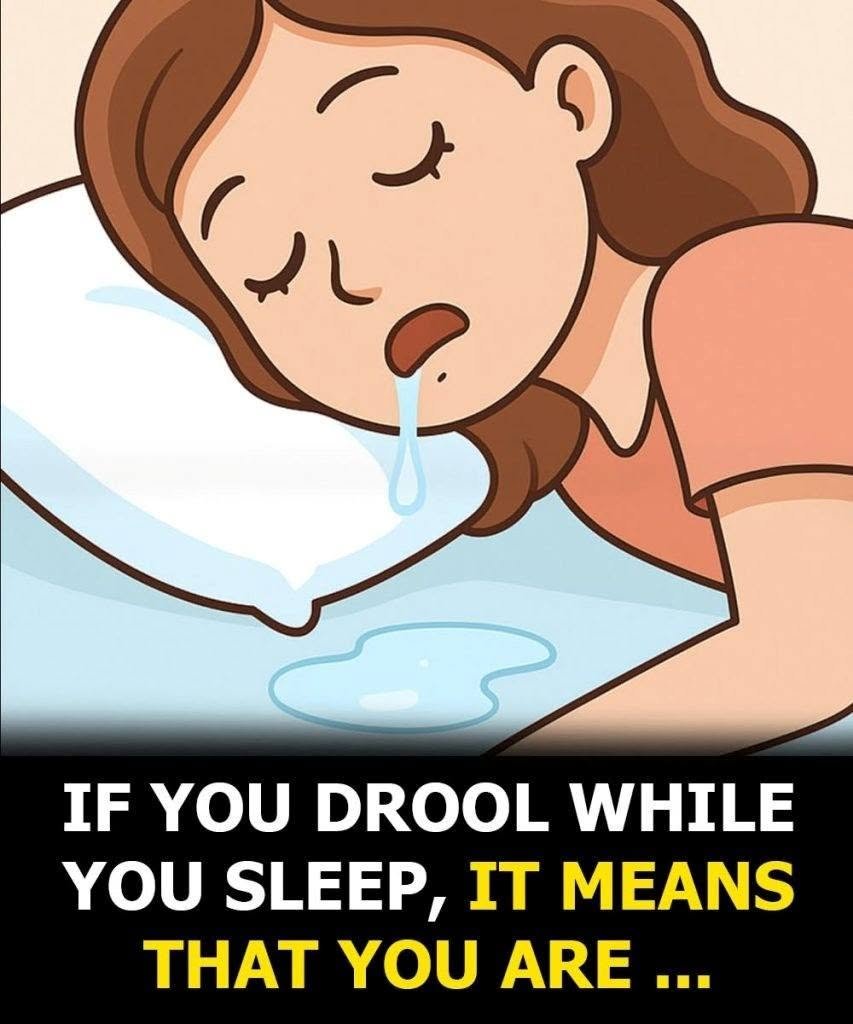
Waking up with a wet pillow or drool on your face is something most people experience occasionally. It’s usually harmless — a sign that you were sleeping deeply or lying in a certain position.
But if it happens often, it might be your body’s way of signaling something more. Here are the most common reasons why you drool in your sleep — and when you should pay attention. 👇
Disclaimer: This post is for informational purposes only and is not a substitute for professional medical advice. If you are experiencing persistent drooling, consult a qualified healthcare provider.
🔬 Common Causes of Drooling During Sleep
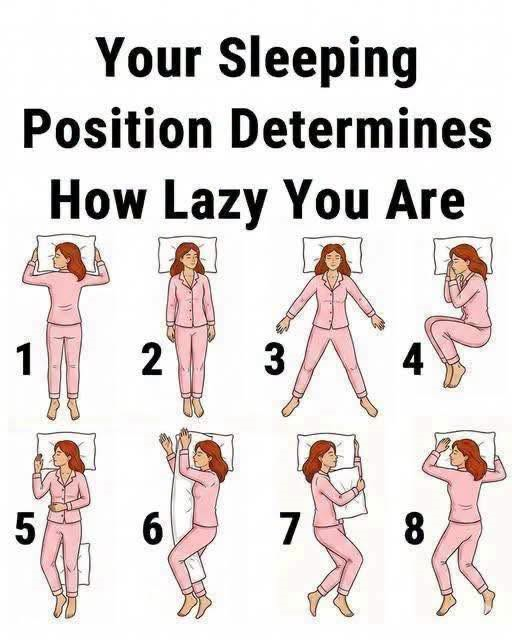
1. Sleeping Position If you sleep on your side or stomach, gravity can cause saliva to pool and leak out of your mouth. This is the most common and harmless cause.
2. Mouth Breathing If you have a cold, allergies, or a deviated septum, you may breathe through your mouth at night. This can cause drooling.
3. Sleep Apnea Sleep apnea is a serious sleep disorder where breathing repeatedly stops and starts. People with sleep apnea often sleep with their mouths open, leading to drooling.
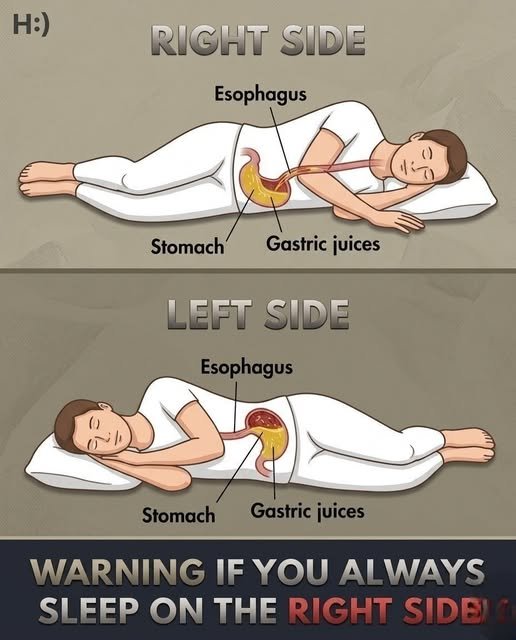
4. Acid Reflux (GERD) Acid reflux can cause stomach acid to back up into your throat, triggering excessive saliva production.
5. Medications Some medications can increase saliva production or affect swallowing.
6. Neurological Disorders Conditions like Parkinson’s disease, multiple sclerosis (MS), and stroke can affect the muscles involved in swallowing.
7. Enlarged Tonsils or Adenoids Enlarged tonsils or adenoids can block the airway, forcing you to breathe through your mouth.
8. Bell’s Palsy Bell’s Palsy is a condition that causes temporary weakness or paralysis of the facial muscles, which can lead to drooling.
The Verdict: Occasional drooling is normal. But if it happens frequently or is accompanied by other symptoms, it’s worth talking to a doctor.
❓ Frequently Asked Questions
Is drooling during sleep normal? Occasional drooling is normal, especially if you sleep on your side or stomach. Frequent drooling may indicate an underlying issue.
What diseases cause drooling during sleep? Sleep apnea, acid reflux, neurological disorders, enlarged tonsils, sinus infections, and Bell’s Palsy are common causes.
Can drooling be a sign of a stroke? Yes — if drooling is accompanied by facial drooping, weakness, or difficulty speaking, seek emergency care immediately.
Does sleep apnea cause drooling? Yes — people with sleep apnea often sleep with their mouths open, leading to drooling.
Can allergies cause drooling? Yes — nasal congestion from allergies can force you to breathe through your mouth, leading to drooling.
When should I see a doctor? If drooling is frequent, persistent, or accompanied by other symptoms like snoring, fatigue, or difficulty swallowing, see a doctor.
Can medications cause drooling? Yes — some medications can increase saliva production or affect swallowing.
How can I stop drooling at night? Change your sleep position, treat congestion, elevate your head, and talk to your doctor if it persists.