You Will Never Need Makeup Again? My Grandma Only Mixes 2 Things and Has Glass Skin, No Wrinkles
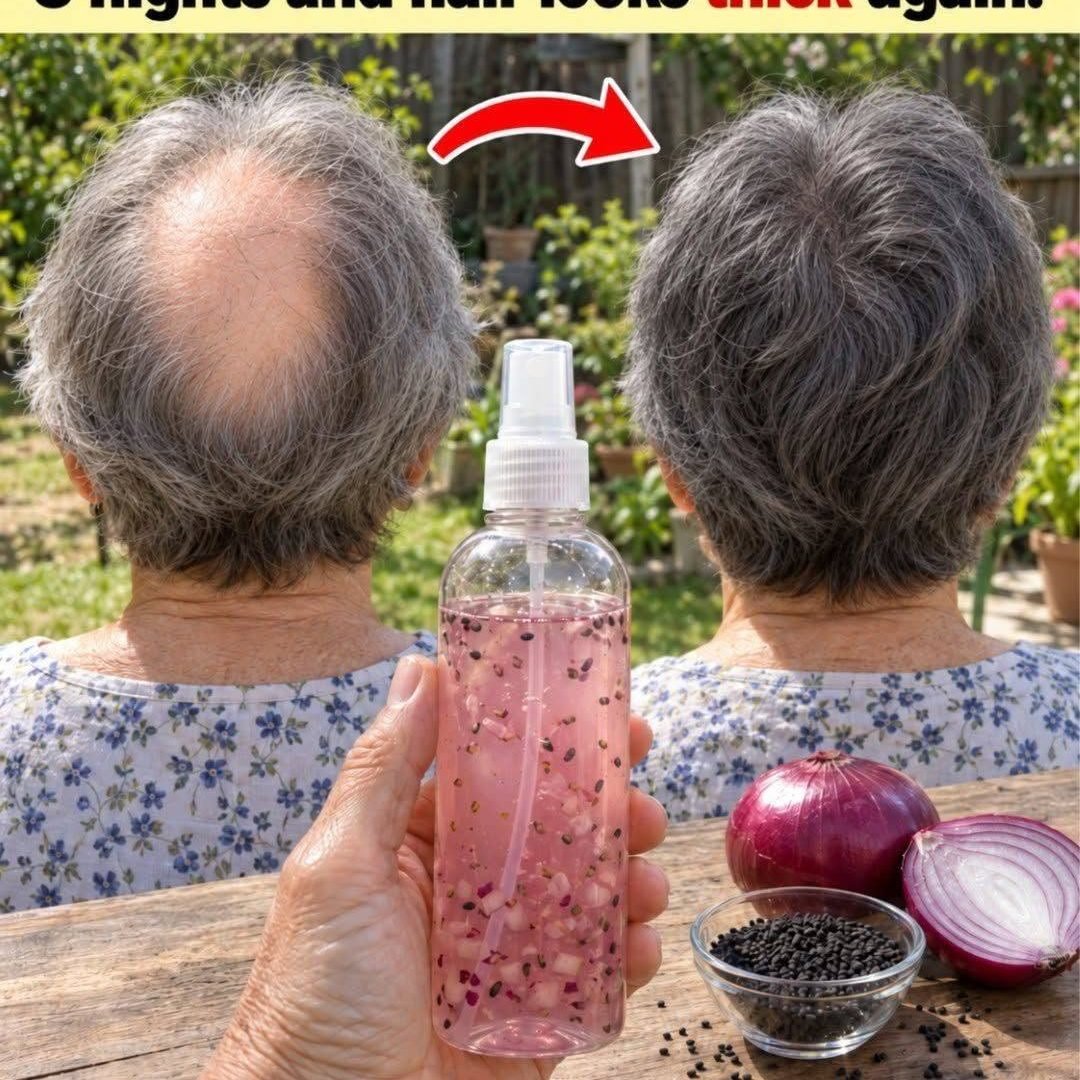
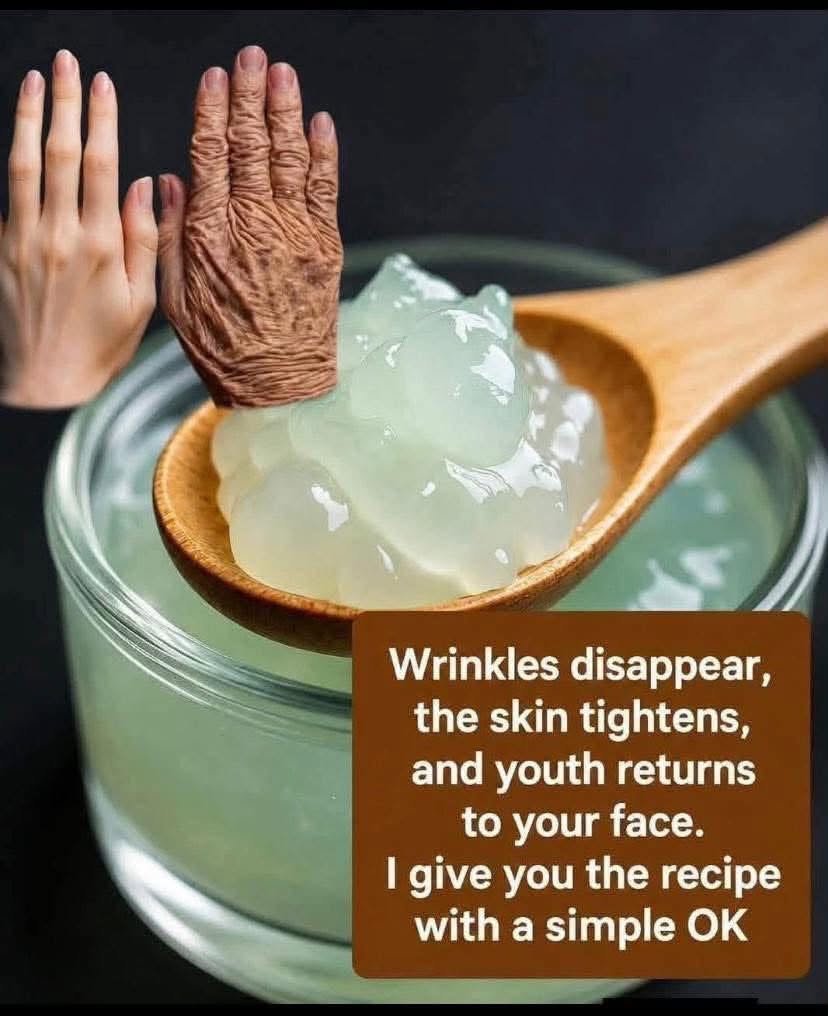
You’ve seen the viral posts: two bowls of white ingredients, a smiling older woman with glowing skin, and a bold claim that mixing just two things will give you “glass skin” and erase wrinkles forever.
It sounds like a miracle. But before you type “OK,” it’s important to understand what these two ingredients actually are — and what they can realistically do for your skin.
Disclaimer: This post is for informational purposes only and is not a substitute for professional dermatological advice. Always consult a dermatologist before trying new skincare treatments.
🔬 The Truth Behind the Claim
1. No Topical Mixture Erases Wrinkles Forever Wrinkles are caused by a loss of collagen and elastin, genetics, and years of sun damage. No cream, gel, or homemade mixture can erase them permanently. The dramatic before-and-after photos in viral posts are often edited or use different lighting.
2. What Are the Two Ingredients? The image shows two white substances — likely baking soda and coconut oil, or sugar and honey. Here’s what they actually do:
Baking Soda: A mild abrasive that can exfoliate the skin. However, it is too alkaline for facial skin and can disrupt the skin barrier, causing irritation and dryness.
Coconut Oil: A rich moisturizer that can hydrate and soothe the skin. However, it is comedogenic (pore-clogging) for some people.
Sugar: A natural exfoliant that can remove dead skin cells.
Honey: A humectant and antibacterial agent that soothes and moisturizes.
3. What They Can Do
Exfoliate: Sugar or baking soda can temporarily smooth the skin.
Moisturize: Coconut oil and honey can hydrate and plump the skin.
Temporarily brighten: Exfoliation can reveal fresher skin underneath.
4. What They Cannot Do
Erase deep wrinkles: No topical mixture can replace lost collagen.
Replace makeup: While good skincare can improve your complexion, it doesn’t replace makeup if you want coverage.
Work overnight: The results are temporary and require consistent use.
The Verdict: These ingredients can be part of a natural skincare routine, but they are not a miracle cure for wrinkles. Baking soda, in particular, should be used with caution on the face.
🛒 Ingredients
1 tablespoon honey 🍯
1 teaspoon sugar (or baking soda) 🧂
Optional: 1 teaspoon coconut oil 🥥
👩🍳 Instructions
Mix the honey and sugar in a small bowl until well combined.
Cleanse your face and pat dry.
Apply the mixture to your face in gentle circular motions.
Leave it on for 10–15 minutes.
Rinse with lukewarm water and pat dry.
Apply moisturizer and sunscreen.
Use 1–2 times per week for best results.
Pro Tip: Always do a patch test on your inner arm before applying to your face. Be gentle — scrubbing too hard can irritate the skin.
❓ Frequently Asked Questions
Does this recipe really erase wrinkles? No — no topical mixture can erase wrinkles. It can exfoliate and moisturize, which may temporarily improve the appearance of fine lines.
Is baking soda safe for the face? No — baking soda is too alkaline and abrasive for facial skin. It can damage the skin barrier. Use sugar instead.
Is honey good for the skin? Yes — honey is a natural humectant and antibacterial agent. It soothes and moisturizes the skin.
How long does it take to see results? You may notice smoother skin after one use, but the results are temporary. For lasting results, use sunscreen and proven skincare ingredients.
What actually works for wrinkles? Sunscreen, retinoids, vitamin C, alpha hydroxy acids, and professional treatments like lasers and fillers.
Why do these viral posts go online? They are designed to generate clicks and engagement. They often use edited photos and exaggerated claims.
Are the before-and-after photos real? They are often edited or use different lighting to exaggerate results.
Can I use this recipe every day? No — 1–2 times per week is sufficient. Overuse can irritate the skin.
What if I have sensitive skin? Do a patch test first. If you experience irritation, stop using it.
When should I see a dermatologist? If you’re concerned about wrinkles or skin aging, see a dermatologist.