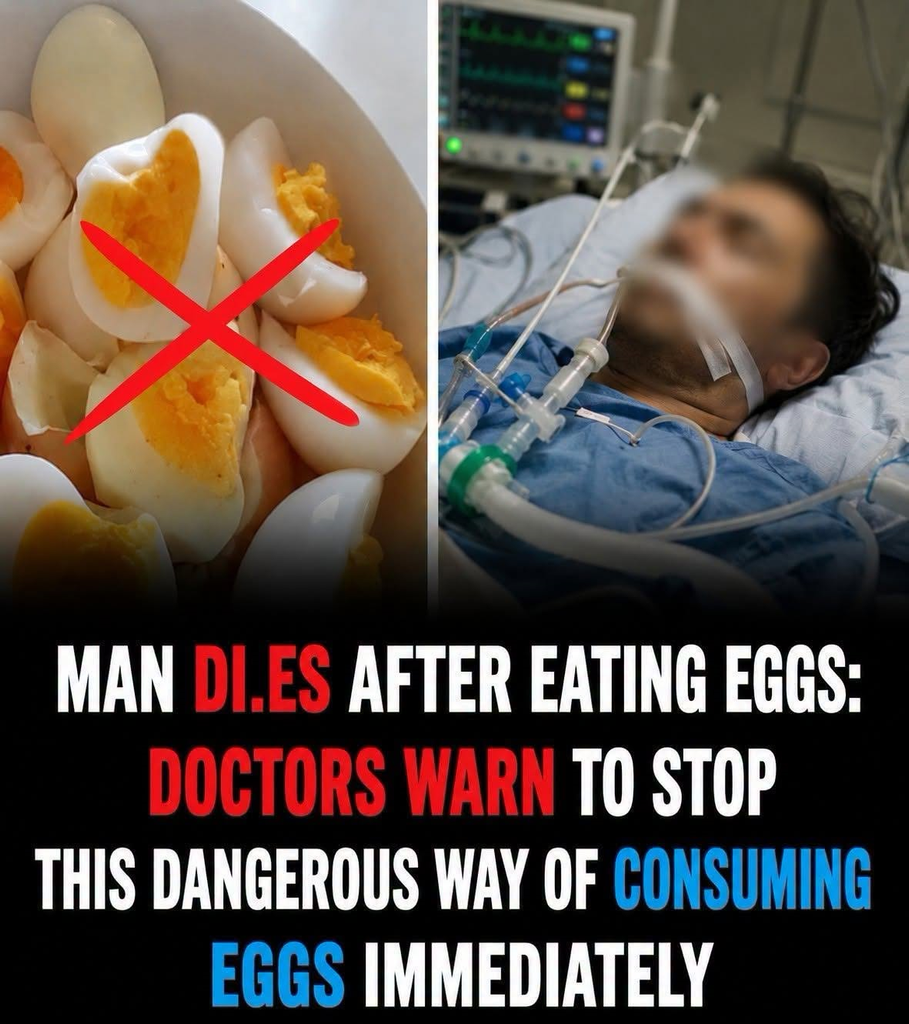
Man Dies After Eating Eggs: Doctors Warn to Stop This Dangerous Way of Consuming Eggs Immediately
Viral posts often claim that a person has died after eating eggs, accompanied by a stark warning to stop a “dangerous” consumption method immediately. It’s a shocking headline designed to make you pause and worry.
However, there is no credible medical evidence to support the claim that eating eggs, in any form, causes sudden death in otherwise healthy individuals. Eggs are a nutrient-dense food that can be part of a healthy diet. The real danger lies in a specific, avoidable mistake: foodborne illness from improper handling and storage.
Here is what actually matters when it comes to consuming eggs safely. 👇
Disclaimer: This post is for informational purposes only and is not a substitute for professional medical advice.
🔬 The Real Danger: Salmonella and Food Safety
If a person becomes severely ill after eating eggs, the culprit is typically Salmonella or another foodborne bacteria. This can happen if eggs are:
Raw or undercooked: Eating raw cookie dough or soft-boiled eggs can expose you to bacteria.
Contaminated in the shell: Even clean-looking eggs can carry bacteria. This is why proper storage and cooking are essential.
Left out at room temperature: Bacteria multiply rapidly between 40°F and 140°F.
Severe complications can occur in vulnerable groups: For people with weakened immune systems, older adults, infants, or pregnant women, a Salmonella infection can lead to severe dehydration or invasive infections that require hospitalization. This is a dangerous and real risk, but it is preventable.
The “dangerous way of consuming eggs” is not a specific food combination — it’s eating them raw or undercooked.
👩🍳 How to Consume Eggs Safely
The safest way to enjoy eggs is to cook them thoroughly until both the whites and yolks are firm.
Safe Handling Tips:
Refrigerate: Store eggs in the fridge at 40°F (4°C) or below.
Wash Hands: Wash your hands and any surfaces after handling raw eggs.
Cook Thoroughly: Cook eggs until the yolk and white are firm. Avoid recipes that use raw eggs.
Consume Promptly: Eat cooked eggs within 2 hours, or refrigerate leftovers immediately.
Check for Cracks: Discard eggs with cracked or dirty shells.
Pro Tip: If you enjoy recipes with raw eggs (like homemade mayonnaise or eggnog), use pasteurized eggs to eliminate the risk of Salmonella.
❓ Frequently Asked Questions
Do eggs cause immediate death? No. There is no medical evidence that eating eggs causes immediate death. The risk comes from foodborne illness caused by improper handling or undercooking.
What is the “dangerous way” to eat eggs? Eating raw or undercooked eggs can expose you to Salmonella and other bacteria. Cooking eggs thoroughly kills these bacteria.
Who is most at risk from raw eggs? Pregnant women, older adults, infants, and people with weakened immune systems are at higher risk for severe illness.
Can I get sick from eating raw cookie dough? Yes — raw cookie dough often contains raw eggs, which can carry Salmonella. It’s safer to use pasteurized eggs or bake the dough first.
How do I know if an egg is safe to eat? Fresh eggs with clean, uncracked shells stored in the refrigerator are safe. Always cook them thoroughly.
What are the symptoms of Salmonella infection? Symptoms include diarrhea, fever, stomach cramps, and vomiting, typically starting 6 hours to 6 days after infection.
When should I see a doctor? If you experience severe symptoms like high fever, bloody diarrhea, or prolonged vomiting, seek medical attention.
Does cooking eggs destroy all bacteria? Yes — cooking eggs until the whites and yolks are firm kills Salmonella and other harmful bacteria.
Are raw eggs safe for healthy adults? While some healthy adults may not get sick, the risk is still present. Pasteurized eggs are a safer option for raw consumption.