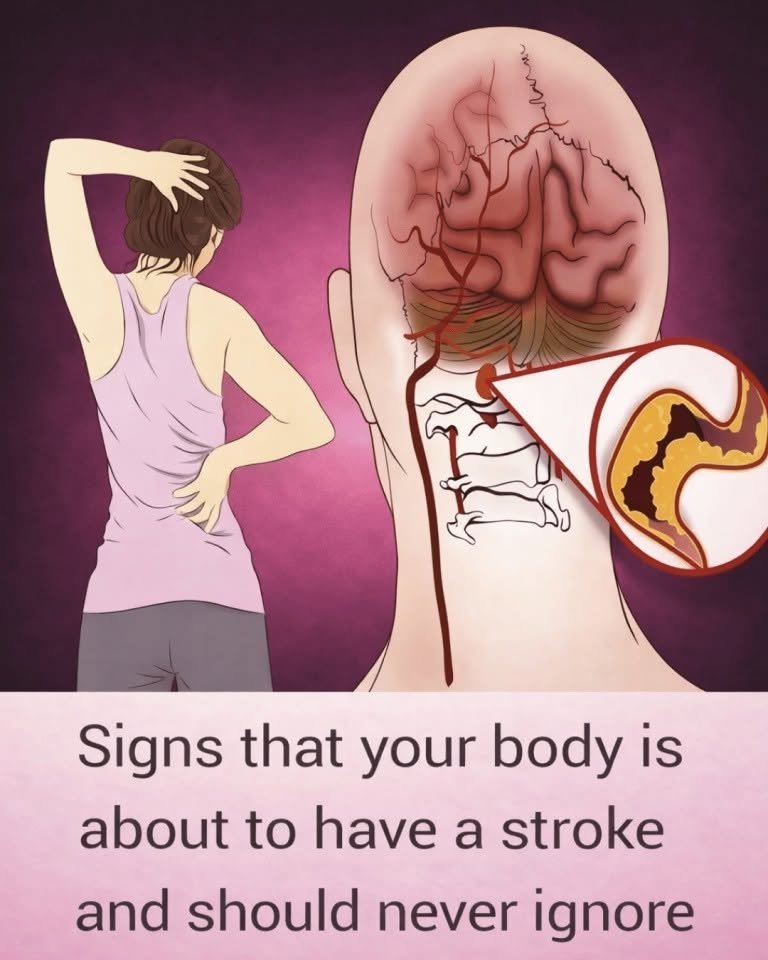
10 Early Warning Signs of a Stroke Everyone Should Know to Take Prompt Action
A stroke is a medical emergency that occurs when blood flow to a part of the brain is cut off. Every minute that passes without treatment, brain cells are lost. That is why recognizing the early warning signs is so important. Some people experience symptoms that come and go, known as a transient ischemic attack or mini-stroke, which is a serious warning that a major stroke could follow. Here are ten early warning signs that should never be ignored.
1. Sudden Weakness or Numbness
One of the most common signs of a stroke is sudden weakness or numbness on one side of the body. This can affect the face, arm, or leg. You might notice that one side of your face droops when you try to smile, or that you cannot lift one arm. This asymmetry is a classic warning sign.
2. Difficulty Speaking or Understanding
A stroke can cause trouble speaking or understanding speech. You may slur your words, have difficulty finding the right words, or feel like your thoughts are tangled. You might also struggle to understand what others are saying to you. This can be frightening and confusing, but it is a critical sign that the brain is not getting enough blood.
3. Sudden Vision Problems
A stroke can cause sudden vision changes. You might experience blurred vision, double vision, or loss of vision in one or both eyes. Some people describe it as a curtain coming down over their field of vision. If you notice any sudden changes in your eyesight, especially in just one eye, it is important to seek medical attention immediately.
4. Dizziness or Loss of Balance
Sudden dizziness, vertigo, or loss of balance can also be a sign of a stroke. You might feel like the room is spinning, or you may have trouble walking in a straight line. This can be especially dangerous for older adults, as it increases the risk of falls and injuries.
5. Severe Headache
A sudden, severe headache can sometimes indicate a stroke. This is more often associated with a hemorrhagic stroke, but it can occur with other types as well. If you experience a headache that feels different from any you have had before, especially if it comes on suddenly, it is worth getting checked out.
6. Confusion or Trouble Understanding
Sudden confusion or trouble understanding what is happening around you can be a sign of a stroke. You may feel disoriented or have difficulty following a conversation. This can be mistaken for fatigue or stress, but it should not be ignored.
7. Trouble Walking
Difficulty walking, including stumbling, loss of balance, or coordination problems, can be a sign of a stroke. You may feel unsteady on your feet or have trouble moving your legs.
8. Numbness in the Face
Numbness or drooping in the face is a classic sign of a stroke. You may notice that one side of your mouth does not move when you smile, or that you cannot feel one side of your face.
9. Weakness in the Arms
Sudden weakness in one or both arms is another common sign. You may find it difficult to raise your arms or hold objects. This can be a sign that the brain is not sending signals to the muscles properly.
10. TIA (Transient Ischemic Attack)
A transient ischemic attack, or TIA, is often called a mini-stroke. It causes the same symptoms as a stroke, but they usually resolve within minutes to hours. However, a TIA is a serious warning sign that a major stroke may be imminent. About one in three people who have a TIA will go on to have a full stroke, often within a year. Seeking treatment right away can dramatically reduce that risk.
What to Do If You Notice These Signs
If you or someone you love is experiencing any of these symptoms, do not wait. Call emergency services immediately. Note the time when the symptoms started, as this information is important for doctors. Do not try to drive to the hospital yourself. Once at the hospital, doctors can run tests to determine the cause and recommend treatment to prevent a future stroke.
Final Thoughts
A stroke is a medical emergency, and every second counts. By recognizing the early warning signs and acting quickly, you can protect your health and the health of your loved ones. If you have any concerns about your risk factors, talk to your doctor. They can help you manage conditions like high blood pressure, high cholesterol, and diabetes, which are all major contributors to stroke risk.