The Tiny Insect on Your Son’s Hair: Identification and Steps to Take
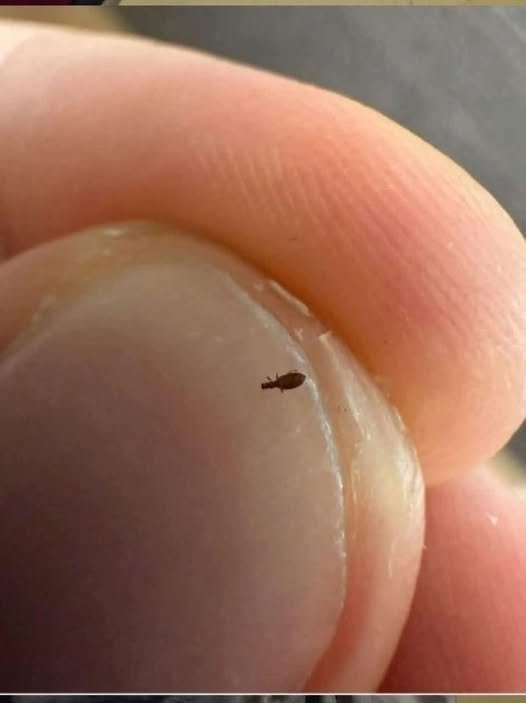
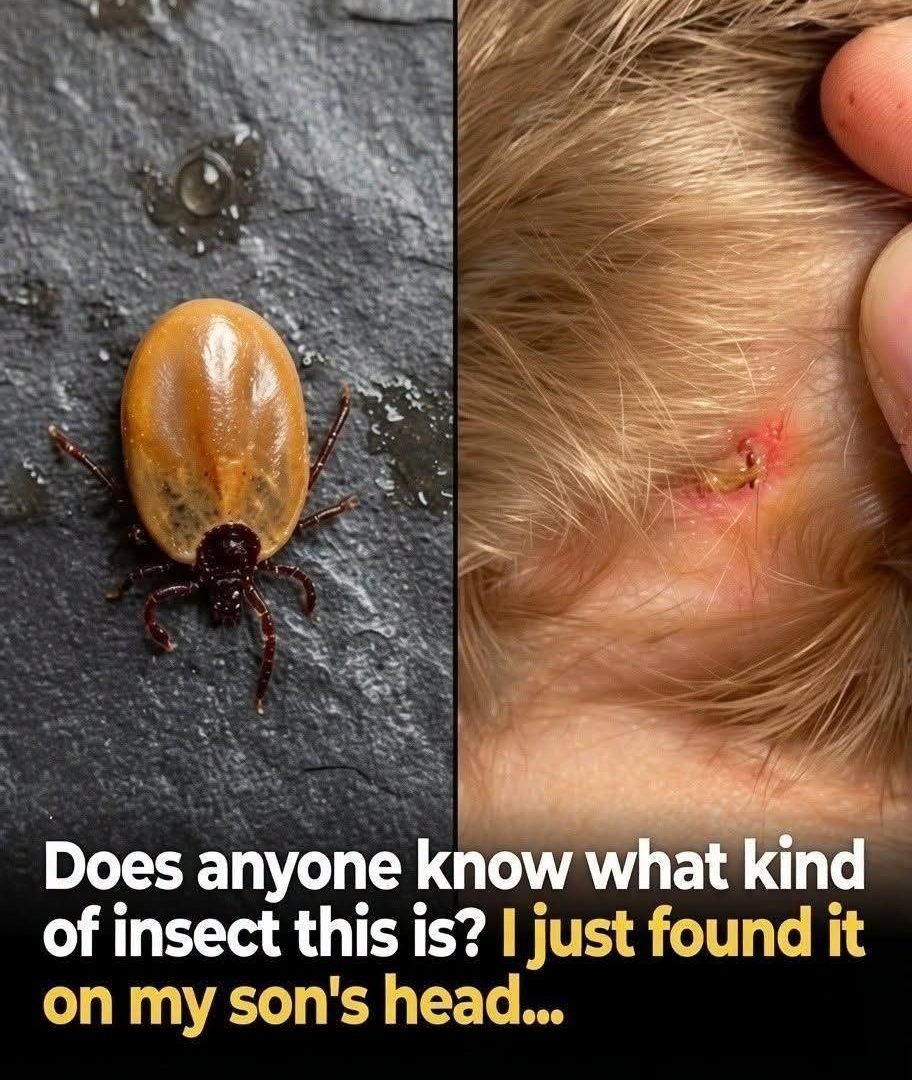
Finding a small insect on your child’s hair can be an alarming experience. The photo you shared shows a tiny, dark, elongated bug that appears to have been caught between your fingers. While it is difficult to make a definitive identification from a single image, the description and appearance strongly suggest this could be a head louse or possibly a flea.
What This Insect Could Be
Head Lice: Head lice are small, wingless insects that live on the human scalp and feed on blood. They are typically tan, gray, or brown and grow to about the size of a sesame seed (2–3 millimeters) . They cannot fly or jump; they spread by crawling from one head to another through direct head-to-head contact, which is very common among children .
Fleas: Fleas are also small, wingless, and dark red or brown. They have large hind legs for jumping and move much more quickly than lice . Fleas usually do not make their home in human hair. However, if you have pets with fleas, they can bite humans and may be found on the body temporarily .
Key Things to Check
Since you found this insect, here are the most important things to look for to determine if there is a lice infestation:
Check for Nits (Eggs): Head lice lay eggs (nits) that are firmly cemented to hair shafts, usually within 4 to 6 millimeters of the scalp. They look like tiny white or yellowish oval specks and cannot be easily brushed off like dandruff . Check especially behind the ears and at the back of the neck .
Look for Crawling Lice: Live lice are fast and avoid light, making them hard to spot. Wetting the hair with conditioner and using a fine-tooth nit comb can make it easier to find them .
Check for Itching or Sores: Itching is the most common symptom, though it can take 4 to 6 weeks to develop after a first infestation. Scratching can lead to small red bumps or sores on the scalp .
What to Do Next
If you find live lice or nits, here are the recommended steps:
Treat with Medication: Use an over-the-counter lice treatment (shampoo or lotion) that contains ingredients like permethrin or dimethicone. Follow the instructions carefully .
Comb Out Nits: After treatment, use a fine-tooth nit comb to remove dead lice and eggs. Do this every 2–3 days for 2–3 weeks to ensure all nits are gone .
Check Everyone: Check all family members and treat anyone who has live lice on the same day .
Clean the Environment: Wash bedding, hats, and clothing in hot water and dry on high heat. Soak combs and brushes in hot water. Vacuum carpets and furniture .
Notify the School: Tell your child’s school so other parents can check their children .
When to See a Doctor
If you are unsure about the identification or if over-the-counter treatments are not working, consult a healthcare provider. They can confirm the diagnosis and recommend prescription treatments if needed .
Important Note
Having head lice is not a sign of poor hygiene. It is a common problem that affects millions of children each year. It does not spread disease, and it is not dangerous, though it can be uncomfortable and frustrating .
If you can provide a clearer photo or if you find more insects or eggs, a more precise identification may be possible. In the meantime, checking the whole family and following the steps above is the best approach.