8 Habits You Should Stop This Year If You Are Taking Amlodipine – And Why
Introduction: The Medication That Silently Protects Your Heart
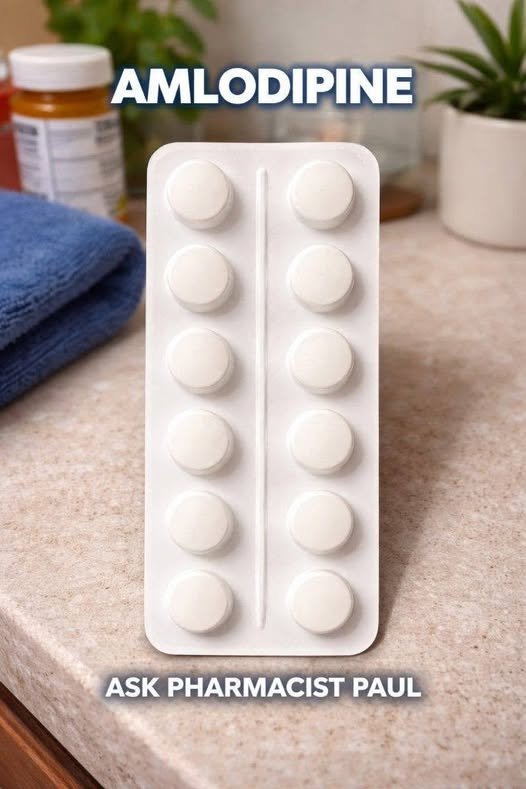
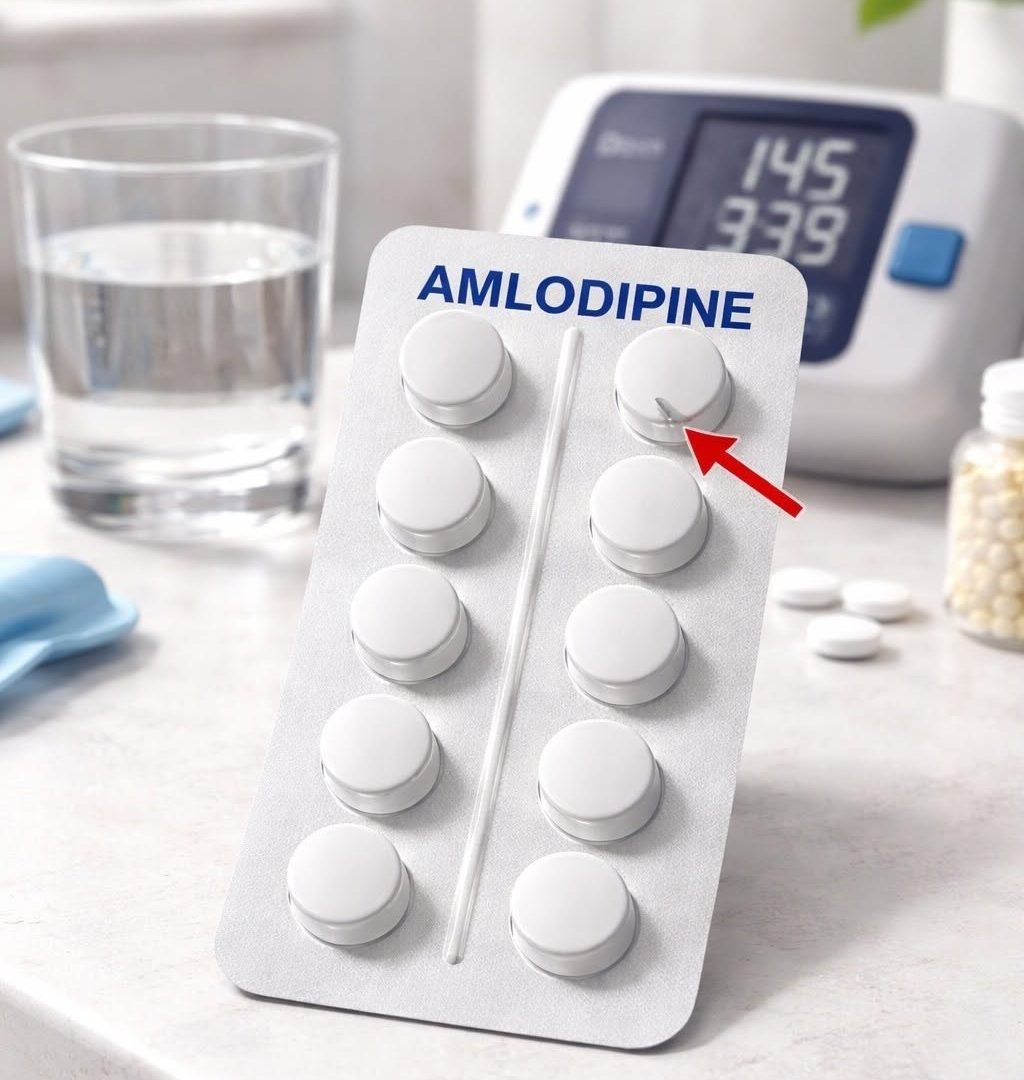
Amlodipine is one of the most widely prescribed medications in the world. It belongs to a class of drugs known as calcium channel blockers, and it is a first-line defense against hypertension and angina. For millions of people, a small, unassuming tablet taken once a day is the difference between a stable cardiovascular system and the looming threat of a stroke or heart attack. The blister pack in the image—a grid of identical white pills—represents a daily ritual of safety and control.
However, taking a medication is not a passive act. It is a dynamic partnership between the patient, the drug, and the environment. Amlodipine works by relaxing the blood vessels, allowing blood to flow more freely and reducing the workload on the heart. But this mechanism of action creates a cascade of physiological changes that can be influenced—sometimes dangerously—by the habits and choices you make every day.
Many people assume that once they have a prescription, they can continue their lifestyle exactly as before. This is a dangerous misconception. Certain habits, from what you eat and drink to how you manage pain and stress, can interfere with amlodipine’s effectiveness, amplify its side effects, or even cause serious harm.
This comprehensive guide will explore the eight habits you should seriously consider stopping this year if you are taking amlodipine. We will delve into the science behind each interaction, explaining exactly why these habits are problematic and what you can do instead. By understanding the “why,” you can transform your approach to your health from passive compliance to active, informed management.