7 Compelling Reasons Why You Should Eat at Least One Egg a Day
3. Promoting Eye Health with Lutein and Zeaxanthin
The eyes are delicate, complex organs that require specific nutrients to protect them from the damaging effects of light and aging. The egg yolk contains two powerful antioxidants—lutein and zeaxanthin—that specifically concentrate in the retina of the eye.
The Macular Pigment
The macula is the small central area of the retina responsible for sharp, detailed vision. Over time, exposure to blue light and oxidative stress can damage the macula, leading to age-related macular degeneration (AMD), the leading cause of blindness in older adults. Lutein and zeaxanthin act as a natural sunscreen, filtering out harmful blue light and neutralizing free radicals in the retina.
High Bioavailability in Eggs
While leafy greens like spinach and kale also contain lutein and zeaxanthin, the form found in eggs is significantly more bioavailable. Because lutein and zeaxanthin are fat-soluble, the fats naturally present in the egg yolk enhance their absorption in the body. Studies have shown that adding eggs to a salad significantly increases the absorption of the carotenoids from the vegetables.
Protecting Against Cataracts
Beyond macular degeneration, the antioxidant properties of lutein and zeaxanthin also play a role in preventing cataracts. By protecting the lens of the eye from oxidative damage, a daily egg can help maintain clear vision well into old age.
4. Debunking the Cholesterol Myth and Supporting Heart Health
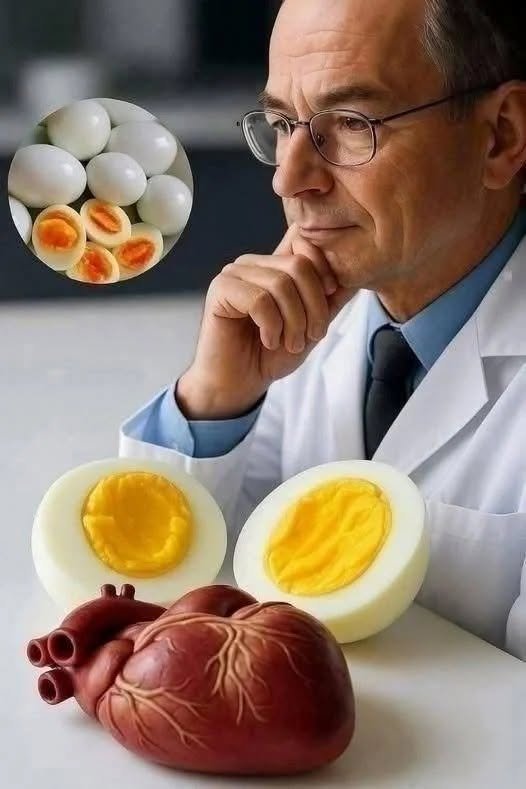
No discussion about eggs is complete without addressing cholesterol. For decades, the medical establishment advised people to limit egg consumption because a single egg contains about 186 milligrams of dietary cholesterol. It was believed that eating cholesterol directly translated to higher blood cholesterol. Modern science has proven this theory wrong.
Dietary Cholesterol vs. Blood Cholesterol
The liver produces the vast majority of the cholesterol in your body. When you consume dietary cholesterol from eggs, your liver simply produces less of it to maintain a balance. For the majority of people (about 70%), eating eggs does not raise their total or LDL (bad) cholesterol levels.
The Good News: Raising HDL
While eggs may not raise LDL cholesterol, they are known to increase High-Density Lipoprotein (HDL) cholesterol. HDL is known as the “good” cholesterol because it helps clear LDL cholesterol from the arteries and transport it back to the liver for disposal. Higher HDL levels are strongly associated with a reduced risk of heart disease.
The LDL Particle Size
Furthermore, research indicates that when eating eggs does cause an increase in LDL, it often shifts the particles from small, dense LDL to large, buoyant LDL. Small, dense LDL particles are highly atherogenic (likely to cause plaque), while large LDL particles are much less harmful. Therefore, the consumption of eggs actually shifts the lipid profile in a more favorable direction for cardiovascular health.
5. A Treasure Trove of Essential Vitamins and Minerals
The egg is often referred to as nature’s multivitamin, and for good reason. It contains a remarkably diverse array of vitamins and minerals in a highly digestible package.
Vitamin D
Eggs are one of the few natural food sources of Vitamin D. Along with sunlight exposure, eating eggs can help you maintain healthy Vitamin D levels. This vitamin is critical for calcium absorption, bone health, and immune function.
B Vitamins
Eggs are rich in several B vitamins, including Vitamin B12, Vitamin B2 (riboflavin), and Vitamin B9 (folate). These vitamins are essential for energy production, red blood cell formation, and the proper functioning of the nervous system. A deficiency in Vitamin B12, which is common in older adults, can lead to fatigue, weakness, and nerve damage.
Selenium and Iodine
Selenium is a crucial mineral involved in thyroid function, immune response, and DNA repair. Iodine is necessary for the production of thyroid hormones, which regulate metabolism. Eggs are an excellent source of both of these vital minerals.
6. Supporting the Immune System
A healthy immune system is your best defense against illness, and the nutrients found in eggs provide significant support for immune function.
The Role of Selenium and Zinc
Eggs contain both selenium and zinc, two trace minerals that are critical for a robust immune response. Zinc is involved in the development and activation of immune cells, while selenium helps to reduce oxidative stress and inflammation in the body.
Vitamin A and Vitamin D
Vitamin A, also found in the egg yolk, is essential for maintaining the health of the mucosal barriers that line your respiratory and digestive tracts—the body’s first line of defense against pathogens. As mentioned earlier, Vitamin D plays a crucial role in modulating the immune response and preventing excessive inflammation.
7. Incredible Affordability and Culinary Versatility
Finally, the egg stands out not just for its nutritional profile, but for its absolute accessibility. In a world where healthy eating is often associated with high costs, eggs remain one of the most affordable sources of high-quality protein.
Budget-Friendly Nutrition
Compared to meat, poultry, and fish, eggs offer significantly more nutritional value per dollar. A dozen eggs can provide a family with substantial, nutrient-dense meals for a fraction of the cost of other protein sources.
Endless Culinary Possibilities
The versatility of the egg is unmatched. It can be the star of the show in an omelet or a frittata, or it can be a silent binder in baked goods. You can enjoy them hard-boiled as a convenient snack, poached over a salad, or scrambled with vegetables. They are culturally universal, featured prominently in cuisines around the world, from a simple Asian egg drop soup to a complex French soufflé.