12 Weird Diabetes Skin Signs You Should Know—Some May Surprise You
The first four skin signs are often the most visual and can be easily recognized if you know what to look for.
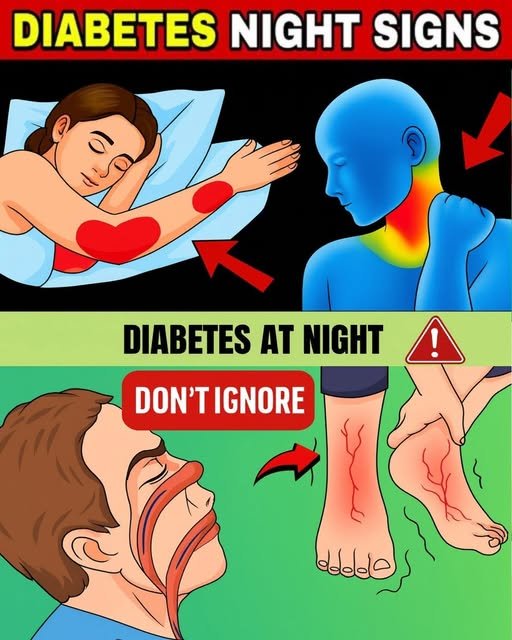
1. Acanthosis Nigricans: This is the most famous of all diabetes skin signs, and it is the one shown in the image. It appears as a dark, thick, velvety patch of skin, most commonly on the back of the neck, the armpits, the groin, or the elbows. It is a direct result of high levels of insulin in the blood. When insulin levels are chronically high—a condition known as hyperinsulinemia—it stimulates the growth of skin cells, leading to this darkened appearance. It is often a precursor to type 2 diabetes.
2. Skin Tags: These small, benign growths of skin often appear in the same areas as Acanthosis Nigricans, such as the neck and armpits. While skin tags are common in many people, a sudden eruption of numerous skin tags, particularly in conjunction with dark patches, can be a sign of insulin resistance.
3. Slow-Healing Wounds: If you notice that a small cut, scrape, or blister is taking an unusually long time to heal, it could be a sign of high blood sugar. Diabetes affects circulation and the body’s ability to repair tissue, leading to slow healing and an increased risk of infection.
4. Frequent Skin Infections: High blood sugar creates an environment that is conducive to the growth of bacteria and fungi. People with undiagnosed diabetes may experience frequent bouts of athlete’s foot, ringworm, or bacterial infections like boils and styes. If you are getting infections more often than usual, it is a red flag worth investigating.