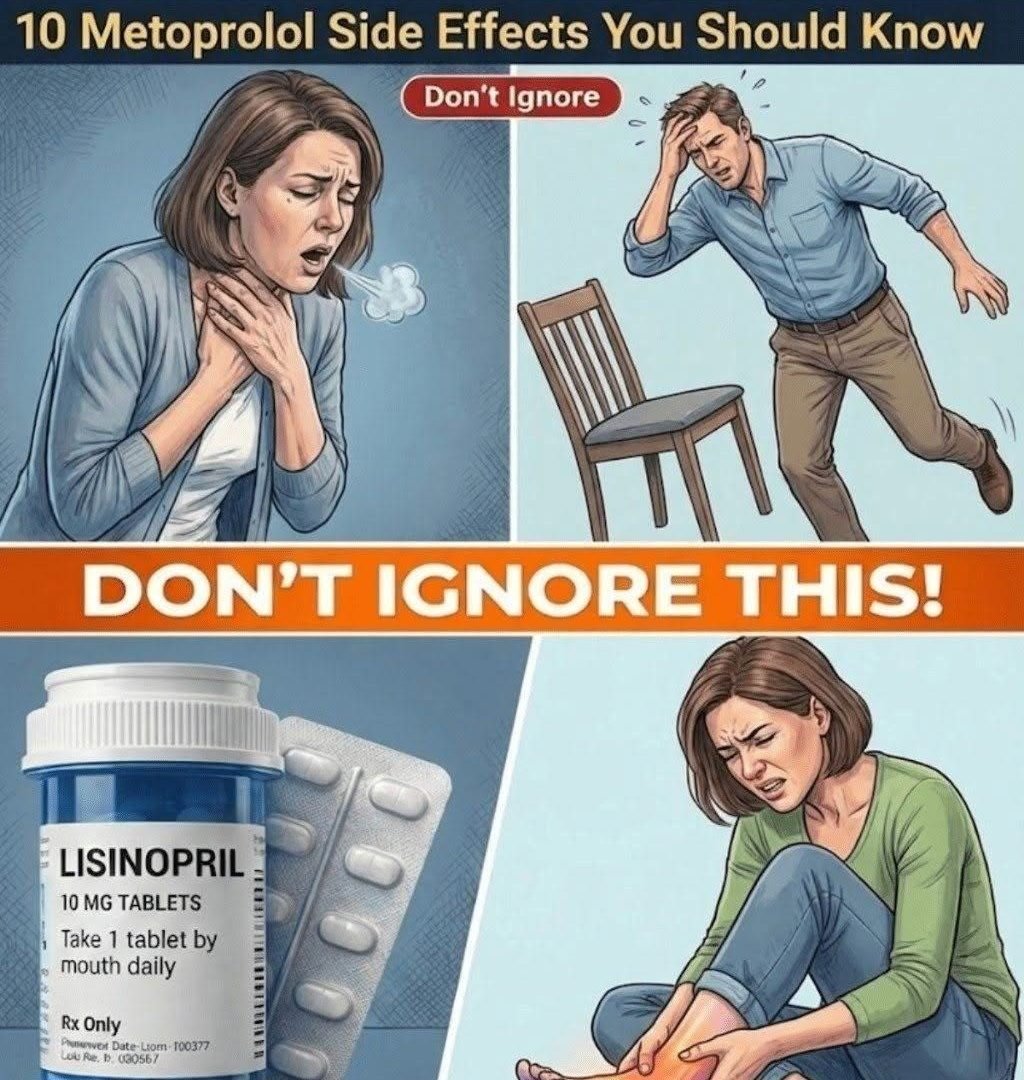
1. Fatigue and Weakness Feeling unusually tired or weak is one of the most common complaints. This happens because the medication slows your heart rate, which can reduce blood flow to the muscles. While some tiredness is expected, persistent fatigue that interferes with daily life should be discussed with your doctor.
2. Dizziness and Lightheadedness Metoprolol lowers blood pressure, which can cause dizziness, especially when you stand up quickly. This is known as orthostatic hypotension. To minimize this, try standing up slowly and avoid sudden movements. If dizziness is severe or persistent, contact your doctor.
3. Slow Heart Rate (Bradycardia) Since metoprolol is designed to slow the heart, a slower heart rate is expected. However, if your heart rate drops too low, it can cause symptoms like fainting, extreme weakness, or confusion. Your doctor will monitor your heart rate to ensure it stays within a safe range.
4. Cold Hands and Feet Beta-blockers can reduce blood flow to the extremities, leading to cold hands and feet. This is usually a minor side effect, but if it becomes uncomfortable or if you notice color changes in your fingers or toes, let your doctor know.
5. Shortness of Breath Metoprolol can affect the airways, potentially causing shortness of breath or wheezing, particularly in people with asthma or COPD. If you have a history of breathing problems, your doctor may prescribe a different medication or monitor you closely.
6. Depression or Mood Changes Some people experience mood changes, including depression, anxiety, or confusion, while taking metoprolol. If you notice persistent sadness or changes in your mood, it is important to talk to your doctor.
7. Nausea, Diarrhea, or Constipation Digestive issues are common with many medications. Metoprolol can cause nausea, stomach upset, diarrhea, or constipation. Taking the medication with food may help reduce these symptoms.
8. Sleep Problems Insomnia, vivid dreams, or nightmares can occur. If sleep disturbances are affecting your quality of life, discuss this with your healthcare provider.
9. Sexual Dysfunction Beta-blockers can cause sexual dysfunction, including decreased libido, erectile dysfunction, or difficulty achieving orgasm. This can be a sensitive topic, but it is important to discuss with your doctor, as there may be alternatives.
10. Masking Symptoms of Low Blood Sugar If you have diabetes, metoprolol can mask the symptoms of hypoglycemia (low blood sugar), such as rapid heartbeat. This can make it harder to recognize when your blood sugar is dropping. Monitor your blood sugar regularly and inform your doctor if you have diabetes.
What to Watch For
While most side effects are mild and improve over time, some require immediate medical attention. Seek emergency care if you experience:
Severe dizziness or fainting
Very slow or irregular heartbeat
Difficulty breathing
Signs of an allergic reaction (rash, swelling, trouble breathing)
Sudden weight gain or swelling in the legs
Important Tips
Never stop taking metoprolol suddenly. Doing so can cause serious heart problems. Always consult your doctor before making changes.
Take it as prescribed. Metoprolol is usually taken once or twice daily, with or without food. Follow your doctor’s instructions carefully.
Keep regular appointments. Your doctor will monitor your blood pressure, heart rate, and overall health while you are on this medication.
Final Thoughts
Metoprolol is a valuable medication for managing heart conditions, but it is not without side effects. By knowing what to watch for and communicating openly with your healthcare provider, you can manage your treatment safely and effectively. If you have any concerns about your medication, do not hesitate to reach out to your doctor or pharmacist.