The Science of Sleeping Naked: How Sleeping Without Clothes Impacts Your Body and Health
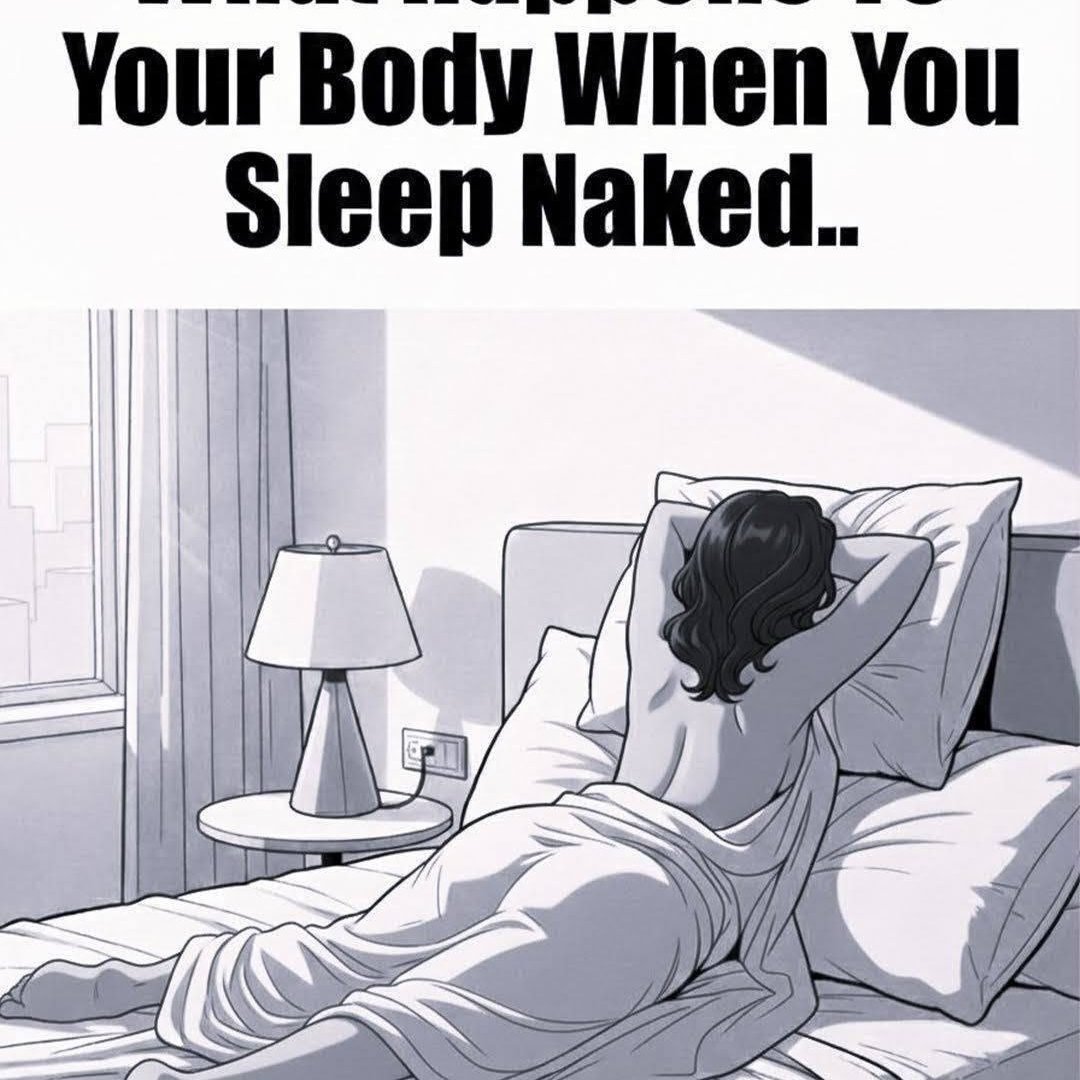
The debate over what to wear to bed has been a topic of personal preference for generations. Some people swear by cozy flannel pajamas, while others prefer lightweight shorts and a t-shirt. But in recent years, a growing trend has captured the curiosity of the internet: sleeping completely naked. A viral social media post featuring an illustration of a woman resting in bed with the caption “What Happens To Your Body When You Sleep Naked…” has sparked widespread discussion about the potential physiological and psychological effects of shedding your sleepwear.
For many, the idea of sleeping naked feels freeing, comfortable, and intimate. For others, it raises questions about hygiene, temperature control, and whether it actually offers any real health benefits. The truth is that sleeping without clothes is not just a matter of comfort; it intersects directly with the body’s complex systems, including thermoregulation, dermatology, reproductive health, and even psychology.
The human body is designed to function optimally under specific environmental conditions. When we sleep, our internal systems undergo a series of critical maintenance tasks, from cellular repair to hormone regulation. The clothing we wear—or choose not to wear—can either support or hinder these processes. By removing the barrier of clothing, the body is better equipped to regulate its temperature, allowing for deeper, more restorative sleep. Furthermore, the skin, which is the body’s largest organ, benefits from the ability to breathe freely.
This comprehensive guide will explore exactly what happens to your body when you sleep naked. We will break down the science of thermoregulation and sleep cycles, examine the dermatological and reproductive benefits, explore the psychological impact on body image and relationships, discuss the potential drawbacks and hygiene considerations, and provide practical advice for creating the ideal naked sleep environment.
The Science of Thermoregulation: Why Cooler Is Better for Sleep
To understand why sleeping naked might be beneficial, it is essential to grasp the intricate relationship between core body temperature and sleep. The human body operates on a circadian rhythm, an internal 24-hour clock that regulates the sleep-wake cycle. A critical component of this rhythm is the daily fluctuation of core temperature.
The Core Temperature Drop
In the evening, as bedtime approaches, the body naturally begins to lose heat, causing the core temperature to drop by about 1 to 2 degrees Fahrenheit. This cooling process is a biological signal that it is time to sleep. The faster you cool off, the faster you typically fall asleep. The ideal bedroom temperature for optimal sleep is generally recommended to be between 60 and 67 degrees Fahrenheit (15.5 to 19.4 degrees Celsius).
When you wear heavy pajamas, you may trap heat against your body, interfering with this natural cooling process. This can delay sleep onset, cause tossing and turning, and lead to fragmented sleep. Sleeping naked removes this barrier. It allows for maximum heat dissipation through the skin, facilitating the drop in core temperature necessary for sleep initiation.
The Role of Vasodilation
To release heat, the body uses a process called vasodilation, where the blood vessels near the surface of the skin widen to allow more blood flow to the extremities. This is why your hands and feet may feel warm before you fall asleep. Sleeping naked, especially in a cool room, supports this process. As the body cycles through different sleep stages, core temperature continues to fluctuate. Sleeping without clothes, combined with the ability to easily throw blankets on or off, provides a simple, adjustable method for maintaining thermal comfort throughout the night.
Impact on Sleep Architecture
Sleep is composed of multiple cycles, including light sleep, deep sleep (slow-wave sleep), and rapid eye movement (REM) sleep. Deep sleep is critical for physical restoration, tissue repair, and immune function. Research indicates that being too hot or too cold disrupts these sleep stages, leading to fragmented rest and reduced time spent in restorative sleep. By preventing pajama-induced overheating, sleeping naked can contribute to a more stable sleep environment, allowing you to cycle through the essential stages of sleep with fewer interruptions.
Dermatological Benefits: Skin Health and the Microbiome
The skin is the body’s largest organ, and it plays a crucial role in thermoregulation, waste elimination, and protection against pathogens. When you sleep, your skin undergoes repair and regeneration.
The Importance of Airflow
Wearing tight, non-breathable clothing to bed can trap sweat, sebum (oil), and dead skin cells against the skin’s surface. This creates a warm, moist environment that is ideal for microbial overgrowth, particularly bacteria and yeast. Sleeping naked allows the skin to breathe freely, facilitating the evaporation of sweat and the shedding of dead cells.
Improved airflow can contribute to a healthier skin environment, particularly in areas prone to chafing or heat rash. For individuals with sensitive skin or conditions like eczema, sleeping without restrictive clothing can reduce friction and irritation, allowing the skin barrier to recover overnight.
Reducing the Risk of Folliculitis and Acne Mechanica
Friction from tight clothing can irritate hair follicles, leading to a condition called folliculitis, which appears as small, red bumps on the skin. Similarly, acne mechanica is a type of acne caused by friction and pressure from clothing, often occurring on the back, shoulders, and buttocks. By removing clothing, you eliminate the primary cause of this friction, reducing the likelihood of these skin irritations.
Reproductive Health: The Gynecological and Urological Perspectives
Sleeping naked can have specific benefits for the delicate microbiome of the reproductive organs. For both men and women, the restriction of airflow caused by tight undergarments can create an environment that is conducive to unwanted microbial growth.
Vaginal Health and Yeast Infections
The vagina is a self-cleaning organ with a delicate balance of bacteria and yeast, primarily Lactobacillus species, which maintain an acidic pH to prevent the overgrowth of pathogens. Wearing tight-fitting underwear or synthetic pajama bottoms can trap heat and moisture, creating a breeding ground for Candida, the fungus responsible for yeast infections.
By sleeping naked, you allow for optimal air circulation around the vulva and perineum. This helps keep the area dry and prevents the overgrowth of yeast and bacteria that thrive in damp conditions. Gynecologists often recommend sleeping without underwear to patients prone to recurrent yeast infections or bacterial vaginosis as a simple, non-pharmacological preventative measure.
Male Reproductive Health and Sperm Quality
For men, the testicles are located outside the body cavity for a reason: sperm production (spermatogenesis) requires a temperature slightly cooler than the core body temperature—typically about 2 to 3 degrees Celsius lower. Tight underwear, especially synthetic materials, can raise the temperature of the scrotum, potentially impairing sperm production and lowering sperm count.
Studies have shown that men who wear tight underwear have lower sperm counts compared to those who wear looser boxers. Sleeping naked overnight allows the scrotal temperature to remain cooler, creating a more favorable environment for healthy sperm production and vitality. Furthermore, the improved sleep quality that often accompanies sleeping naked can support healthy testosterone production, as testosterone is primarily secreted during deep sleep.
The Psychological and Relational Aspects
The benefits of sleeping naked extend beyond the physical body, touching on mental well-being and interpersonal relationships.
Body Image and Self-Esteem
The psychological impact of sleeping naked is often overlooked but can be profound. In a culture that often promotes body shame and unrealistic physical ideals, spending time in your natural state can be an act of self-acceptance. Some research suggests that individuals who spend more time naked report greater life satisfaction, a more positive body image, and higher self-esteem. Sleeping naked can serve as a form of gentle exposure therapy, helping individuals become more comfortable in their own skin and fostering a healthier relationship with their bodies.
Enhancing Intimacy and Connection
For couples, the benefits of sleeping naked are direct and powerful. Skin-to-skin contact triggers the release of oxytocin, often called the “bonding hormone” or “cuddle hormone.” Oxytocin promotes feelings of intimacy, trust, and emotional connection. Couples who sleep naked are more likely to experience spontaneous physical touch during the night, which can strengthen their bond and potentially lead to a more fulfilling sexual relationship. This physical closeness can also reduce stress and promote a sense of security, further enhancing sleep quality for both partners.
Metabolic Effects: Activating Brown Fat
One of the more intriguing scientific findings related to cooler sleep involves brown adipose tissue (BAT), commonly known as brown fat. Unlike white fat, which stores energy, brown fat is metabolically active and burns calories to generate heat, a process known as thermogenesis.
Studies have shown that sleeping in a cooler environment can activate and even increase the volume of brown fat. When you sleep naked in a cool room, your body must work slightly harder to maintain its core temperature, potentially stimulating brown fat activity and burning more calories overnight. While this is not a weight-loss miracle—it is not a substitute for a healthy diet and exercise—it suggests a subtle metabolic advantage to cooler sleeping conditions.
The Potential Drawbacks: Hygiene and Temperature Challenges
Despite the potential benefits, sleeping naked is not without its considerations. It is essential to weigh the advantages against practical and hygiene-related factors.
Hygiene and Bedding Maintenance
The most significant downside to sleeping naked is the increased direct contact between your body and your bedding. Your body sheds millions of skin cells, secretes sweat, and releases natural oils every night. When you sleep naked, all of these substances are deposited directly onto your sheets and mattress.
If you choose to sleep naked, you must commit to washing your sheets more frequently—ideally once a week in hot water—to prevent the buildup of bacteria, allergens, and dust mites. For individuals with sensitive skin, allergies, or conditions like eczema or psoriasis, this direct contact with potential irritants can cause flare-ups.
Temperature Regulation Challenges
While sleeping naked helps you cool down, it can also make you more vulnerable to becoming too cold. If your bedroom is drafty or the ambient temperature is very low, sleeping without clothes can lead to shivering, which disrupts sleep. This is particularly important for older adults or individuals with poor circulation. It is always wise to have a light blanket or a robe nearby in case the temperature drops during the night.
Specific Health Conditions
Individuals with certain medical conditions should exercise caution. For example, people with incontinence or those recovering from certain surgeries may need protective garments. Women with active vaginal infections or men with active skin infections in the genital area should consult a doctor before sleeping naked to avoid exacerbating the condition or spreading bacteria to bedding.
Creating the Ideal Naked Sleep Environment
If you are ready to embrace the naked sleep trend, you need to optimize your bedroom for safety, comfort, and hygiene. Here is a checklist for creating the perfect environment:
Temperature Control: Set your thermostat to a comfortable, cool range, typically between 60 and 67 degrees Fahrenheit (15.5 to 19.4 degrees Celsius). This prevents overheating while ensuring you are not too cold.
Bedding Materials: Choose breathable, natural fabrics for your sheets and blankets, such as cotton, linen, or bamboo. These materials wick moisture away from the skin and feel gentle against bare skin.
Hygiene Routine: Shower before bed to remove the day’s sweat, dirt, and allergens. This ensures your skin is clean when it comes into contact with your sheets.
Frequent Laundering: Wash your bedding weekly in hot water to kill bacteria and dust mites. Consider using a mattress protector that can also be easily washed.
Keep a Robe Nearby: Place a lightweight robe or a pair of loose shorts next to your bed. This is useful for nighttime trips to the bathroom or in case you need to get up quickly.
Conclusion: A Personal Choice with Potential Perks
The decision to sleep naked is ultimately a personal one, guided by individual comfort levels, health status, and lifestyle. The scientific evidence, while not overwhelmingly vast, points toward several plausible benefits. By facilitating a cooler core body temperature, sleeping naked can support faster sleep onset and deeper, more restorative rest. It can promote better genital hygiene by allowing airflow that prevents the overgrowth of yeast and bacteria, and it may create a cooler environment conducive to healthy sperm production. Furthermore, the psychological benefits of improved body image and the hormonal boost of oxytocin from skin-to-skin contact with a partner are compelling reasons to consider shedding the pajamas.
However, these benefits are not without conditions. Sleeping naked requires a higher standard of bedding hygiene, an awareness of room temperature, and a consideration of individual skin or health conditions. It is not a universal cure-all, but for those who find it comfortable and take the necessary precautions, it can be a simple, enjoyable, and potentially health-promoting habit. As with all aspects of wellness, the key is to listen to your body and make a choice that aligns with your personal needs and comfort.
Frequently Asked Questions
Does sleeping naked actually improve sleep quality?
Yes, it can. The body needs to cool down to initiate sleep. Sleeping naked removes the insulating layer of clothing, allowing heat to escape more efficiently. This facilitates a drop in core body temperature, which can help you fall asleep faster and experience more restful sleep.
Is sleeping naked good for vaginal health?
It can be beneficial for many women. Tight underwear traps heat and moisture, creating an environment where yeast and bacteria thrive. Sleeping naked allows for optimal air circulation, keeping the area dry and reducing the risk of yeast infections and bacterial vaginosis.
Can sleeping naked increase sperm count?
There is evidence to suggest it may help. Sperm production requires a temperature slightly cooler than the core body temperature. Sleeping naked prevents the scrotum from overheating, which can improve sperm quality and vitality.
Does sleeping naked help with weight loss?
There is a possible, though indirect, link. Sleeping in a cool environment can activate brown fat, which burns calories to generate heat. While it is not a replacement for diet and exercise, it may provide a slight metabolic boost.
What are the hygiene risks of sleeping naked?
The main risk is increased contact between bodily fluids, sweat, and bacteria with your bedding. You should wash your sheets more frequently—at least once a week—to prevent the buildup of allergens and microbes. People with sensitive skin or allergies should be cautious.
Is it safe to sleep naked if I have a skin condition?
If you have a condition like eczema or psoriasis, direct contact with bedding can sometimes cause irritation. However, breathable cotton sheets can be gentle. It is best to consult a dermatologist. If you have an active, contagious skin infection, you should avoid sleeping naked.
Can sleeping naked improve my relationship?
Yes, it can enhance intimacy. Skin-to-skin contact releases oxytocin, a hormone that promotes bonding, trust, and affection. Couples who sleep naked often report feeling more connected and experience more spontaneous physical touch.
What should I wear to bed if I don’t want to sleep naked?
If you prefer not to sleep naked, choose loose-fitting, breathable pajamas made from natural fibers like cotton or bamboo. Avoid tight synthetic fabrics that trap heat and moisture. The goal is to allow your skin to breathe and your body to regulate its temperature effectively.